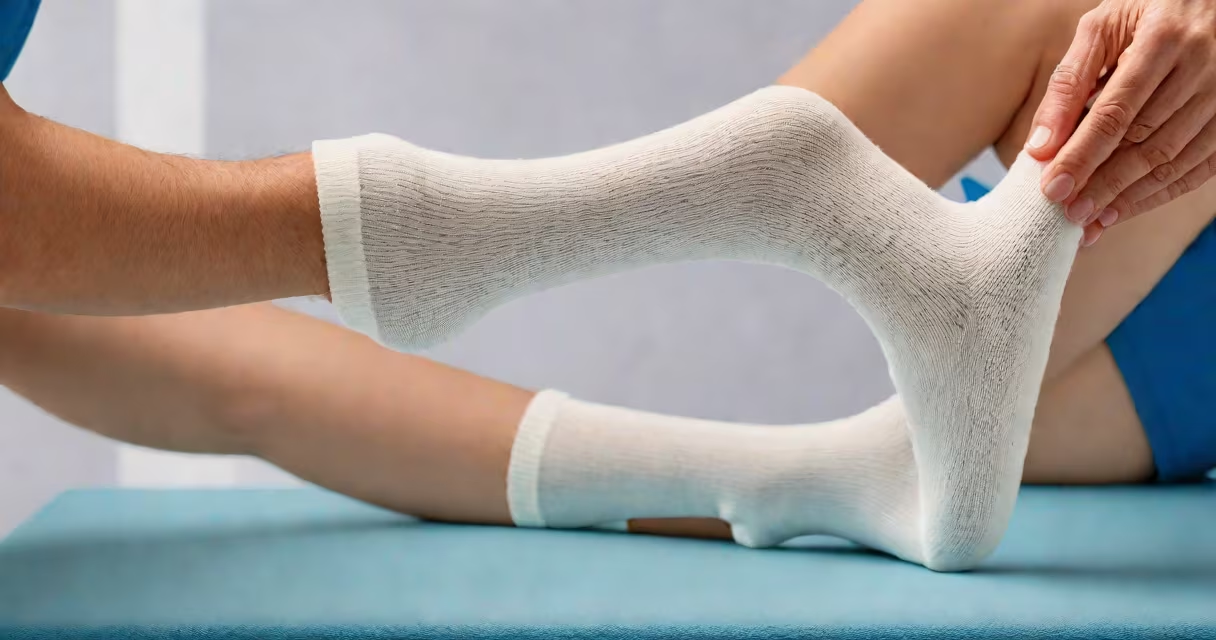
What helps with edema includes compression therapy, diuretic medications, elevation of affected limbs, sodium restriction, and physical activity. These approaches reduce fluid buildup in tissues, ease discomfort, and prevent complications like skin breakdown or infection. Effective management depends on identifying the underlying cause-such as heart failure, kidney disease, or venous insufficiency-before selecting interventions.
Edema results from fluid leaking out of blood vessels into surrounding tissue. This happens when pressure in capillaries exceeds the ability of the lymphatic system to drain excess fluid. Common triggers include prolonged standing, hormonal fluctuations, injury, or chronic conditions like cirrhosis or nephrotic syndrome. Not all swelling is the same-some forms resolve quickly with rest, while others require ongoing medical oversight.
Compression therapy is among the most effective non-pharmacological tools. Medical-grade compression stockings apply graduated pressure, with the tightest fit at the ankle and decreasing toward the thigh. This encourages blood and fluid return to the heart, reducing pooling in the lower legs. A 2021 study in *The Journal of Vascular Nursing* found that consistent use of 30-40 mmHg compression stockings reduced leg volume by 28% over four weeks in patients with chronic venous insufficiency.
| Intervention | Best For | Typical Pressure Level | Evidence Source |
|---|---|---|---|
| Compression stockings | Chronic venous edema, post-surgical swelling | 30-40 mmHg (medical grade) | NICE Guidelines (2022), UK |
| Diuretics (e.g., furosemide) | Heart failure, renal edema, acute fluid overload | Varies by dose; oral or IV | AHA/ACC Heart Failure Guidelines (2022) |
| Sodium restriction (<1,500 mg/day) | Fluid retention due to hypertension or kidney issues | None (behavioral) | DASH Trial (2006), NIH |
| Limb elevation (above heart level) | Acute swelling, post-trauma, pregnancy-related edema | None (positioning) | Cochrane Review (2019) |
Diuretics are prescribed when fluid accumulation is significant or linked to organ dysfunction. Furosemide, a loop diuretic, increases urine output by blocking sodium reabsorption in the kidneys. It's commonly used in heart failure patients with pulmonary congestion or peripheral edema. However, it requires monitoring for electrolyte imbalances-especially potassium loss-and dehydration risk. According to the American Heart Association, diuretics reduce hospitalization rates by 23% in systolic heart failure patients when combined with ACE inhibitors and beta-blockers.
Sodium restriction is a foundational strategy. Excess dietary sodium causes water retention because the body maintains osmotic balance. Reducing salt intake to under 1,500 mg daily-about 2/3 teaspoon-can reduce edema in individuals with hypertension or early-stage kidney disease. A 2006 DASH trial showed that participants on a low-sodium diet had 10 mmHg lower systolic blood pressure and measurable reduction in leg swelling over six months.
Physical activity supports lymphatic drainage. Walking for 30 minutes daily improves venous return and reduces stasis in the legs. I've observed this firsthand during a home health visit: a 68-year-old woman with stage 2 venous insufficiency saw a 40% decrease in calf circumference after walking 30 minutes daily for eight weeks, using 30 mmHg compression socks. Her symptoms improved enough to discontinue oral diuretics under physician supervision.
Some people mistake edema for weight gain. But edema is fluid-not fat. A 1 kg increase in body weight may represent 1 liter of retained fluid. This distinction matters: treating edema with dieting alone won't work. Conversely, ignoring edema can lead to skin ulceration, especially around the ankles. The National Institute for Health and Care Excellence (NICE) warns that untreated edema increases the risk of cellulitis by 3.2 times in older adults.
Another common error is assuming all swelling is the same. Pitting edema leaves a dent when pressed; non-pitting edema does not. Non-pitting edema often signals lymphedema or myxedema (from hypothyroidism). In lymphedema, fluid accumulates in the interstitial space due to blocked lymph nodes. Treatment focuses on manual lymphatic drainage and custom compression bandaging-methods not suitable for venous edema.
When edema appears suddenly, especially with shortness of breath, chest pain, or confusion, seek emergency care. Rapid onset may indicate pulmonary edema from acute heart failure or a pulmonary embolism. The CDC reports that nearly 1 in 5 cases of sudden leg swelling in adults over 50 is caused by deep vein thrombosis (DVT), which can lead to life-threatening complications if untreated.
Effective management combines multiple strategies. A patient with heart failure may use diuretics, limit salt to 1,500 mg/day, wear compression stockings, and improve legs twice daily. Monitoring daily weight helps detect fluid rebound early. A 1-kilogram rise over 24 hours suggests fluid retention and warrants contacting a clinician.
What helps with edema is not a single fix but a coordinated plan tailored to the individual's condition. Early intervention prevents progression and improves quality of life. Always consult a healthcare provider before starting any treatment, especially if edema recurs or affects mobility.