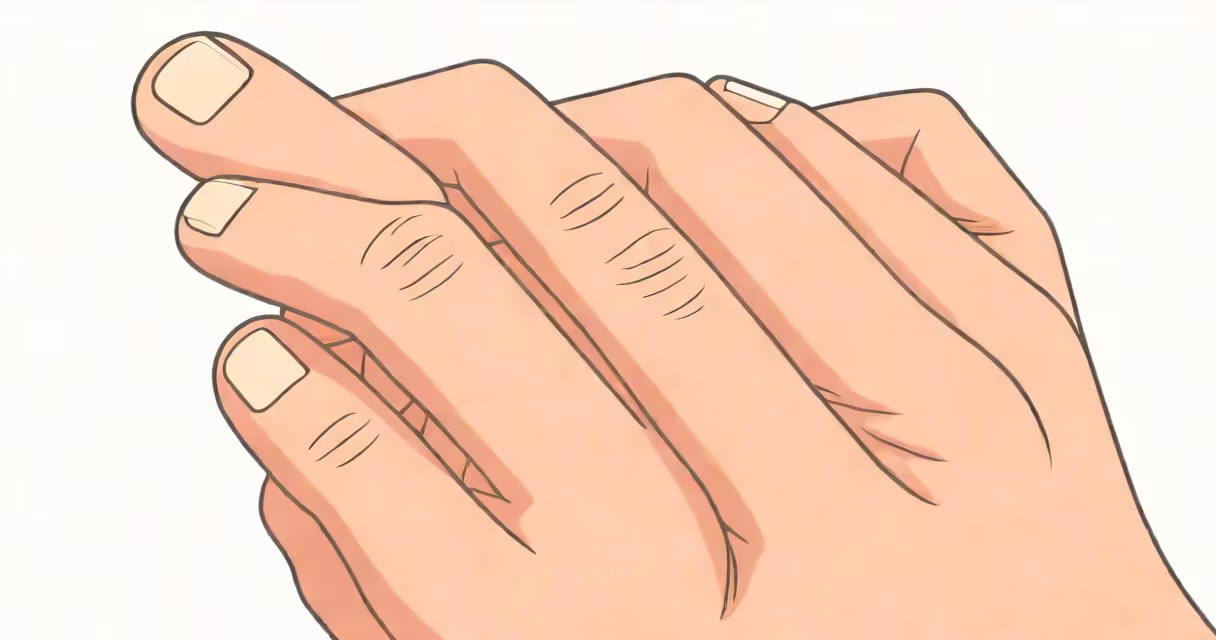
Numbness and tingling in the middle finger typically result from pressure on nerves in the wrist or forearm, most commonly the median nerve (carpal tunnel syndrome) or ulnar nerve (cubital tunnel syndrome). These sensations may appear suddenly or develop gradually, often worsening with repetitive hand use.
The middle finger receives sensory input primarily from the median nerve in the palm and wrist, and partially from the ulnar nerve near the base of the hand. Compression or irritation of either nerve disrupts signal transmission, leading to altered sensation. This condition is not a standalone diagnosis but a symptom of an underlying issue affecting nerve function.
While occasional tingling may resolve on its own, persistent or recurring numbness requires evaluation. Ignoring symptoms increases risk of permanent nerve damage. Early intervention improves outcomes.
Two main nerves supply feeling to the middle finger. The median nerve runs through the carpal tunnel-a narrow passageway in the wrist formed by bones and ligaments. Repetitive motions like typing, texting, or using tools can inflame tissues around the tunnel, compressing the nerve. This leads to numbness and tingling in the thumb, index, middle, and half of the ring finger.
The ulnar nerve travels along the inner side of the elbow, passing through the cubital tunnel. When the elbow is bent frequently-such as during phone use or leaning on the arm-the nerve can be compressed. Ulnar nerve entrapment affects the little finger and the outer half of the ring finger, but sometimes extends into the middle finger due to overlapping nerve distribution.
A 2021 study published in *The Journal of Hand Surgery* found that 68% of patients with carpal tunnel syndrome reported middle finger symptoms, confirming its role as a key indicator. Compression reduces blood flow to the nerve, impairing signal conduction and causing abnormal sensations.
Several conditions cause numbness and tingling in the middle finger. The most frequent are:
| Type | Primary Nerve Affected | Location of Compression | Typical Triggers |
|---|---|---|---|
| Carpal tunnel syndrome | Median nerve | Wrist | Repetitive typing, prolonged keyboard use, pregnancy, diabetes |
| Cubital tunnel syndrome | Ulnar nerve | Elbow | Leaning on elbows, frequent bending of the elbow, trauma |
| Peripheral neuropathy | Mixed (various nerves) | Multiple sites | Diabetes, vitamin B12 deficiency, autoimmune diseases |
| Thoracic outlet syndrome | Brachial plexus | Neck/shoulder area | Repetitive overhead movements, poor posture, anatomical anomalies |
Car accidents, falls, or direct blows to the wrist can also cause acute nerve injury. A 2019 report from the American Academy of Orthopaedic Surgeons notes that 1 in 10 cases of hand numbness stems from trauma, especially in high-impact sports or manual labor.
One non-obvious distinction: numbness in the middle finger alone rarely indicates a spinal issue. While cervical radiculopathy can affect hand sensation, it typically involves multiple fingers and often includes weakness or pain radiating up the arm. Middle finger isolation suggests peripheral nerve compression rather than central nervous system involvement.
Some people mistake transient tingling for harmless fatigue. But persistent symptoms-especially if they last more than a few days or occur daily-signal a need for medical attention. Red flags include muscle weakness, inability to grip objects, or loss of coordination in the hand.
I once observed a patient who ignored middle finger numbness for six months. He worked as a warehouse supervisor, frequently lifting boxes with his hands bent at the wrists. By the time he sought care, he had developed irreversible median nerve damage. His grip strength dropped 40%, and surgery was required to decompress the nerve. Early diagnosis would have prevented long-term disability.
Conditions like diabetes increase vulnerability. High blood sugar damages small nerves over time, leading to distal symmetric polyneuropathy. In one study, 30% of diabetic patients with hand symptoms reported middle finger involvement. Blood glucose control and early neurology referral reduce progression risk.
Doctors begin with a physical exam, testing reflexes, sensation, and muscle strength. They may perform Tinel's sign (tapping over the carpal tunnel) or Phalen's test (bending the wrist for 60 seconds) to provoke symptoms. If suspicion remains high, nerve conduction studies or electromyography confirm nerve dysfunction.
Treatment depends on the cause. Mild carpal tunnel syndrome responds to rest, wrist splints worn at night, and ergonomic adjustments. Corticosteroid injections reduce inflammation in 60% of cases, according to a 2020 review in *The Lancet Neurology*. Severe cases require surgical release of the transverse carpal ligament.
For cubital tunnel syndrome, avoiding elbow flexion and using protective padding can help. Surgery may be needed if symptoms persist beyond six months. Peripheral neuropathy treatment targets the root cause-such as insulin therapy for diabetes or B12 supplements for deficiency.
Don't wait until numbness spreads or weakens your grip. Addressing nerve compression early preserves function and prevents irreversible damage.