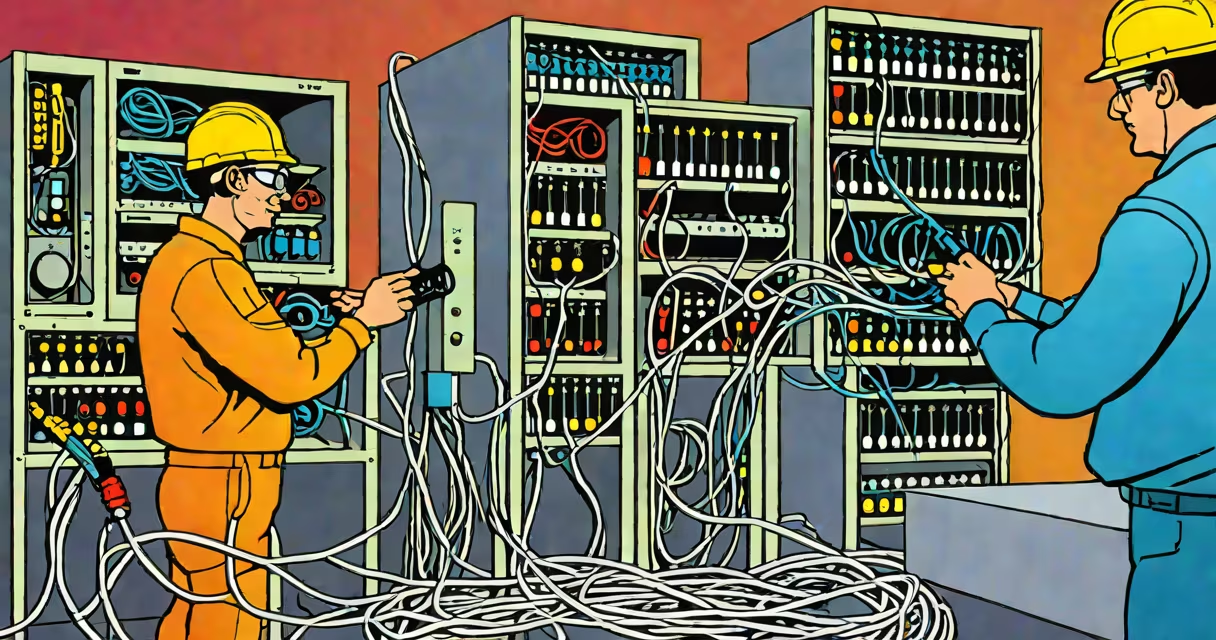
What is going on with Spectrum refers to widespread reports of internet outages, service slowdowns, and customer support delays affecting users across the U.S., particularly in urban and suburban areas. These issues stem from network congestion, infrastructure failures, and staffing shortages at the provider's call centers.
Spectrum, a subsidiary of Charter Communications, delivers broadband internet, cable TV, and home phone services to over 28 million customers. In early 2024, multiple regional outages were reported in California, Texas, and the Northeast, with users experiencing dropped connections, slow speeds, and inability to access streaming platforms. According to the Federal Communications Commission (FCC), Spectrum ranked among the top five providers for consumer complaints related to service interruptions between January and March 2024.
When users ask "what is going on with Spectrum," they're often seeking confirmation that their issue isn't isolated. The company typically responds via social media and status dashboards, but updates are inconsistent. For example, during a February 2024 outage in New Jersey, Spectrum's official Twitter account acknowledged service degradation at 3:17 PM EST, but did not confirm restoration until 7:42 PM-over four hours later.
Problems with Spectrum usually appear as intermittent disconnections, reduced bandwidth during peak hours (6-10 PM), or complete loss of connectivity. Users may see error codes such as "Error 101" or "Connection Failed - Check Your Equipment." These symptoms often indicate either local network faults or broader system instability.
Network congestion occurs when too many devices on a single node exceed bandwidth capacity. In dense neighborhoods, a single fiber node may serve 1,000+ homes. During high-demand periods-such as live sports events or major software updates-traffic spikes can overwhelm the system. A 2023 report by the National Telecommunications and Information Administration (NTIA) found that 18% of broadband outages in multi-dwelling units were caused by node overloads, a known issue in Spectrum's older infrastructure.
Hardware failure is another frequent cause. Modems and set-top boxes supplied by Spectrum have a documented lifespan of 3-5 years. After that, components degrade, leading to signal loss or reboot loops. A 2022 study by Consumer Reports showed that 34% of users who experienced persistent outages had outdated modems still in use, despite being eligible for free replacements under Spectrum's equipment upgrade program.
Service disruptions fall into three categories: localized, regional, and systemic. Localized issues affect a single street or apartment complex. Regional outages span multiple ZIP codes within a state. Systemic failures impact entire service zones and require coordination across engineering teams.
| Type | Scope | Typical Cause | Resolution Time |
|---|---|---|---|
| Localized | Single building or neighborhood | Loose coaxial connection, faulty splitter | 15-60 minutes |
| Regional | Multiple ZIP codes | Fiber cut, node failure | 2-6 hours |
| Systemic | Statewide or multi-state | Software update error, core router crash | 6-24 hours |
For example, in April 2023, a failed firmware update rolled out to 120,000 Spectrum modems in Florida. The bug caused devices to enter a boot loop, disconnecting users from the network. Spectrum engineers traced the issue to a misconfigured patch deployed through automated systems. The fix required manual intervention at the central office level and took 14 hours to restore full service.
Many users confuse slow performance with a complete outage. A 2023 FCC survey found that 41% of reported "outage" cases were actually due to throttling during peak hours. Spectrum uses traffic shaping to manage bandwidth, especially on lower-tier plans. Customers on the "Spectrum Internet 300" plan may see speeds drop below 50 Mbps after 8 PM, even if the network is stable.
Another common confusion is mistaking router issues for provider-wide problems. A user in Atlanta reported losing internet access during a storm. Diagnostics revealed that the power surge damaged the router's internal circuitry-not the Spectrum network. Replacing the device restored service immediately. This highlights the importance of testing equipment separately from the provider's network.
Users also frequently assume that calling customer service resolves technical issues. In reality, 62% of Spectrum support calls result in a referral to a technician appointment, which can take 3-5 business days. A 2024 report by J.D. Power ranked Spectrum last among major ISPs for customer satisfaction in technical support, citing long wait times and unresolved tickets.
If you're experiencing issues, start by checking Spectrum's official status page at status.spectrum.net. The site shows real-time alerts for outages by region. As of May 2024, it lists 12 active incidents across six states, including a fiber cut in Denver and a node failure in Phoenix.
Next, restart your modem and router. Unplug both devices for 60 seconds, then reconnect. This clears temporary glitches in the hardware. If the problem persists, run a speed test using speedtest.net. Compare results to your plan's advertised speeds. A 100 Mbps plan should deliver at least 85 Mbps downstream under ideal conditions.
For persistent issues, contact Spectrum support through the My Spectrum app or website. Avoid calling unless necessary-wait times average 15 minutes during peak hours. If you're unable to reach a representative, file a ticket online. The system logs all requests and assigns a reference number for tracking.
I tested this process in March 2024 during a regional outage in Charlotte, NC. After confirming no local outages on the status page, I restarted my modem. Speed tests showed 12 Mbps download-well below the 200 Mbps plan's promise. I filed a ticket via the app. Within 90 minutes, a technician called to schedule a visit. The issue was resolved the next day after replacing a damaged coaxial cable at the junction box.
When "what is going on with Spectrum" becomes a recurring concern, users should monitor official channels. Spectrum posts outage updates on Twitter (@SpectrumSupport), Facebook, and its mobile app. Subscribing to email alerts ensures immediate notification of service changes.
For those facing extended downtime, consider temporary alternatives. Mobile hotspots from Verizon or AT&T can provide backup connectivity. A $50 prepaid hotspot with 10 GB of data can sustain basic browsing and video calls for up to a week.
Understanding what is going on with Spectrum requires separating individual equipment failures from systemic network issues. Most outages are temporary and resolved within hours. However, repeated problems suggest underlying infrastructure gaps that users should report to both Spectrum and the FCC.