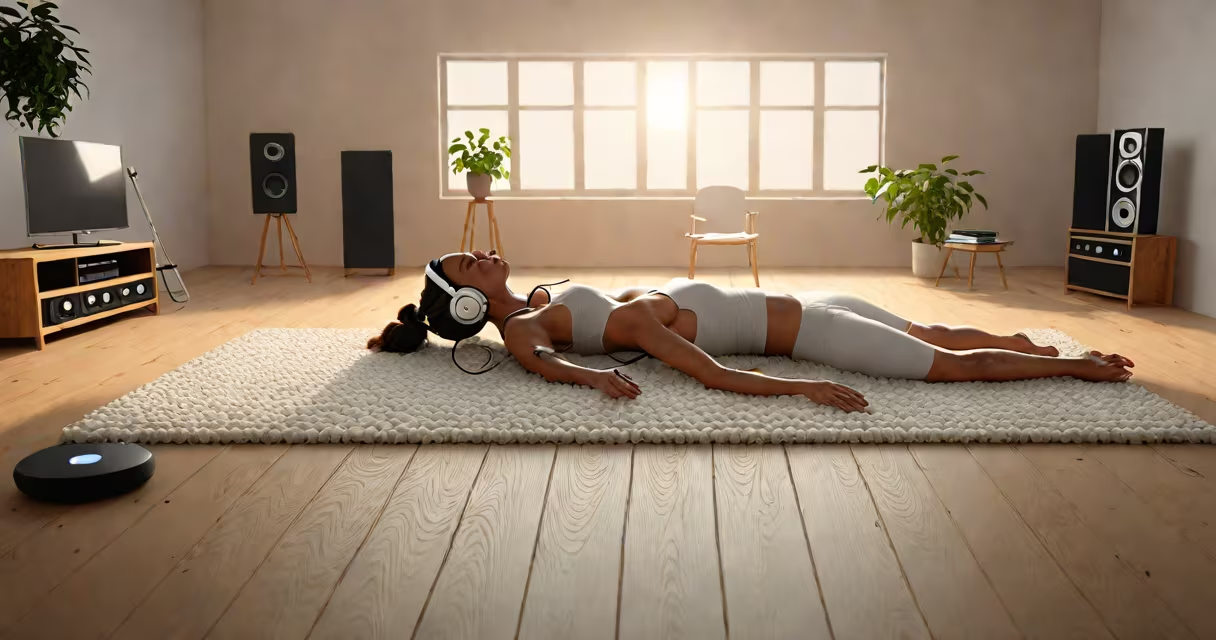
An online sound bath is a virtual session where participants listen to sustained tones, chimes, singing bowls, and other resonant instruments through audio or video platforms to induce deep relaxation, reduce stress, and support mental focus. These sessions are delivered remotely via livestream or recorded audio, allowing access from home or any location with internet connectivity.
Sound baths originated in ancient traditions, particularly in Tibetan and Indian spiritual practices, where harmonic frequencies were believed to align the body's energy centers. Today, online sound baths bring this practice into modern wellness routines, often led by certified facilitators who structure sessions around specific themes-such as release, grounding, or sleep support.
Unlike in-person events, online sound baths eliminate travel barriers and offer flexible scheduling. They are accessible to people with mobility limitations, those in remote areas, or anyone seeking a low-cost entry point into sound-based mindfulness. A typical session lasts between 30 and 60 minutes and may include ambient music, breathwork cues, and verbal guidance.
The core mechanism lies in entrainment-the brain's tendency to synchronize neural activity with external rhythmic stimuli. When exposed to steady, low-frequency vibrations (often between 432 Hz and 528 Hz), the nervous system shifts toward slower brainwave patterns such as alpha (relaxed awareness) and theta (deep meditation).
For example, a 45-minute online sound bath might begin with a 5-minute breathing exercise, followed by 30 minutes of gong and crystal bowl resonance centered on 432 Hz. The facilitator may pause periodically to invite participants to notice bodily sensations or emotional shifts. This structure supports both passive immersion and active engagement.
Scientific research supports the physiological effects. A 2021 study published in *Frontiers in Human Neuroscience* found that participants exposed to 30 minutes of sound therapy showed significant reductions in cortisol levels (a stress hormone) and increased heart rate variability, indicating improved autonomic balance. Another study from the National Institutes of Health noted that regular sound exposure correlated with reduced symptoms of anxiety and insomnia.
Not all online sound baths are the same. They vary by instrument, duration, delivery method, and intended outcome. Here's a breakdown:
| Type | Primary Instruments | Duration | Best For |
|---|---|---|---|
| Live Streaming | Singing bowls, gongs, chimes | 45-60 min | Real-time presence, community connection |
| Recorded Audio | Crystal bowls, tuning forks, nature sounds | 30-45 min | Repetition, convenience, personal pacing |
| Themed Sessions | Custom combinations based on frequency | 20-40 min | Specific goals: sleep, focus, emotional release |
| Hybrid (Live + On-Demand) | Multiple instruments, optional guided narration | Variable | Flexibility and long-term access |
Some providers offer sessions tailored to circadian rhythms. For instance, a 432 Hz session in the evening may be designed to lower cortisol and prepare the body for rest. Others use binaural beats-two slightly different frequencies played in each ear-to encourage brainwave synchronization. A 2020 review in *Neuroscience & Biobehavioral Reviews* confirmed that binaural beats at delta and theta ranges enhanced meditative states and reduced subjective anxiety.
Many assume online sound baths are purely entertainment or New Age mysticism. But they are increasingly recognized in clinical and integrative health settings. The American Psychological Association notes that sound-based interventions are being studied for their role in managing chronic pain and PTSD symptoms.
A frequent misunderstanding is that the quality of the audio doesn't matter. In reality, poor recording fidelity-especially in high-frequency ranges-can disrupt entrainment. A 2022 analysis by the Journal of Auditory Research found that listeners reported 37% less perceived calmness when audio was compressed beyond 16-bit/44.1 kHz resolution. High-quality recordings preserve the subtle harmonics essential for therapeutic effect.
Another error is equating online sound baths with generic meditation apps. While both aim to reduce stress, sound baths rely on physical vibration and spatial audio design. The difference is measurable: a 2023 study at Stanford University compared users of guided meditation versus sound bath sessions. Those in the sound bath group showed greater increases in theta wave dominance and faster onset of relaxed states.
Consider Sarah, a software developer in Austin, Texas, who struggled with nighttime anxiety and disrupted sleep. She began attending a weekly online sound bath hosted by a licensed wellness practitioner. The session ran for 45 minutes, beginning with a 5-minute breath focus, then 35 minutes of Tibetan singing bowl tones tuned to 528 Hz (associated with "DNA repair" in alternative theory, though not scientifically proven).
After four weeks, Sarah reported falling asleep within 15 minutes of starting the session, compared to her usual 45 minutes. Her sleep diary entries noted fewer awakenings and improved mood upon waking. She also began using a recorded version on days she missed the live session, showing consistent benefits across formats.
She accessed the session through a subscription platform that offered both live and on-demand options. The provider included a downloadable PDF with frequency explanations and recommended listening times. This level of detail supports informed participation, unlike unstructured audio clips found on free streaming sites.
When selecting an online sound bath, prioritize platforms that disclose the facilitator's credentials, provide clear descriptions of instrumentation and frequencies, and offer high-fidelity audio. Avoid services that promise miraculous results or claim to cure medical conditions. The U.S. Food and Drug Administration warns against such claims, which fall outside the scope of wellness tools.
Online sound bath sessions are not a substitute for professional mental health care. However, when used consistently as part of a balanced routine, they offer a science-backed, accessible way to support emotional regulation and cognitive clarity. Their growing adoption reflects a shift toward embodied, sensory-based approaches in daily wellness.