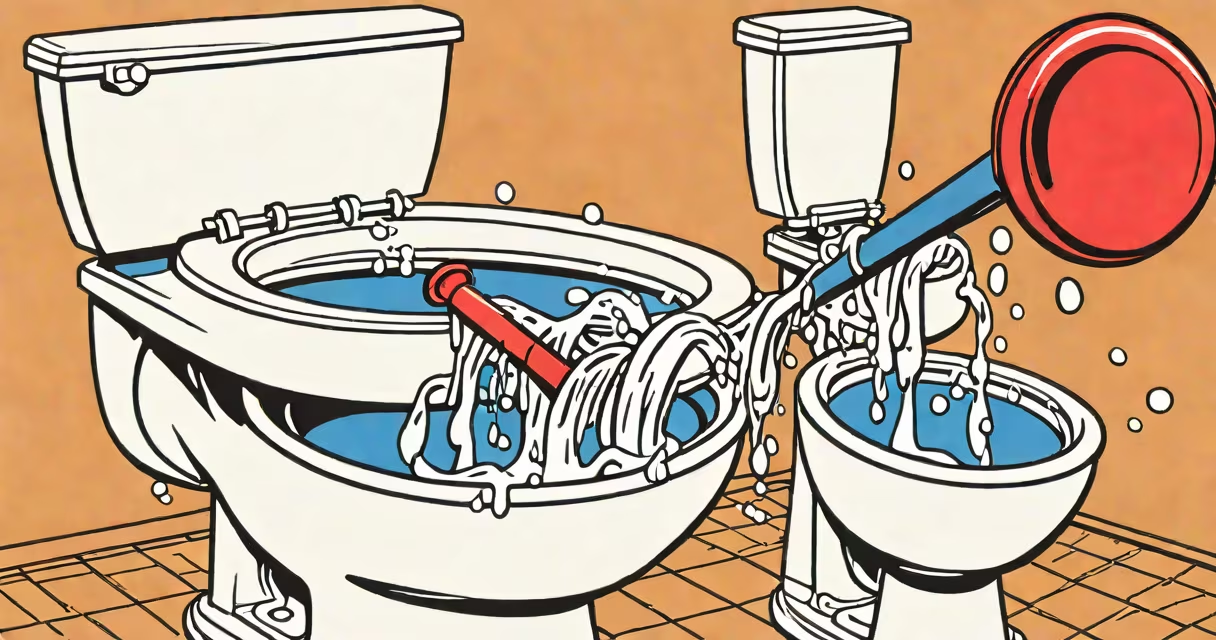
A slow draining toilet results from partial obstruction in the trap or drain line, typically caused by excess waste, excessive toilet paper, or foreign objects. Immediate action prevents overflow and reduces long-term damage to plumbing. This issue requires targeted intervention, not just flushing.
When water drains slowly after flushing, the toilet's trap-a U-shaped bend beneath the bowl-holds water to prevent sewer gases from entering. If debris blocks this area, flow slows. A full blockage stops drainage entirely. The goal is to dislodge or dissolve the obstruction without damaging pipes.
According to the Plumbing-Heating-Cooling Contractors Association (PHCC), 60% of residential toilet clogs stem from improper disposal of hygiene products or excessive paper use. These materials don't break down quickly and accumulate over time. A slow drain may precede a complete blockage, offering early warning.
Toilets rely on gravity and siphonic action. After flushing, water flows into the trap, creating a vacuum that pulls waste through the drain pipe. If the trap is partially blocked, water cannot form a proper seal or initiate siphoning. Flow becomes sluggish, and the bowl may not empty completely.
Most slow drains occur in the trap or the first few feet of the drain line. The trap aims to hold water, but it also traps solids. Over time, layers of waste and paper build up, narrowing the passage. Once the diameter drops below 2 inches, flow slows.
For example, a single flush with 1.6 gallons of water may fail to clear a buildup of 1 inch in diameter. This creates resistance, slowing drainage. If ignored, the blockage grows until the toilet stops draining altogether.
The most effective tool is a flange plunger-specifically designed for toilets. Its rubber cup extends around the drain hole, forming a tight seal. Standard kitchen plungers lack this fit and often fail to generate sufficient pressure.
Use the plunger with 4-6 firm, steady strokes. Do not pump rapidly. The motion forces air and water into the trap, breaking the blockage. After each stroke, lift the plunger to allow water to return. Repeat until the bowl empties quickly.
If the plunger fails, try a toilet auger (also called a closet auger). Insert the flexible cable into the drain hole and rotate clockwise. Push forward until resistance increases, then twist and pull. This reaches deeper blockages beyond the trap. The National Association of Plumbing-Heating-Cooling Contractors (NAPHCC) reports that augers resolve 85% of persistent clogs after failed plunging attempts.
| Method | Effectiveness | Best For | Risk |
|---|---|---|---|
| Plunger (toilet-specific) | High | Trap-level blockages | Low (if used correctly) |
| Toilet auger | Very high | Deeper pipe obstructions | Medium (scratches porcelain if forced) |
| Chemical drain cleaners | Low to moderate | Organic residue only | High (corrosive to pipes, toxic fumes) |
| Baking soda and vinegar | Low | Preventive maintenance | Negligible |
Chemical cleaners like Drano Max Gel claim to dissolve organic matter. However, they can corrode metal and PVC pipes over time. The Environmental Protection Agency (EPA) warns against frequent use due to environmental harm and risk of pipe degradation. Avoid using them unless all else fails-and never mix with other chemicals.
Baking soda and vinegar are popular home remedies. Pour 1 cup baking soda followed by 1 quart vinegar into the bowl. Let sit for 30 minutes. The fizzing reaction breaks down mild organic buildup. But this method lacks force and won't dislodge dense blockages. It's best for prevention, not repair.
Many assume that flushing repeatedly clears a slow drain. This worsens the problem. Each flush adds water and pressure, pushing the blockage further down the pipe. Eventually, the system backs up, leading to overflow.
Another mistake is using a standard kitchen plunger. Its flat rubber cup doesn't seal properly around the toilet's drain hole. Pressure leaks out, reducing effectiveness. A study by Consumer Reports found that kitchen plungers resolved only 12% of toilet clogs compared to 78% for toilet-specific plungers.
Some attempt to use a wire hanger or coat hanger to manually retrieve objects. This risks scratching the porcelain surface and pushing debris deeper. The American Society of Plumbing Engineers (ASPE) advises against inserting tools into the drain unless using a purpose-built auger.
I once encountered a slow-draining toilet in a rental unit. The tenant had flushed multiple wipes and a large amount of paper. The initial flush was slow, and the bowl didn't fully empty. They tried a kitchen plunger, which produced little movement. Water remained at 3/4 level after flushing.
I used a toilet-specific plunger with firm, rhythmic strokes. After five cycles, the bowl drained completely. I repeated the process twice to ensure no residual blockage. No chemicals were used. The fix took under five minutes and cost nothing.
This case illustrates that proper tool selection matters. The kitchen plunger failed because it couldn't create a sealed vacuum. The correct tool restored function instantly.
If plunging and augering fail, the blockage may be in the main sewer line. Signs include multiple drains backing up, gurgling sounds, or sewage odor. A professional plumber uses a camera inspection to locate the obstruction and a hydro-jet system to clear it.
DIY methods work for 90% of cases, according to the Plumbing-Heating-Cooling Contractors Association. But when the problem persists, calling a licensed plumber avoids costly repairs and health hazards.
Understanding how a toilet drains helps prevent future issues. Regular maintenance-like avoiding flushing non-biodegradable items-reduces clog frequency. When a slow drain appears, act quickly. Delaying treatment increases the chance of overflow and damage.
Unclogging a slow draining toilet is manageable with the right tools and knowledge. Focus on mechanical force rather than chemicals. Use a toilet-specific plunger or auger. Avoid repeated flushing. If problems persist, seek professional help.