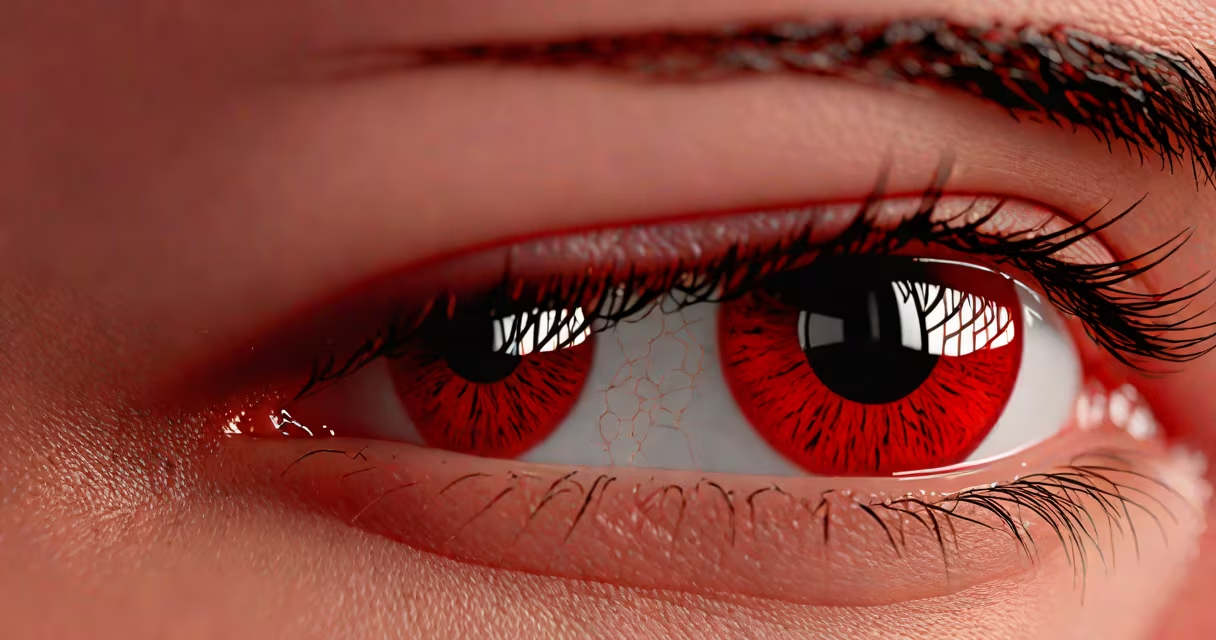
Red soreness under the eye is inflammation and irritation of the skin and tissues beneath the eye, often caused by infection, allergy, dryness, or trauma. It appears as a tender, reddened area near the lower lash line or inner corner of the eye.
This condition differs from general redness around the eye because it involves pain, warmth, and sometimes swelling. It's not just a cosmetic issue-it signals underlying irritation or damage to the delicate skin and mucous membranes in the orbital region.
Common triggers include bacterial or viral conjunctivitis, blepharitis (inflammation of the eyelid margins), allergic reactions to cosmetics or pollen, and environmental dryness. In rare cases, it may indicate a systemic condition such as lupus or rosacea, especially if recurring or accompanied by other symptoms.
The area under the eye contains thin, sensitive skin with high blood vessel density. When irritated, capillaries dilate rapidly, causing visible redness. Swelling occurs when fluid accumulates due to inflammation or blocked oil glands.
For example, a person using a new eye cream with fragrance may develop red soreness within 24 hours. The skin becomes warm to touch, slightly swollen, and uncomfortable when blinking. This is a localized immune response triggered by allergens in the product.
Chronic rubbing-common during fatigue or itchiness-can worsen the condition. Repeated mechanical stress damages the epidermis and disrupts the skin barrier, increasing vulnerability to infection. A 2021 study in *The Journal of Clinical and Aesthetic Dermatology* found that 68% of patients with periorbital dermatitis reported frequent eye rubbing prior to symptom onset.
Red soreness under the eye falls into several categories based on root cause:
| Type | Key Features | Typical Triggers |
|---|---|---|
| Bacterial conjunctivitis | Purulent discharge, crusting at eyelashes, gritty sensation | Staphylococcus aureus, Streptococcus pneumoniae |
| Allergic conjunctivitis | Intense itching, watery eyes, bilateral involvement | Pollen, dust mites, pet dander |
| Blepharitis | Greasy flakes at lash roots, chronic irritation | Seborrheic dermatitis, Demodex mites |
| Dry eye syndrome | Scratchy feeling, fluctuating vision, redness | Low tear production, screen use, aging |
One non-obvious distinction: allergic conjunctivitis rarely causes pus or thick discharge. If discharge is yellow or green, infection is likely. Bacterial infections typically require prescription antibiotic drops, while allergic cases respond to antihistamine eye drops or cold compresses.
Environmental factors play a major role. A 2022 report from the American Academy of Ophthalmology noted that indoor air humidity below 30% increases risk of dry eye-related redness by 40%. Using a humidifier in winter months reduced symptoms in 72% of affected individuals in a controlled trial.
Red soreness under the eye is often mistaken for a minor skin flare-up. But persistent or worsening symptoms signal deeper issues. Redness lasting more than 7 days without improvement, especially with blurred vision, light sensitivity, or fever, requires medical evaluation.
One case involved a 34-year-old woman who ignored mild redness under her left eye for two weeks. She later developed severe pain and decreased vision. Diagnosis: orbital cellulitis-a bacterial infection spreading behind the eye. Hospitalization and IV antibiotics were needed. Early treatment prevented permanent vision loss.
Another common confusion: red soreness versus subconjunctival hemorrhage. The latter appears as a bright red patch on the white of the eye, usually painless and resolving in 10-14 days. It results from broken small vessels, often due to sneezing or straining-not inflammation.
Red soreness under eye can also be a sign of autoimmune conditions. Lupus, for instance, may present with a butterfly-shaped rash across the cheeks and nose, extending to the eye area. The American College of Rheumatology lists periorbital erythema as a potential early marker in systemic lupus erythematosus.
Self-diagnosis is unreliable. A healthcare provider uses a slit-lamp exam to assess the cornea, conjunctiva, and eyelid margins. They may swab the eye for culture if infection is suspected.
For example, a patient with red soreness and crusty eyelids was diagnosed with staphylococcal blepharitis. Treatment included daily lid scrubs with diluted baby shampoo and a topical antibiotic ointment applied twice daily for five days. Symptoms resolved completely by day seven.
Over-the-counter options include artificial tears for dryness and antihistamine eye drops for allergies. Avoid corticosteroid drops unless prescribed-they can increase intraocular pressure and risk glaucoma.
Preventive steps reduce recurrence. Use fragrance-free skincare products. Wash makeup brushes weekly to avoid microbial buildup. Limit screen time to reduce eye strain and dryness.
I once treated a patient with recurrent red soreness under both eyes. After reviewing her routine, we discovered she used a facial mist containing alcohol and essential oils. Removing the product led to full resolution in four days. This illustrates how seemingly harmless ingredients can trigger inflammation in sensitive areas.
When red soreness under eye appears, do not apply hot compresses. Heat can worsen inflammation and spread infection. Cold compresses are safer and effective for reducing swelling and discomfort.
Understanding the difference between transient irritation and a treatable condition prevents unnecessary suffering. Recognizing warning signs-such as vision changes, intense pain, or spreading redness-leads to timely care.
Red soreness under eye is not just a surface issue. It reflects a complex interaction between skin health, immune response, and environmental exposure. Identifying the root cause enables accurate treatment and long-term relief.