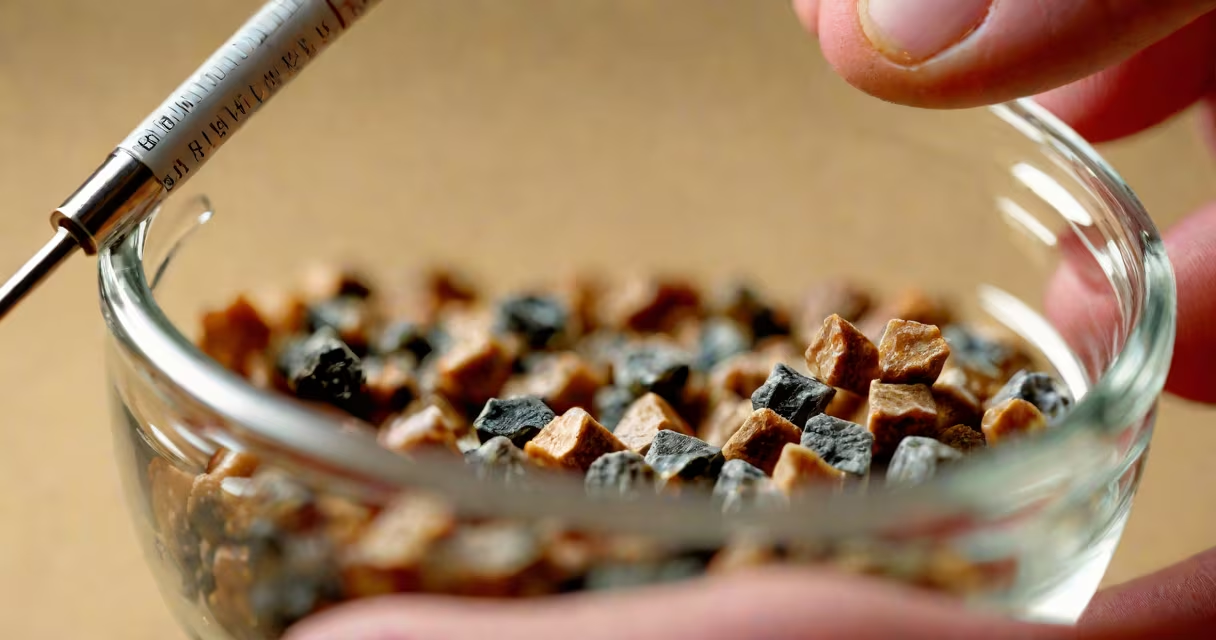
Kidney stone pain is a sudden, intense, wave-like cramp that begins in the flank or lower back and often spreads to the groin, abdomen, or inner thigh. It typically comes in episodes lasting minutes to hours, alternating between severe pain and brief relief. This sensation is medically known as renal colic.
The pain results from a stone blocking the ureter-the tube connecting the kidney to the bladder. As the ureter contracts forcefully to push the stone forward, it causes spasms that feel like sharp, stabbing waves. The intensity varies by stone size and location, but even small stones (2-5 mm) can trigger severe discomfort due to the narrow diameter of the ureter (about 3-4 mm).
A 2020 study published in *The Journal of Urology* found that 86% of patients experiencing kidney stones described the pain as "unbearable" or "worse than childbirth." The American Urological Association notes that pain often worsens during movement and may lead to nausea, vomiting, or sweating due to the body's stress response.
Pain from a kidney stone doesn't stay in one place. It shifts as the stone moves through the urinary tract. Initially, it's felt in the flank-just below the ribs and above the hip bone. As the stone travels toward the bladder, the pain often radiates to the lower abdomen and inner groin. Some people report pain in the testicles or labia, especially if the stone reaches the pelvic area.
The pain is often described as constant but with waves of increasing intensity. It may come in bursts every 10-20 minutes, lasting 20-60 seconds each. These episodes can last several hours and may persist until the stone passes or is removed medically.
One patient reported in a clinical review: "I was at work when the pain hit-like someone was twisting a knife in my side. I couldn't stand straight. I had to leave the office and walk to the bathroom, but the pain didn't stop. I ended up in the ER." This pattern-sudden onset, inability to find a comfortable position, and movement-related worsening-is common.
Many people mistake kidney stone pain for appendicitis, gallbladder attacks, or even heart issues. However, kidney stone pain is distinct in location and progression. Unlike appendicitis, which starts near the belly button and moves to the lower right side, kidney stone pain begins in the flank and moves downward.
Another frequent error is assuming that pain equals stone size. A 4-mm stone can cause more pain than a 10-mm stone if it's lodged in a narrow section of the ureter. Size matters less than obstruction and muscle spasms. The National Institute of Diabetes and Digestive and Kidney Diseases (NIDDK) confirms that pain severity correlates more with the degree of ureteral blockage than stone dimensions.
Some confuse kidney stone pain with menstrual cramps. While both involve cramping, kidney stone pain typically affects only one side and includes radiation to the groin. Menstrual pain is usually bilateral and centered in the lower abdomen. If you're unsure, seek medical evaluation-misdiagnosis delays treatment.
There are four main types of kidney stones, each linked to different metabolic conditions and slightly varied pain profiles:
| Type | Composition | Pain Pattern | Prevalence |
|---|---|---|---|
| Calcium oxalate | Calcium + oxalate (most common) | Severe, sharp flanks; often radiates to groin; associated with dehydration | 80% |
| Struvite | Magnesium, ammonium, phosphate (linked to infections) | Less intense pain; often presents with fever and urinary symptoms | 10% |
| Uric acid | High uric acid levels (from diet or gout) | Sharp, burning pain; often occurs in acidic urine environments | 5% |
| Cystine | Genetic disorder affecting amino acids | Chronic, recurring pain; often appears in young adults | 1% |
Calcium oxalate stones are most likely to cause classic renal colic. They form in acidic urine and are strongly linked to low fluid intake. A 2019 study in *Clinical Nephrology* showed that people who drink fewer than 1.5 liters of water daily have a 40% higher risk of recurrent calcium stones.
John, a software developer, woke up at 3 a.m. with excruciating pain in his right flank. He described it as "like a hot poker being twisted into my back." The pain radiated to his right groin and made him nauseous. He couldn't sit, stand, or lie still. After 90 minutes, he vomited twice and called emergency services.
At the hospital, a CT scan confirmed a 6-mm stone in the distal right ureter. He was given intravenous ketorolac (a strong NSAID) and admitted for observation. Over the next 12 hours, the pain fluctuated in intensity. He passed the stone in his urine 18 hours later, describing the release as "a sudden wave of relief."
This case illustrates the typical progression: acute onset, radiation, nausea, and eventual passage. John's pain matched the standard renal colic profile-intense, unilateral, and episodic.
If you experience persistent pain, fever, chills, or blood in the urine, seek care immediately. These signs suggest infection or obstruction requiring intervention. The American Urological Association recommends evaluation within 24 hours if pain lasts longer than 4 hours or recurs frequently.
Understanding what a kidney stone feels like helps distinguish it from other conditions. The sign is sudden, severe, wave-like pain that starts in the flank and moves toward the groin. It's not just discomfort-it's a physical crisis that demands attention.