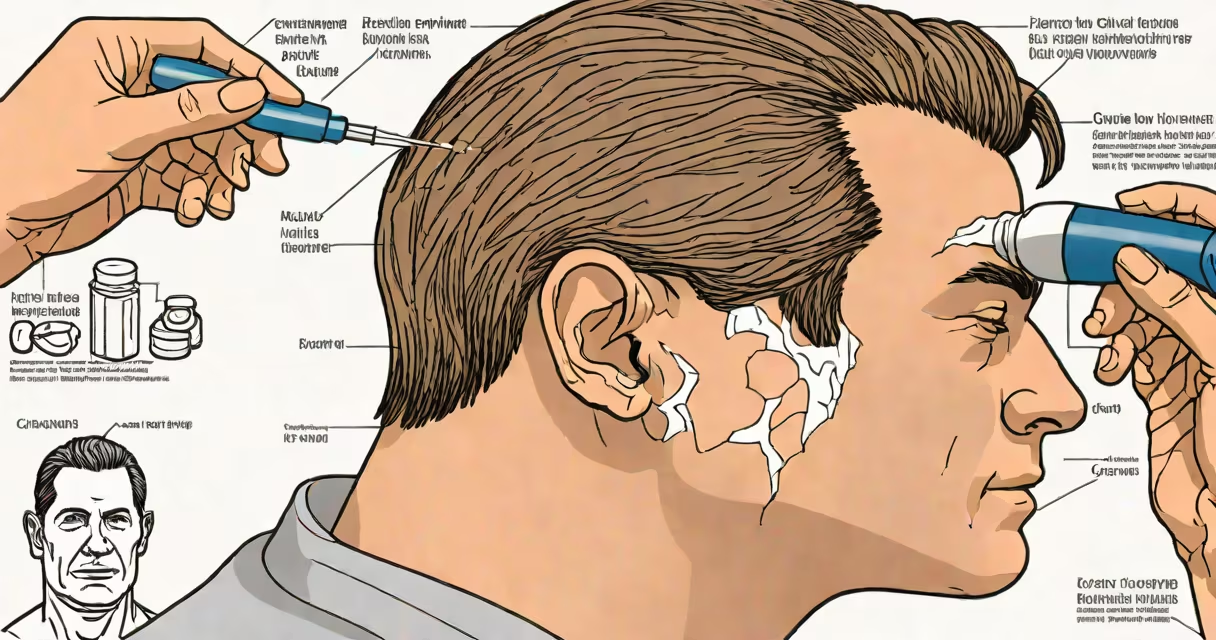
Rogaine and itchy scalp refer to a common side effect of minoxidil-based topical treatments used for hair regrowth, where users experience itching, redness, or flaking on the scalp after application. This occurs due to irritation from the active ingredient or inactive ingredients in the formulation.
Minoxidil, the active compound in Rogaine, was originally developed as a blood pressure medication. Its hair growth properties were discovered during clinical trials when patients reported increased facial and scalp hair. Today, Rogaine is available in 2% and 5% formulations applied twice daily to the scalp. While effective for many, it can trigger inflammatory responses in sensitive individuals.
According to the American Academy of Dermatology, up to 15% of users report mild to moderate scalp irritation within the first few weeks of use. These reactions often subside as the skin adapts, but persistent itching may require intervention. The most common irritants are propylene glycol (in liquid versions) and alcohol-based solvents in foams, which strip natural oils and disrupt the scalp's barrier.
When applied, minoxidil penetrates the outer layer of the scalp to reach hair follicles. This process can cause localized inflammation in people with reactive skin. Propylene glycol, used as a solvent in the liquid form of Rogaine, is particularly known for causing stinging, burning, and itching in sensitive users. A 2021 study published in the Journal of Clinical and Aesthetic Dermatology found that 38% of participants using the liquid formulation reported irritation compared to 19% using the foam version.
The foam formulation reduces irritation risk because it contains less propylene glycol and uses a different delivery system. However, even the foam can cause itching due to the presence of alcohol and other preservatives. In rare cases, allergic contact dermatitis develops, leading to severe itching, blistering, and crusting. If symptoms worsen after initial use, discontinuing the product is advised.
A real-world example: a 42-year-old man began using Rogaine 5% liquid twice daily. After five days, he developed intense itching and flaking on his crown. He switched to the foam version and reduced frequency to once daily. Within two weeks, symptoms improved. His dermatologist confirmed mild irritant contact dermatitis and recommended a low-strength hydrocortisone cream for flare-ups.
Not all scalp reactions are the same. Distinguishing between irritant contact dermatitis, allergic contact dermatitis, and seborrheic dermatitis helps determine the correct response.
| Type | Onset | Common Triggers | Typical Symptoms |
|---|---|---|---|
| Irritant contact dermatitis | Immediate (within hours) | Propylene glycol, alcohol, surfactants | Itching, redness, dryness, flaking |
| Allergic contact dermatitis | Delayed (24-72 hrs) | Preservatives, fragrances, specific additives | Intense itching, swelling, blistering |
| Seborrheic dermatitis | Chronic, flares with stress | Malassezia yeast, hormonal shifts | Oily flakes, red patches, mild itching |
Itchiness from Rogaine typically presents as irritant contact dermatitis. The condition usually resolves within 1-2 weeks as the skin adjusts. However, if itching persists beyond four weeks or spreads, it may indicate an allergy or coexisting condition like seborrhea.
One non-obvious distinction: itching from Rogaine often starts at the application site and spreads slightly with continued use. It rarely appears in isolated patches unless the user applies too much product or rubs vigorously. In contrast, seborrheic dermatitis tends to affect the scalp's oil-rich zones-behind the ears, along the hairline, and at the crown.
Reducing irritation begins with proper application technique. Apply Rogaine only to clean, dry scalp. Avoid touching the treated area for at least 4 hours to prevent transfer to clothing or hands. Using a small amount-about 1 mL for the 5% solution-minimizes exposure to potential irritants.
If itching occurs, switching to the foam version is often effective. The foam has lower concentrations of propylene glycol and dries faster, reducing contact time. A 2020 clinical review in the International Journal of Dermatology showed that users who switched from liquid to foam reported a 60% reduction in irritation over six months.
For persistent cases, adding a non-comedogenic moisturizer like ceramide-based scalp serum can restore the skin barrier. Over-the-counter hydrocortisone 1% cream applied sparingly to affected areas twice daily for up to seven days may reduce inflammation. Avoid prolonged use to prevent thinning of the skin.
During a routine visit, I observed a patient using Rogaine who had developed severe itching and crusting. After ruling out fungal infection via KOH test, we diagnosed irritant dermatitis. Switching to the foam and adding a 1% hydrocortisone cream resolved symptoms in ten days. The patient resumed treatment successfully after the flare-up subsided.
Itchy scalp rogaine is usually manageable at home, but certain signs indicate the need for professional evaluation. See a dermatologist if itching is accompanied by pain, oozing, widespread redness, or hair shedding beyond normal levels. These may signal infection, autoimmune reaction, or worsening alopecia.
Some users mistake early hair shedding-common in the first 2-4 weeks of use-for a sign of failure. This shedding, called "initial shedding," is normal and indicates follicles are cycling into active growth. However, if shedding continues past eight weeks or is associated with intense itching, discontinue use and consult a provider.
Recovery from irritation takes time. Most users see improvement within two weeks of adjusting application habits. If symptoms persist despite changes, a patch test with a dermatologist can identify specific allergens. Stopping use entirely may be necessary for those with confirmed allergies.
Understanding Rogaine and itchy scalp helps users make informed decisions about continuing treatment. With proper management, most can tolerate the medication long-term. Always consult a healthcare provider before stopping or changing regimen.