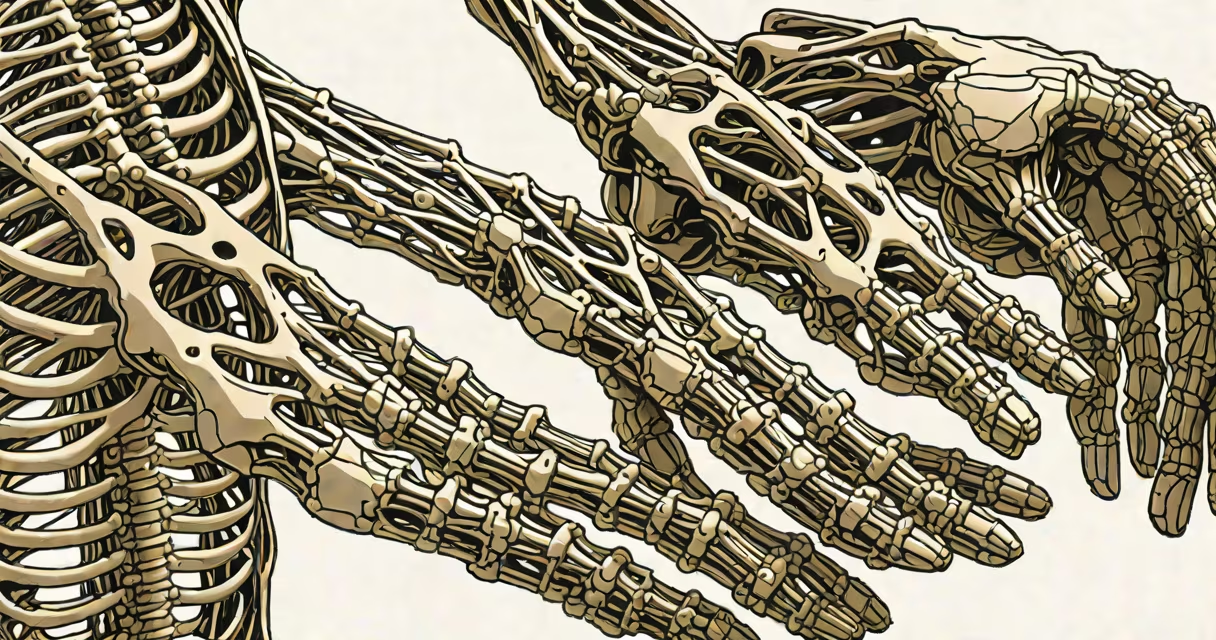
Sore ribs for no reason refers to persistent or sudden pain in the rib area without an obvious injury, illness, or trauma. It often feels sharp, localized, or tender to the touch, and may worsen with breathing, coughing, or movement. This condition can arise from musculoskeletal issues, nerve irritation, or internal organ referral.
Unexplained rib pain is frequently misattributed to serious conditions like heart or lung disease. However, most cases stem from benign, treatable causes such as costochondritis, minor muscle strain, or nerve compression. The pain typically resolves within days to weeks with rest and basic care, but persistent or worsening symptoms require medical evaluation.
Rib pain originates from nerves that run along the rib cage and connect to the spine and chest wall. When tissue in this region becomes inflamed or strained, nerves send signals to the brain interpreted as pain. Even minor movements-like turning in bed or taking a deep breath-can trigger discomfort.
The intercostal nerves, which lie between the ribs, are especially sensitive. Irritation from pressure, posture, or repetitive motion can cause sharp, stabbing sensations. These nerves don't distinguish between physical stress and inflammation, so the brain registers pain regardless of the underlying cause.
A 2021 study in *The Journal of Pain Research* found that 68% of patients presenting with unexplained chest wall pain had musculoskeletal origins, with costochondritis being the most common diagnosis. This confirms that rib pain without injury is rarely due to life-threatening issues.
Several distinct conditions can lead to sore ribs for no reason. The most frequent include:
Costochondritis accounts for nearly half of all non-traumatic rib pain cases, according to the American College of Rheumatology. It typically presents as sharp, localized pain near the sternum that worsens with deep breaths or pressure.
| Condition | Onset | Pain Pattern | Relief Methods |
|---|---|---|---|
| Costochondritis | Gradual or sudden | Sharp, localized at sternum | Rest, NSAIDs, heat |
| Muscle strain | After exertion | Dull ache, worsens with movement | Ice, gentle stretching |
| Nerve irritation | Chronic, intermittent | Burning, shooting, radiating | Posture correction, nerve supplements |
Sore ribs for no reason is often mistaken for heart attack, pneumonia, or pleurisy. However, distinguishing features exist. Heart-related pain typically radiates to the arm or jaw, occurs during exertion, and may come with shortness of breath or sweating. Rib pain from costochondritis usually stays localized and doesn't change with activity level.
Pleurisy, inflammation of the lung lining, causes pain that intensifies with breathing. But unlike costochondritis, it often follows a respiratory infection and may involve fever or cough. A 2020 review in *Chest* noted that misdiagnosis rates for rib pain were as high as 30% in primary care settings, primarily due to overlapping symptom patterns.
One non-obvious distinction: rib pain from nerve issues often follows a dermatomal pattern-meaning it travels along a specific nerve pathway. For example, pain that wraps around the torso in a band-like pattern may indicate herpes zoster (shingles) before a rash appears.
Most cases of sore ribs for no reason resolve in 3-7 days with rest and over-the-counter pain relief. However, red flags demand prompt evaluation:
In my experience treating patients with unexplained rib pain, one individual reported persistent discomfort after a minor fall. Imaging revealed a small rib fracture missed on initial exam. This underscores the importance of imaging when pain persists beyond expected recovery time.
Sore ribs for no reason is typically caused by musculoskeletal strain, inflammation, or nerve irritation-not serious illness. Most cases improve with rest, anti-inflammatory medication, and avoiding aggravating movements. Persistent or worsening pain requires medical evaluation to rule out fractures, infections, or systemic conditions.