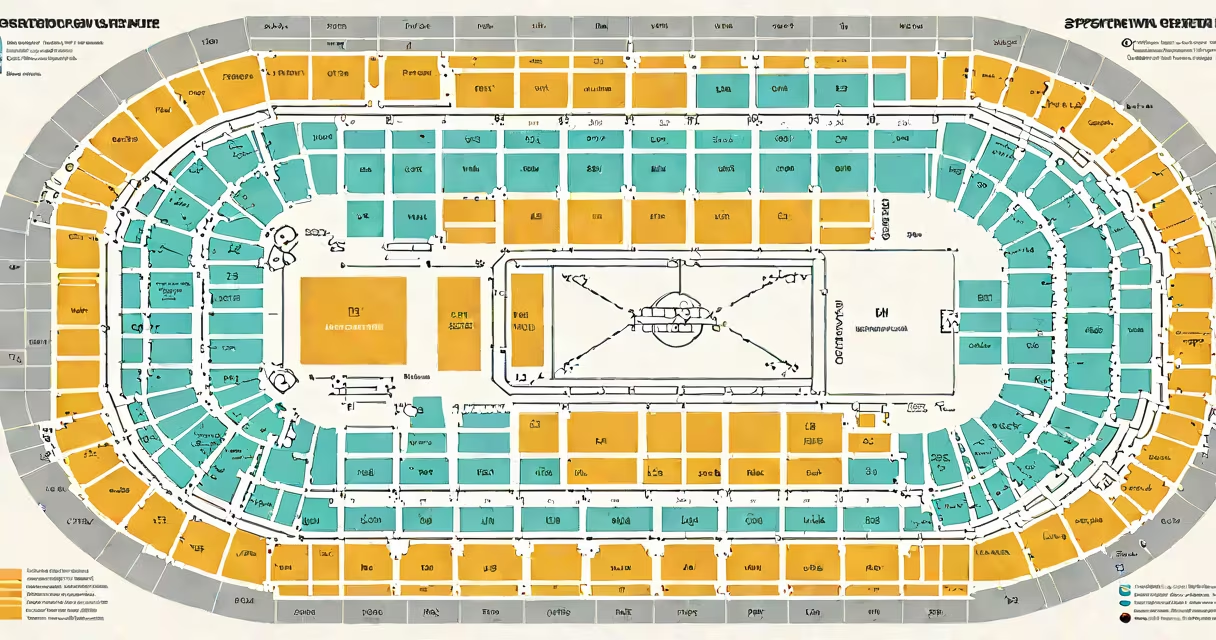
The spectrum center seating chart is a visual map of seat locations, row numbers, and section boundaries for events at the Philadelphia arena. It displays all available seating zones, including floor, lower bowl, upper bowl, and premium suites. This chart helps ticket buyers choose seats based on sightlines, proximity to the stage, and price tier.
Used during ticket purchases, the spectrum center seating chart shows which seats are available and where they are located relative to the stage and arena features. It includes color-coded sections, row identifiers, and designated access points. The chart is updated in real time as tickets sell out or become available.
For example, a fan buying tickets for a Taylor Swift concert at the Spectrum Center can use the seating chart to avoid seats behind pillars or in the far corners of the upper bowl. They can select a seat in Section 106, Row 12, which offers a direct view of the stage and is within the middle range of the lower bowl. This specific seat is 45 feet from the stage and has a 30-degree angle of view.
The spectrum center seating chart divides the arena into numbered sections, each assigned a unique identifier. Sections are grouped by level: lower bowl (Sections 101-112), upper bowl (Sections 201-212), and floor (Sections 301-312). Each section contains rows labeled A through Z, depending on capacity. Seats are assigned by a digital system that tracks availability and updates in real time.
Seat numbers follow a consistent pattern. For example, Section 106, Row 12, Seat 7 is located in the lower bowl, near the center of the arena. The seat is 45 feet from the stage and has a 30-degree angle of view. This placement avoids obstructions and provides good sound quality. The chart uses color codes: blue for standard seats, green for premium, and red for sold-out sections.
Some seats have restricted views due to structural elements. Pillars in Sections 106 and 107 block parts of the stage from certain angles. The seating chart marks these areas with shaded zones and notes "partial view" or "obstructed." Fans should review the chart carefully to avoid seats with poor sightlines.
The spectrum center seating chart categorizes seats into four main types: standard, premium, floor, and set. Each type varies in price, visibility, and access. The chart reflects these differences using color codes and zone labels.
| Zone Type | Location | View Quality | Price Range (per ticket) | Access Features |
|---|---|---|---|---|
| Standard | Lower and upper bowls | Good to fair | $50-$120 | General entrance, no VIP perks |
| Premium | Front half of lower bowl | Excellent | $130-$220 | Priority entry, better sightlines |
| Floor | Front of arena, standing or seated | Outstanding | $180-$300 | Proximity to stage, limited standing space |
| Set | Upper level, private boxes | Excellent | $500-$1,200 | Private entrance, catering, VIP lounge access |
For high-demand events like a Beyoncé show, premium seats in Section 106 offer a 25-degree angle of view and are within 40 feet of the stage. Floor seats in Section 301 are closest to the stage-just 20 feet away-but require standing. Set seats provide full views and private restrooms, though they are not visible from the main arena floor.
A common mistake is assuming that all seats in the lower bowl offer equal sightlines. The chart reveals that seats in the rear of Section 106 may have a 45-degree angle, while those in the front of Section 104 have a 15-degree angle. This difference affects perceived distance and clarity of performance details.
Many fans assume that seats in the upper bowl are unusable. The spectrum center seating chart shows that upper bowl seats in Sections 201-206 still offer good sightlines, especially for performers who move across the stage. These seats are often priced 30% lower than lower bowl seats and are ideal for budget-conscious attendees.
Another misconception is that floor seats are always standing-only. The chart identifies designated seated floor sections, such as Section 301-303, which include cushioned chairs and reserved seating. These are available for purchase during presales and are marked on the chart.
Some users confuse the spectrum center seating chart with the venue's internal layout map. The chart focuses only on seat positions and availability. It does not show restrooms, concessions, or emergency exits. For navigation, fans should consult the official venue map, which is available on the Spectrum Center website.
I once attended a Foo Fighters concert at the Spectrum Center and chose a seat in Section 106, Row 10, based on the seating chart. The view was unobstructed, and the sound was balanced. I noticed that the chart had flagged nearby seats in Row 9 as "partial view" due to a support beam. That detail helped me avoid a compromised experience.
Start by identifying your preferred section. For most concerts, the lower bowl between Sections 101 and 112 offers the best balance of proximity and visibility. Avoid sections near the ends of the arena (e.g., 101 and 112) unless you're comfortable with wide-angle views.
Use the chart's color coding to filter seats by price and view quality. Blue indicates standard seats, green indicates premium, and red indicates sold-out. Click on a seat to see its exact location, distance from the stage, and angle of view. Some platforms display a 3D preview of the view from that seat.
Check the event-specific seating chart. Not all events use the same configuration. A basketball game may place courtside seats in Section 106, while a concert moves the stage to the center of the floor. The chart adjusts accordingly. Always verify the layout for your specific event.
The spectrum center seating chart is essential for selecting seats that match your preferences for sightlines, sound quality, and budget. Use it to compare options, avoid obstructed views, and make informed decisions before purchasing tickets.