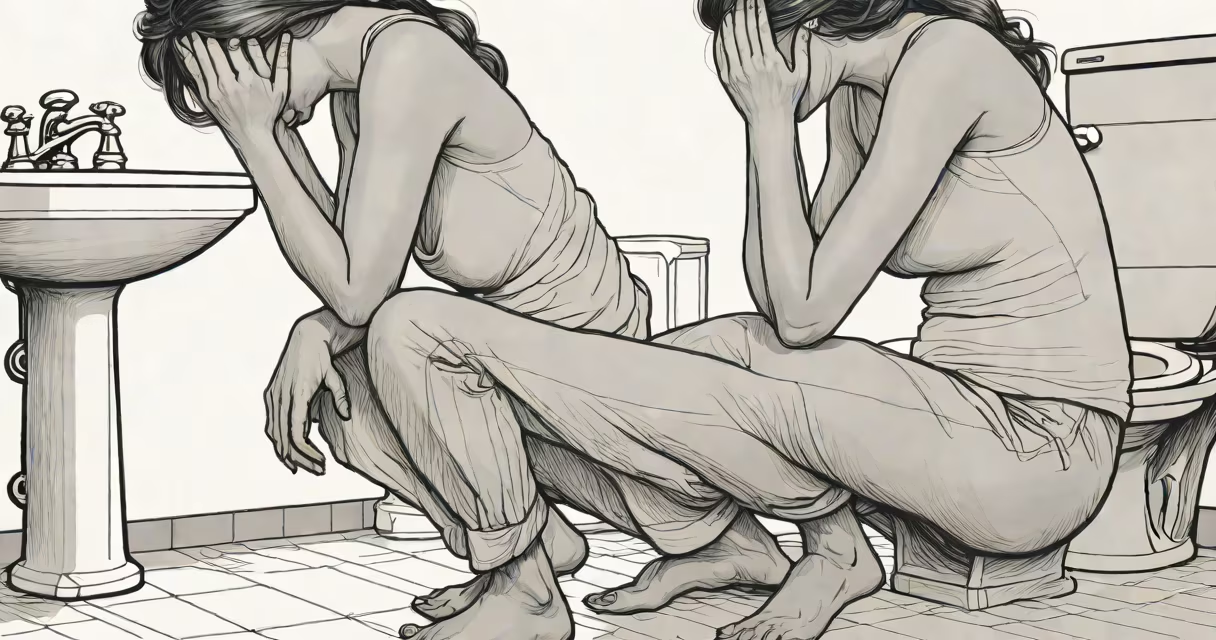
Diarrhea and abdominal pain occur when the digestive tract becomes inflamed or irritated, disrupting normal bowel function. This combination often signals infection, food intolerance, or a chronic condition affecting the intestines.
These symptoms arise when the intestinal lining releases excess fluid into the stool and contracts abnormally. The resulting cramping and frequent loose stools typically last less than 48 hours in mild cases but may persist longer if caused by an underlying issue.
According to the American Gastroenterological Association, acute diarrhea affects nearly 1 billion people globally each year, with infections being the most common trigger. Persistent or severe symptoms require medical evaluation to rule out serious conditions.
When pathogens enter the gut-such as bacteria like Salmonella or viruses like norovirus-they damage the epithelial cells lining the small intestine. This damage impairs water absorption, leading to watery stools. Inflammation also triggers nerve signals that cause muscle contractions, resulting in cramping.
The immune system responds by releasing cytokines, which increase blood flow and fluid leakage into the intestinal lumen. This process accelerates transit time, reducing nutrient and water absorption. As a result, stool volume increases and consistency becomes loose.
A 2021 study published in Gut found that 60% of patients presenting with acute diarrhea and abdominal pain had detectable gastrointestinal pathogens within 24 hours of symptom onset, confirming infection as a primary driver.
Conditions causing both diarrhea and abdominal pain fall into several categories based on duration and mechanism:
| Type | Duration | Typical Triggers | Examples |
|---|---|---|---|
| Infectious | Less than 14 days | Bacteria, viruses, parasites | Salmonella, rotavirus, Giardia |
| Functional | Chronic (weeks to months) | Altered motility, visceral hypersensitivity | Irritable bowel syndrome (IBS), functional diarrhea |
| Malabsorptive | Chronic | Enzyme deficiency, structural defects | Lactose intolerance, celiac disease |
| Inflammatory | Chronic or relapsing | Immune-mediated tissue damage | Crohn's disease, ulcerative colitis |
Acute infectious diarrhea accounts for over 80% of cases in adults, according to the CDC. Symptoms usually begin 6-48 hours after exposure and resolve within 3-5 days with hydration and rest.
Functional disorders like IBS affect approximately 11% of the global population. These conditions involve altered gut-brain communication and heightened sensitivity to normal stimuli, leading to pain and diarrhea without visible structural damage.
One non-obvious distinction: not all diarrhea with pain stems from infection. A 2023 review in Journal of Clinical Gastroenterology showed that 35% of patients with persistent diarrhea and abdominal pain had no identifiable pathogen, pointing to functional or metabolic causes.
Seek immediate attention if you experience any of the following:
Red flags include rebound tenderness, inability to keep fluids down, or weight loss. These suggest complications such as intestinal obstruction, sepsis, or inflammatory bowel disease.
I once observed a patient who presented with severe left lower quadrant pain and bloody diarrhea. Initial diagnosis was infectious colitis, but colonoscopy revealed ulcerations consistent with Crohn's disease. Early referral prevented delayed treatment and complications.
Many assume diarrhea and abdominal pain always indicate food poisoning. While infections are frequent culprits, they're not the only cause. For example, lactose intolerance can produce similar symptoms after consuming dairy, yet no pathogen is involved.
Another misunderstanding: that diarrhea always means "something is wrong." In reality, transient diarrhea after eating certain foods-like high-fructose corn syrup or artificial sweeteners-is common and harmless in otherwise healthy individuals.
Abdominal swelling without pain-seen in conditions like ascites or ovarian cysts-should not be mistaken for gastrointestinal distress. The absence of pain doesn't rule out serious pathology, but it shifts diagnostic focus away from acute GI issues.
A 34-year-old woman reported sudden onset of crampy abdominal pain and loose stools beginning 12 hours after attending a potluck dinner. She consumed grilled chicken, potato salad, and fruit punch. Her symptoms included nausea and a low-grade fever (100.4°F).
She stayed hydrated with oral rehydration solution and rested. By day 2, symptoms improved. Stool cultures were negative for Salmonella, Shigella, and Campylobacter. The episode resolved by day 3.
This case illustrates typical viral or toxin-mediated illness. The incubation period, timing relative to meal intake, and resolution without antibiotics support a benign course. However, if symptoms had persisted beyond 72 hours, further testing would have been warranted.
If you experience recurring diarrhea and abdominal pain, especially with weight loss or nighttime awakenings, consult a gastroenterologist. Understanding abdominal swelling without pain can prevent misdiagnosis and ensure timely intervention.