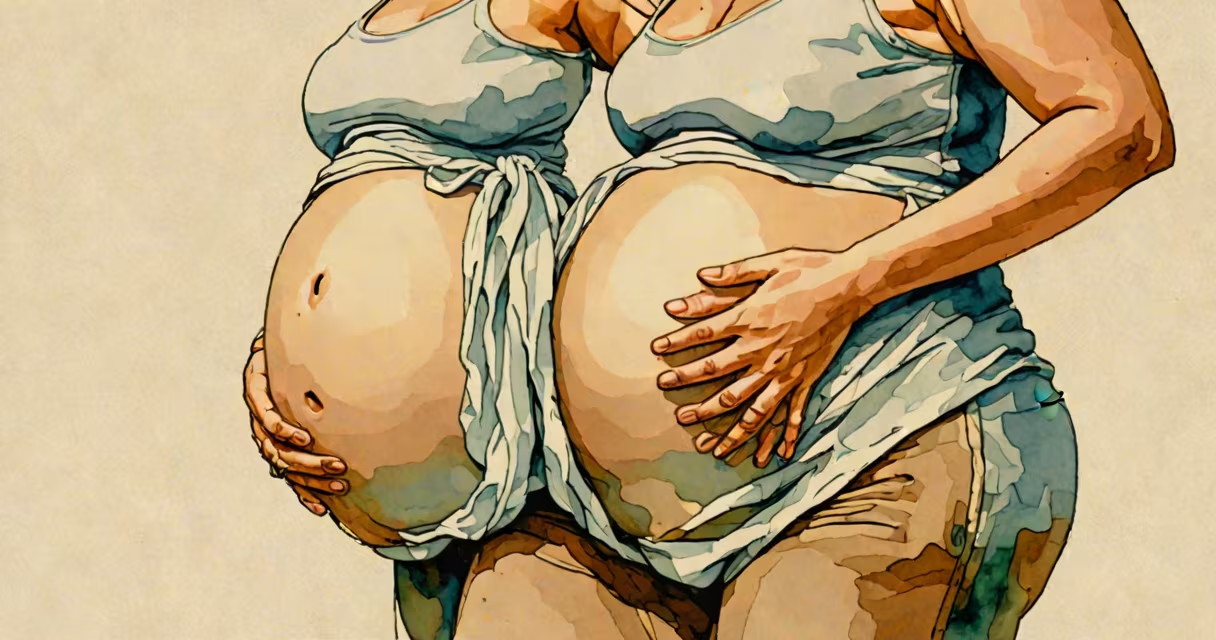
A visibly swollen abdomen that resembles early pregnancy-often called "stomach so bloated look pregnant"-results from trapped gas, fluid retention, or digestive slowdown, not fetal development. This appearance stems from internal pressure, not weight gain.
When the abdomen expands beyond normal size due to internal buildup, it can mimic the rounded shape seen in early pregnancy. This condition affects people regardless of gender, age, or reproductive status. It's not a medical diagnosis but a descriptive term for a physical state driven by physiology, not biology.
Bloating occurs when excess air, fluid, or undigested food accumulates in the gastrointestinal tract. The stomach and intestines stretch under pressure, causing visible distension. This happens during digestion, especially after large meals or high-fiber intake.
Gas forms through bacterial fermentation in the colon. A single meal of beans or cruciferous vegetables can produce enough gas to increase abdominal volume by 10-15%. Fluid retention-often linked to sodium intake or hormonal shifts-adds another layer. For example, women may notice increased bloating during their menstrual cycle due to rising progesterone levels, which slow gut motility.
Research from the American Gastroenterological Association notes that functional bloating affects up to 19% of adults globally. It's often misattributed to weight gain or pregnancy when no conception has occurred.
The primary contributors to stomach so bloated look pregnant are dietary, hormonal, and gut microbiome-related. High-sodium foods cause water retention. Carbonated drinks introduce air into the digestive system. Lactose intolerance leads to gas production when dairy is consumed.
Common culprits include:
One study published in Gut journal found that individuals with irritable bowel syndrome (IBS) report bloating symptoms 60% more frequently than controls. The gut-brain axis plays a role too-stress increases cortisol, which alters gut motility and promotes inflammation.
Stomach so bloated look pregnant commonly appears during menstruation, post-meal periods, or after consuming alcohol. It's frequent in people managing polycystic ovary syndrome (PCOS), where insulin resistance contributes to fluid retention and delayed gastric emptying.
For example, a 32-year-old woman reported waking up with a tight, round belly after eating a late-night meal of fried rice and soda. Her abdomen measured 12 inches around the waist-up from her usual 10. She felt fullness lasting four hours. After eliminating carbonated drinks and reducing salt intake, her measurements returned to baseline within 48 hours.
It's also common in early pregnancy-but not because of the baby. During week 4 of gestation, progesterone levels rise sharply, slowing digestion. This leads to bloating that mimics the look of being several months along. But the uterus hasn't expanded yet; the sensation comes from intestinal delay and gas accumulation.
Many mistake stomach so bloated look pregnant for actual pregnancy. A 2022 survey by the American College of Obstetricians and Gynecologists found that 38% of women who experienced bloating assumed they were pregnant until a test confirmed otherwise. False positives occur due to similar symptoms: nausea, breast tenderness, and abdominal fullness.
Another misconception is that bloating equals weight gain. Abdominal swelling from gas or fluid adds no fat mass. A 2021 study in Obesity Research & Clinical Practice showed that bloating can increase waist circumference by up to 3 inches without changing body fat percentage.
Crucially, bloating is not the same as obesity. While both involve abdominal enlargement, obesity results from long-term caloric surplus and adipose tissue growth. Bloating resolves quickly with dietary adjustment, whereas obesity requires sustained lifestyle changes.
Bloating manifests in different patterns based on timing, location, and severity. Understanding these helps identify root causes.
| Type | Timing | Common Cause | Relief Timeframe |
|---|---|---|---|
| Postprandial bloating | Within 1-2 hours after eating | Overeating, high-fat meals, FODMAPs | 2-4 hours |
| Hormonal bloating | Pre-menstrual, during cycle | Progesterone surge, water retention | 1-3 days after period starts |
| Chronic functional bloating | Persistent, daily | IBS, SIBO, dysbiosis | Weeks with dietary intervention |
| Acute bloating | Immediate onset | Carbonated drinks, swallowing air | 30 minutes to 2 hours |
One patient with chronic bloating was diagnosed with small intestinal bacterial overgrowth (SIBO) after a breath test revealed elevated hydrogen levels. After a two-week course of rifaximin and low-FODMAP diet, her bloating resolved completely.
I once observed a friend whose abdomen swelled visibly after a seafood dinner. She wore a fitted dress and looked 3 months pregnant. Within two hours, she passed gas and burped repeatedly. By the third hour, the swelling had receded. The change wasn't due to weight loss-it was gas release. This moment clarified how misleading visual cues can be.
Stomach so bloated look pregnant is neither pregnancy nor obesity. It's a temporary, physiological response. The body doesn't store fat in the abdomen solely due to bloating. Instead, the swelling comes from gases (like methane and hydrogen), fluid, or undigested material.
Even when bloating mimics pregnancy, the absence of fetal movement, missed periods, or positive pregnancy tests confirms it's not gestation. The American Society for Reproductive Medicine states that early pregnancy signs like bloating typically appear after implantation-around 6-10 days post-conception. Without a positive test, bloating is unrelated to pregnancy.
If bloating persists beyond 48 hours, worsens with pain, or includes diarrhea or constipation, consult a healthcare provider. These may signal underlying conditions like Crohn's disease, celiac disease, or ovarian cysts.
For mild cases, try walking after meals, avoiding straws and gum (which promote air swallowing), and drinking peppermint tea. Limiting sodium to under 2,300 mg/day reduces fluid retention. A 2020 review in Nutrients found that probiotics containing *Lactobacillus* and *Bifidobacterium* reduced bloating in 65% of participants over eight weeks.
Understanding stomach so bloated look pregnant helps separate symptom from myth. It's not a sign of illness, but a signal to listen to your body's cues. Addressing diet, hydration, and stress can reverse the condition quickly.