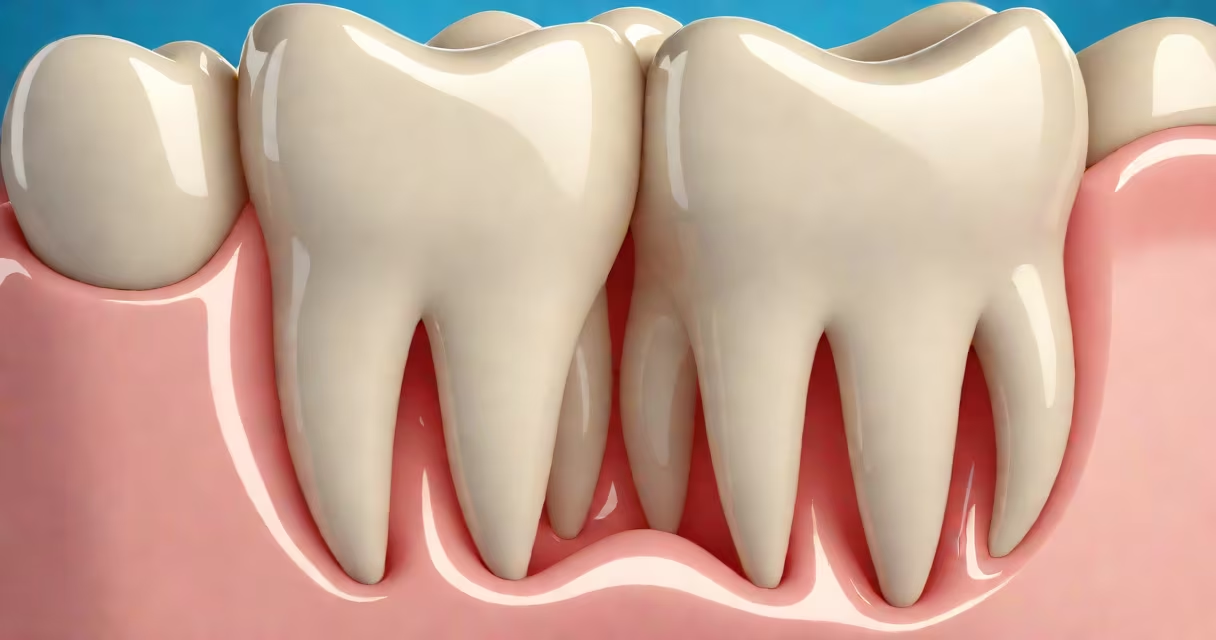
Tooth very sensitive to hot and cold happens when the protective enamel layer wears away or gums recede, exposing the underlying dentin. This exposes tiny tubules leading to the nerve, causing sharp pain when temperature changes occur.
Dentin is naturally porous and contains microscopic channels that transmit stimuli to the nerve. When these channels are exposed, hot or cold substances trigger rapid fluid movement within them, activating nerve endings. This results in brief but intense pain, often described as a jolt or stabbing sensation.
The condition affects approximately 35% of adults, according to the American Dental Association (ADA), and is most common in people aged 20 to 40. It rarely resolves on its own and typically worsens without treatment.
Enamel covers the crown of the tooth, while cementum protects the root. Both materials shield the dentin beneath. When either layer erodes or recedes, dentin becomes accessible to external stimuli.
When hot or cold liquids contact exposed dentin, fluid shifts inside the tubules. This movement stimulates nerves in the pulp chamber, sending pain signals to the brain. The process is known as the hydrodynamic theory, supported by research from the Journal of Clinical Dentistry.
A single exposure event doesn't cause lasting damage. But repeated triggers-like sipping ice water or eating frozen yogurt-can lead to chronic discomfort and increased sensitivity over time.
Several factors contribute to tooth very sensitive to hot and cold. The most frequent include:
Some cases involve localized sensitivity-only one tooth reacts. This often points to a specific issue like a cavity, crack, or recent dental work. Generalized sensitivity across multiple teeth suggests systemic causes such as bruxism (teeth grinding) or acid exposure.
| Cause | Typical Location | Associated Signs |
|---|---|---|
| Enamel wear | Front teeth, molars | Visible wear, yellowing |
| Gum recession | Lower front teeth | Exposed roots, bleeding gums |
| Tooth fracture | Back teeth | Pain during chewing, visible crack |
| Recent dental work | Anywhere affected | Temporary, lasts 2-4 weeks |
Tooth very sensitive to hot and cold is often mistaken for a cavity or infection. However, cavities usually cause constant pain, especially when biting down. Sensitivity to temperature alone, without lingering pain, points more strongly to dentin exposure.
Another confusion arises with trigeminal neuralgia-a neurological condition causing facial pain. Unlike neuralgia, which involves sharp, unpredictable bursts unrelated to food or drink, dental sensitivity follows a clear pattern tied to temperature.
A non-obvious distinction: sensitivity after professional teeth whitening is normal and temporary. The bleaching agents penetrate enamel and affect nerve activity. Most patients see improvement within two weeks. Persistent sensitivity beyond that may indicate underlying damage.
I treated a 32-year-old woman who reported sharp pain when drinking coffee or eating ice cream. She had no history of toothaches or swelling. On examination, her lower premolars showed visible gum recession and exposed root surfaces. Fluoride varnish applied at the base of the affected teeth reduced symptoms within five days.
She was advised to switch to a soft-bristled toothbrush and use a desensitizing toothpaste containing potassium nitrate. After six weeks, she reported no episodes of pain during daily activities. Her case illustrates how localized gum recession leads to targeted sensitivity, not widespread decay.
Self-care helps mild cases. Desensitizing toothpastes-such as Sensodyne Repair & Protect-contain ingredients that block tubules and reduce nerve transmission. They require consistent use for two to four weeks to show effect.
If pain persists beyond a month, or if sensitivity spreads to multiple teeth, consult a dentist. A single tooth sensitive to cold may need a filling if decay is present. Multiple teeth reacting suggest a systemic issue like acid erosion from frequent soda consumption.
For persistent issues, a dentist may apply a bonding agent or recommend a fluoride treatment. In severe cases, a crown or root canal may be needed if the pulp is inflamed.
One underreported factor: nighttime grinding. Many patients don't realize they grind their teeth until a dentist finds worn enamel. A night guard can prevent further damage and reduce sensitivity over time.
For those experiencing ongoing discomfort, tooth filling sensitive to hot and cold may be a sign of improper placement or material reaction. A follow-up visit ensures the filling isn't creating micro-leaks or pressure on the nerve.
Other sensations-like a cold feeling on tooth-can stem from referred pain or sinus pressure. But if the sensation is sharp and localized to a specific tooth, it's likely dental in origin. More on this shows how misdiagnosis delays proper care.
Ignoring tooth very sensitive to hot and cold risks worsening damage. Untreated dentin exposure can lead to irreversible pulpitis, requiring root canal therapy. Prevention through proper oral hygiene and early intervention reduces long-term complications.