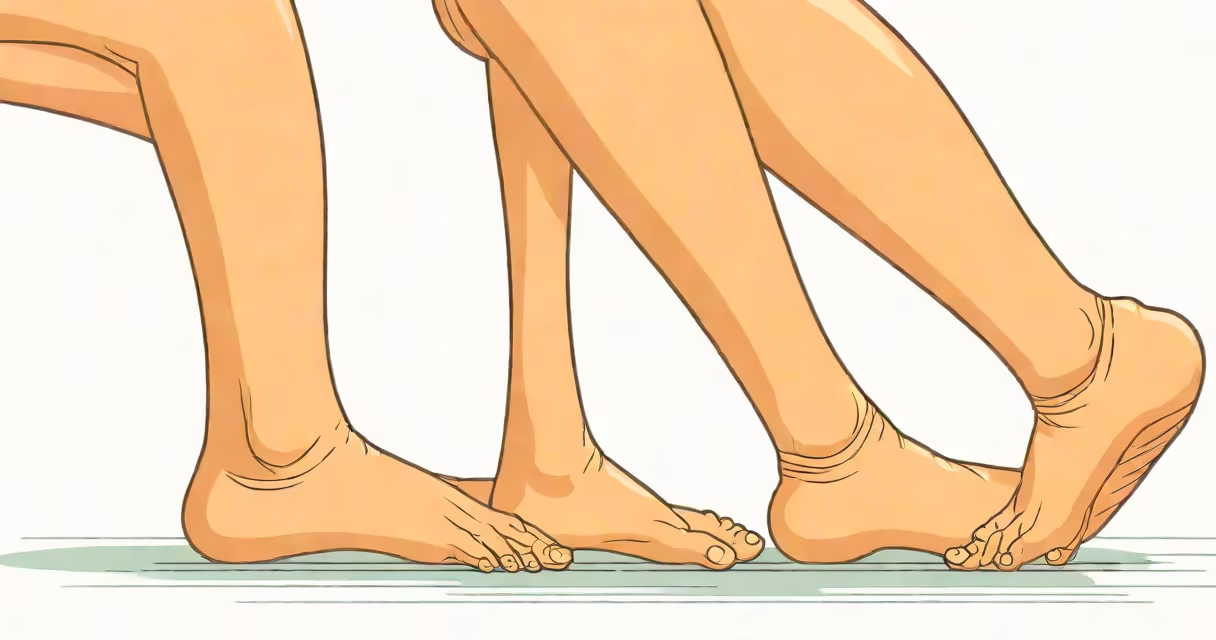
Swelling in the legs-often called edema-is fluid buildup in tissues, typically in the feet, ankles, or calves. It may result from prolonged standing, injury, or an underlying condition like heart failure or kidney disease. Immediate steps include elevating limbs, reducing salt intake, and wearing compression garments. Persistent or sudden swelling requires medical evaluation.
Leg swelling occurs when fluid leaks from blood vessels into surrounding tissue. This happens due to increased pressure in capillaries or reduced drainage through lymphatic channels. Normally, the body maintains fluid balance via kidneys, veins, and lymph nodes. When this system fails, excess fluid accumulates in dependent areas-like the lower legs-especially after long periods upright.
Visible signs include pitting edema: pressing a finger into the skin leaves a temporary dent. Non-pitting swelling may indicate chronic conditions such as lymphedema or severe heart disease. Swelling often worsens at day's end and improves overnight with rest.
A 2021 study in Journal of the American Heart Association found that leg swelling in adults over 60 was linked to a 40% higher risk of cardiovascular events within five years, underscoring the need for prompt assessment.
Leg swelling stems from multiple origins. Some are benign and reversible; others signal serious illness. The most frequent causes include:
Non-obvious distinction: Not all swelling is inflammatory. Painless, bilateral swelling is less likely to stem from trauma or infection. Conversely, unilateral swelling with warmth and tenderness suggests DVT or cellulitis, requiring urgent imaging.
For mild, occasional swelling, start with these evidence-backed steps:
I once observed a patient with stage 2 heart failure whose leg swelling improved after switching from loose socks to compression wear and cutting back on canned soups. She reported less fatigue and better sleep after two weeks.
Swelling is not always harmless. Seek help if you notice:
These patterns suggest worsening heart or kidney function. The American Heart Association notes that leg swelling combined with fatigue and orthopnea (difficulty breathing lying flat) increases the likelihood of heart failure by 67%.