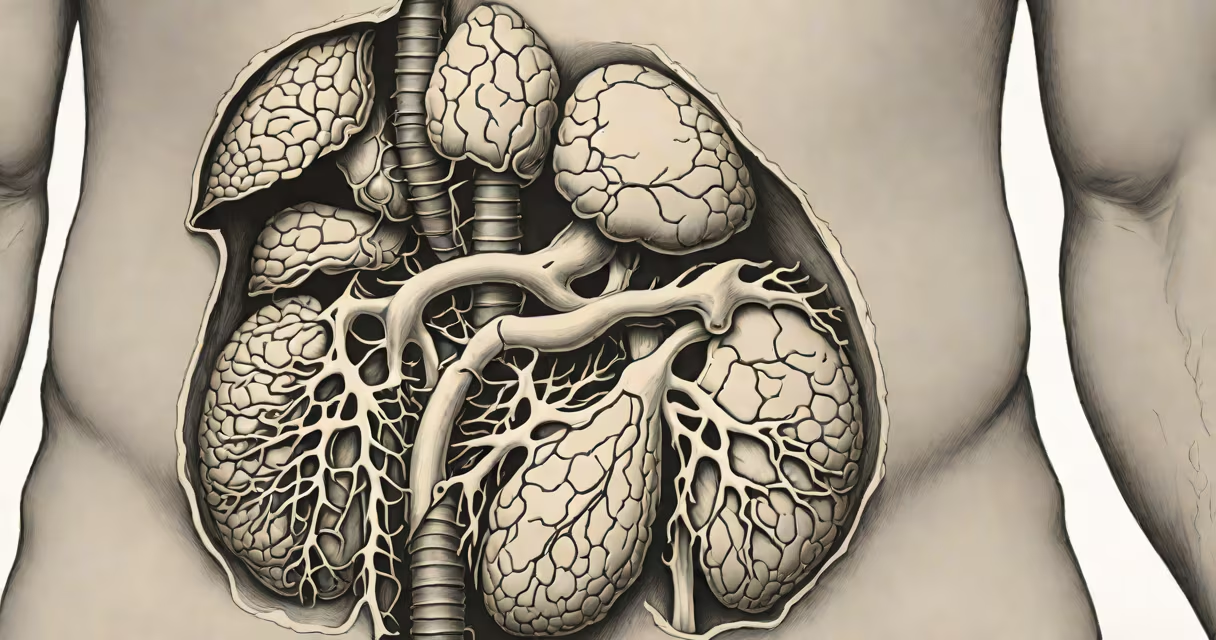
Spleen pain typically arises from injury, infection, or systemic illness affecting the organ's function or structure. It often presents as sharp or dull discomfort in the left upper abdomen, sometimes radiating to the left shoulder. The spleen is not a pain-sensitive organ under normal conditions, so pain usually indicates structural change or pressure.
The spleen sits beneath the left rib cage, tucked between the stomach and the diaphragm. It filters blood, removes old red blood cells, and supports immune response. When damaged or enlarged, it can trigger pain due to stretching of the capsule surrounding it. This pain may worsen with deep breathing or movement.
Common triggers include blunt trauma from falls or sports injuries, viral infections like mononucleosis, or chronic conditions such as autoimmune disorders. In rare cases, tumors or blood disorders can cause spleen enlargement. Pain is rarely isolated-it often accompanies fever, fatigue, or unexplained bruising.
Pain occurs when the spleen enlarges (splenomegaly) or becomes injured. The organ's outer capsule contains nerve endings; stretching or tearing activates these nerves. A ruptured spleen is a surgical emergency, often resulting from high-impact trauma.
Non-traumatic causes include infections such as Epstein-Barr virus (EBV), which causes infectious mononucleosis. Up to 90% of people with mono develop splenomegaly, though most don't report pain. When pain does occur, it's usually mild and resolves within weeks.
Chronic conditions like hemolytic anemia or sickle cell disease increase spleen workload. Over time, the organ may enlarge and press on nearby structures. In these cases, pain may be persistent and accompanied by anemia symptoms such as pallor and shortness of breath.
Conditions causing spleen pain fall into three categories: traumatic, infectious, and systemic. Trauma accounts for nearly half of acute spleen injuries seen in emergency departments.
| Type | Common Causes | Typical Symptoms | Prevalence |
|---|---|---|---|
| Traumatic | Car crashes, contact sports, falls | Sudden left upper abdominal pain, tenderness, shock signs | ~40% of acute spleen injuries |
| Infectious | Mononucleosis, malaria, tuberculosis | Gradual left-sided pain, fever, fatigue | Up to 90% of mono patients have splenomegaly |
| Systemic | Hemolytic anemia, leukemia, sarcoidosis | Chronic pain, weight loss, easy bruising | Rare, but linked to 10-15% of unexplained splenomegaly cases |
Mononucleosis is a frequent misdiagnosis. Patients often assume their left-side pain is muscle strain. But in a study published in Clinical Infectious Diseases, 62% of young adults with mono reported left upper quadrant pain before diagnosis.
Another overlooked cause is hypersplenism-a condition where the spleen overactive and destroys blood cells prematurely. This leads to low platelets, anemia, and fatigue. Diagnosis requires imaging and blood tests, not just symptom reports.
Left upper abdominal pain that worsens with movement or deep breaths signals possible rupture. A ruptured spleen can lead to internal bleeding, hypotension, and shock. According to the American College of Surgeons, mortality from untreated splenic rupture exceeds 30%.
Pain that lasts more than 48 hours, especially with fever or unexplained bruising, demands evaluation. Sudden onset after minor trauma-like a fall while walking-should prompt immediate imaging. Ultrasound or CT scan confirms splenic injury.
I've seen a patient arrive at urgent care with left-sided pain after a bicycle fall. He'd dismissed it as soreness. By the time he returned with dizziness and pale skin, a CT showed a 3 cm laceration. He required surgery. This case underscores that even minor trauma can damage the spleen.
Spleen pain is often mistaken for gastritis, pancreatitis, or kidney stones. Gastritis causes burning pain in the upper middle abdomen, not the left side. Pancreatitis pain radiates to the back. Kidney stones cause flank pain and blood in urine.
Left upper quadrant pain specifically suggests spleen, stomach, or colon involvement. The spleen's location makes it hard to differentiate from gastric issues. However, spleen-related pain doesn't improve with antacids and may be associated with petechiae or prolonged bruising.
A key differentiator is the presence of systemic symptoms. If pain is accompanied by night sweats, unintentional weight loss, or persistent fever, consider lymphoma or tuberculosis. These require specialized testing beyond standard imaging.
Initial assessment includes physical exam and blood work. A complete blood count may reveal low hemoglobin or abnormal white cell counts. Liver function tests help rule out hepatic causes.
Imaging is critical. Ultrasound detects splenomegaly and fluid around the spleen. CT scans identify lacerations, hematomas, or ruptures. In one study, CT sensitivity for detecting splenic injury reached 98%.
Treatment depends on severity. Minor injuries may heal with rest and observation. Severe cases require angiography to stop bleeding or surgery to remove the spleen (splenectomy). Post-splenectomy patients face higher infection risk, particularly from encapsulated bacteria like pneumococcus.
For infectious causes, antibiotics or antivirals treat the root issue. Mononucleosis resolves on its own; patients are advised to avoid contact sports for six weeks to prevent rupture.
Ignoring spleen pain risks complications. Early diagnosis prevents rupture and reduces long-term health impacts. Always consult a provider when pain persists beyond a few days or worsens with activity.