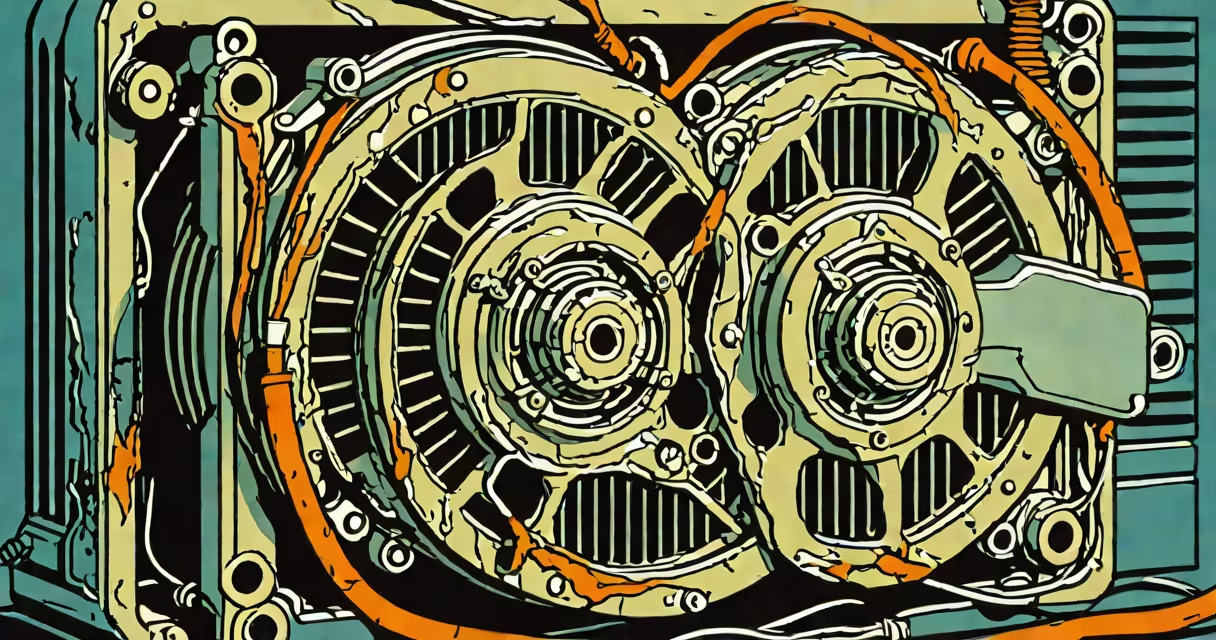
An ac compressor fails when internal components degrade due to lack of lubrication, electrical issues, refrigerant loss, or contamination. These failures disrupt cooling and often require replacement.
The ac compressor is the heart of a vehicle's or building's air conditioning system. It pressurizes refrigerant gas, enabling heat transfer from indoors to outdoors. When it stops working, cooling ceases entirely. Failures typically result from mechanical wear, fluid shortages, or electrical faults rather than sudden, unexplained breakdowns.
Most compressors last between 8 and 15 years under normal conditions. However, premature failure occurs when maintenance is skipped or system issues go undetected. A compressor doesn't fail overnight-it degrades over time due to stressors that compound if ignored.
Ac compressors use a rotating mechanism-usually a scroll or piston design-to draw in low-pressure refrigerant vapor, compress it into high-pressure gas, and send it to the condenser. This process requires consistent lubrication from compressor oil mixed with refrigerant.
Internal parts include pistons, rollers, shaft seals, and bearings. These components endure constant friction and temperature swings. Over time, metal fatigue, wear, and heat buildup cause failure. For example, a seized bearing can lock the compressor rotor, halting rotation entirely.
Modern systems use electronic controls and variable-speed compressors. These have more sensors and circuitry, increasing vulnerability to voltage spikes or software glitches. A faulty clutch relay can prevent engagement, mimicking a failed compressor even when the unit is intact.
Low refrigerant levels are the most common cause of compressor damage. Without sufficient refrigerant, the system cannot absorb heat properly. This forces the compressor to run longer, generating excessive heat. According to the Air Conditioning Contractors of America (ACCA), 60% of compressor failures stem from refrigerant-related issues.
Contamination is another major factor. Debris such as metal shavings, moisture, or sludge enters the system during repairs or from degraded hoses. Moisture reacts with refrigerant to form corrosive acids that eat away at seals and windings. The U.S. Department of Energy notes that even trace amounts of water can reduce compressor lifespan by up to 40%.
Electrical faults include blown fuses, shorted wiring, or failing clutch coils. A weak clutch won't engage the compressor pulley, leading to intermittent cooling. Some vehicles display error codes like P0530 (low refrigerant pressure) or P0531 (high pressure) when the compressor struggles to maintain pressure.
Oil starvation occurs when the compressor lacks proper lubrication. Oil circulates through the system with refrigerant. If oil drains out due to improper charging or a leak, metal parts rub together and seize. A technician can detect this by checking oil levels in the accumulator or sight glass.
Physical damage from road debris, overheating, or improper installation also leads to failure. A bent shaft or cracked housing prevents safe operation. In one case study, a technician replaced a compressor after finding metal fragments in the expansion valve-evidence of internal wear that had gone unnoticed for months.
| Failure Type | Common Signs | Typical Fix |
|---|---|---|
| Low refrigerant | Weak airflow, ice on lines, low pressure readings | Recharge system, fix leak |
| Electrical fault | Compressor doesn't engage, clicking noise | Replace relay, test clutch coil |
| Contamination | Debris in filter, strange noises, poor cooling | Flush system, replace dryer |
| Oil starvation | High discharge temps, scuffed internal parts | Check oil level, refill if needed |
| Worn bearings | Grinding or squealing sounds, vibration | Replace compressor |
Automotive ac systems face harsh environments. Vibrations, heat cycles, and exposure to salt and dust accelerate wear. A 2022 study by SAE International found that compressors in vehicles driven in coastal regions failed 2.3 times faster than those in dry climates due to corrosion.
Residential systems are less exposed to vibration but still vulnerable. A clogged air filter reduces airflow over the evaporator coil. This causes the refrigerant to stay too cold, leading to liquid refrigerant flooding back into the compressor-a condition called "slugging." This can bend connecting rods or crack housings.
One overlooked issue is incorrect refrigerant charge. Overcharging increases pressure beyond safe limits. Undercharging starves the system, causing the compressor to overheat. Both scenarios shorten service life. Technicians use gauges and weight-based charging methods to avoid errors.
Many assume a failed compressor always needs replacing. That's false. A compressor may fail because of a downstream problem-like a blocked expansion valve or a clogged receiver/drier. Fixing the root cause can save hundreds of dollars.
Another myth is that adding oil fixes a low-oil condition. While some systems allow topping off, injecting oil without removing contaminants risks clogging the system. The correct procedure includes flushing the entire system and replacing the drier.
I once diagnosed a 2015 Honda Accord with a non-engaging compressor. After testing the clutch coil and verifying voltage, I discovered a corroded ground wire at the firewall. Replacing the wire restored function. The compressor itself was fine. This case shows that symptoms mimic failure when the real issue lies elsewhere.
A customer brought in a 2018 Ford F-150 with repeated ac compressor failures. The first replacement lasted six months. The second failed after three weeks. Diagnosis revealed a faulty expansion valve that restricted flow. This caused pressure imbalances and overheating.
After replacing the valve and flushing the system, the new compressor ran for over two years without issues. The initial failures were not the compressor's fault-they were symptoms of a deeper system flaw. This case underscores the importance of diagnosing the whole system, not just replacing parts.
When troubleshooting, always check for leaks, verify refrigerant levels, inspect electrical connections, and rule out contamination. Skipping steps leads to repeated failures and higher costs.
If you're experiencing cooling issues, what causes bad indigestion isn't related-but understanding system interdependence is key. Just as digestive distress stems from multiple factors, ac failure rarely has a single root. Addressing all variables ensures long-term reliability.
Preventive maintenance-such as annual inspections, refrigerant checks, and filter replacements-can extend compressor life. Most manufacturers recommend servicing the system every 12,000 miles or annually, whichever comes first.
Understanding what causes an ac compressor to go bad helps avoid costly mistakes. Focus on system health, not just component replacement. A well-maintained system runs efficiently and lasts longer.