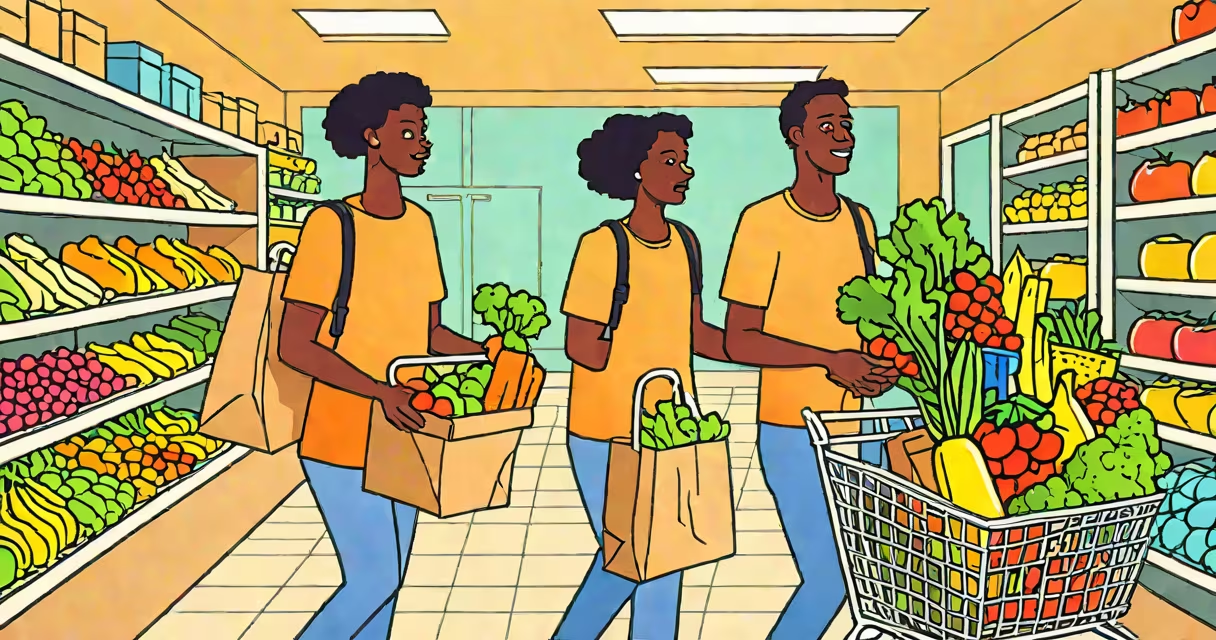
Altruism means intentionally helping others without seeking personal reward, recognition, or benefit. It involves prioritizing another's well-being over one's own interests, even when doing so incurs a cost. This concept lies at the heart of ethical systems, evolutionary biology, and social psychology.
Altruism is not simply kindness or generosity-it requires a conscious choice to act in another's interest despite potential personal sacrifice. True altruism occurs when the helper gains nothing tangible in return, such as praise, material goods, or future favor. The action is driven solely by concern for the other's welfare.
According to the American Psychological Association, altruistic behavior is a core component of prosocial actions-behaviors intended to benefit others. These behaviors include donating time, money, or resources to causes, volunteering, or intervening in emergencies. Altruism is distinct from reciprocal altruism, where help is given with the expectation of future return.
Altruism operates through both psychological and biological mechanisms. From a psychological standpoint, empathy-the ability to understand and share another's feelings-is a major driver. People who score high on empathy scales are more likely to engage in altruistic acts, especially when they perceive someone in distress.
Neuroscience shows that altruistic behavior activates brain regions linked to reward processing. A 2016 study published in *Nature Communications* found that when people donated to charity, their ventral striatum-a key area in the brain's reward system-lit up similarly to when they received money themselves. This suggests that altruism may be hardwired to provide internal satisfaction, even if no external reward exists.
Evolutionary biologists have long debated whether altruism can exist in nature. Charles Darwin noted that group cooperation enhances survival, and later theories like kin selection explain altruism among relatives. For example, worker bees risk their lives to protect the hive because they share genes with the queen and her offspring. This form of altruism is genetically advantageous, even if the individual dies.
Altruism is not a single behavior but a spectrum of actions categorized by intent and context. The table below outlines the primary forms:
| Type | Description | Example |
|---|---|---|
| True Altruism | Helping without any expectation of return, even at personal cost. | Donating blood anonymously after a disaster. |
| Reciprocal Altruism | Helping now with the assumption of future help in return. | Sharing food with a neighbor during a shortage, knowing they'll return the favor. |
| Costly Signaling | Performing generous acts to demonstrate status or reliability. | A wealthy donor giving $1 million to a university, partly to gain public respect. |
| Empathic Altruism | Motivated by emotional connection to another's suffering. | Volunteering at a homeless shelter after meeting someone sleeping on the street. |
A common misconception is that altruism is rare or purely idealistic. In reality, people perform altruistic acts daily-often without realizing it. Giving directions to a lost tourist, holding a door open, or offering a seat on a crowded bus are small-scale examples. These actions don't require grand gestures to qualify as altruistic.
Another misunderstanding is equating altruism with self-sacrifice. While some altruistic acts involve risk or loss, many do not. Helping a colleague finish a report under a tight deadline benefits both parties. The key is intention-not outcome. If the goal is to support the other person regardless of personal cost, it counts as altruism.
Altruism plays a measurable role in healthcare, education, and community resilience. During the 2020 pandemic, volunteers in cities like New York and Mumbai organized food delivery networks for isolated seniors and low-income families. These efforts were largely sustained by individuals who gave time and supplies without pay or formal recognition.
In education, teachers often go beyond required duties-staying late to tutor struggling students, covering lessons for absent colleagues, or providing materials to students without funds. Research from the University of Michigan (2021) found that teachers who reported higher levels of altruistic motivation had lower burnout rates and better student outcomes.
One fully worked example: In 2019, a man in Seattle noticed a woman collapse on a sidewalk. He performed CPR until paramedics arrived. He did not know her. He had no medical training. He acted based on instinct and concern. His action saved her life. There was no reward, no public acknowledgment. This is a clear case of true altruism-action taken solely to aid another, with no expectation of return.
Altruism is frequently mistaken for related concepts. Charity is often seen as altruistic, but not all charitable acts are. If a donation is made to gain tax benefits or public acclaim, it falls under costly signaling rather than pure altruism.
Similarly, obedience to authority or social norms is not altruism. Following rules out of fear of punishment or desire for approval lacks the intentional focus on another's welfare. For example, a soldier following orders to evacuate civilians may be protecting lives-but if the motivation is duty, not care for those people, it's not altruism.
There's also a difference between altruism and compassion. Compassion is feeling sorrow for another's pain. Altruism is acting on that feeling. You can feel compassion without acting. Altruism requires both awareness and action.
One non-obvious fact: Altruism can be contagious. A 2018 study in *Science Advances* showed that observing someone perform a kind act increased the likelihood that bystanders would help others within minutes. This "ripple effect" suggests altruism spreads through social environments, reinforcing collective well-being.
I once witnessed a man in a subway station hand his last sandwich to a visibly hungry teenager. He didn't speak. He just placed it on the bench beside him and walked away. No one saw it happen. No camera caught it. But the teenager ate it slowly, then looked around, eyes wet. That moment stayed with me-not because of the food, but because the gesture required no exchange, no recognition, no promise of return. It was pure altruism.
Understanding what altruism means helps clarify ethical decisions, improve team dynamics, and strengthen communities. It informs policies on emergency response, disaster relief, and mental health support. Knowing the difference between genuine altruism and behavior driven by reputation or obligation allows us to evaluate actions more accurately.