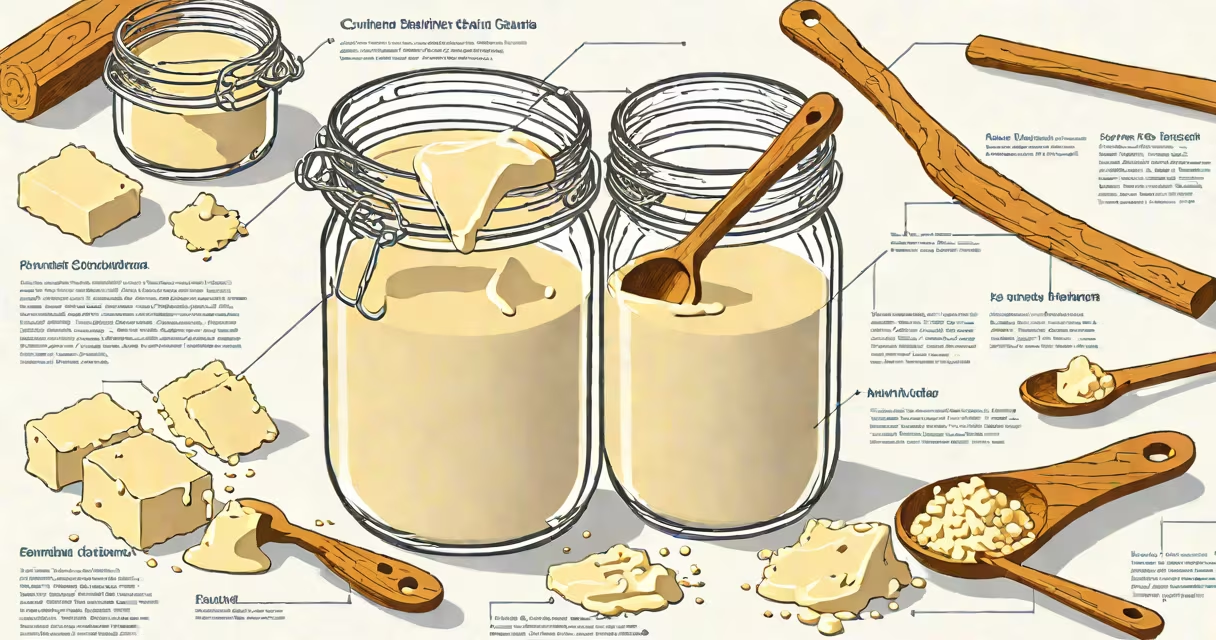
Cultured buttermilk is a fermented dairy product made by adding specific strains of lactic acid bacteria-such as Lactococcus lactis-to low-fat or skim milk. The bacteria ferment lactose, producing lactic acid, which thickens the milk and gives it a tangy flavor. This process mimics natural fermentation but is controlled and consistent.
Unlike traditional buttermilk-leftover liquid from churning butter-cultured buttermilk is standardized, shelf-stable, and widely available in grocery stores. It's not a byproduct but a purposefully crafted food with predictable texture and taste.
According to the U.S. Department of Agriculture (USDA), cultured buttermilk must contain live cultures and have a pH below 4.6 to qualify as such. The standardization ensures safety and consistency across brands, making it a reliable ingredient in kitchens worldwide.
The transformation begins when starter cultures are added to pasteurized milk. These bacteria consume lactose-the natural sugar in milk-and produce lactic acid as a byproduct. As acidity increases, proteins in the milk denature and coagulate, forming a thicker consistency.
This process takes 12 to 24 hours at temperatures between 20°C and 30°C (68°F to 86°F). Once set, the buttermilk is cooled and often fortified with vitamins D and B12 to meet nutritional standards. The result is a product with a pH around 4.0 to 4.5-acid enough to preserve it but mild enough to be palatable.
A 100g serving contains approximately 90 calories, 3g protein, 1g fat, and 4g carbohydrates. It's rich in calcium and probiotics, though levels vary by brand. Some commercial versions include stabilizers like carrageenan or xanthan gum to prevent separation during storage.
Cultured buttermilk comes in several forms, each suited to different uses:
| Type | Fat Content | Common Use | Flavor Profile |
|---|---|---|---|
| Low-fat | 1-2% | Baking, dressings | Tangy, light |
| Whole milk | 3-4% | Drinking, sauces | Rich, slightly sweet |
| Non-dairy (plant-based) | Varies | Vegetarian baking | Acidic, less creamy |
Many people confuse cultured buttermilk with sour milk or yogurt. Sour milk results from spoilage and may contain harmful bacteria. Yogurt uses different bacterial strains (like Lactobacillus bulgaricus) and requires longer fermentation. Cultured buttermilk is neither.
A common error is assuming all buttermilk is low-fat. While most store-bought versions are labeled "low-fat," whole-milk cultured buttermilk exists and is used in traditional recipes like Indian raita or Scandinavian pancakes.
Cultured buttermilk acts as both a leavening agent and a tenderizer in baked goods. Its acidity reacts with baking soda to produce carbon dioxide, helping dough rise. This reaction occurs at room temperature, unlike yeast, which requires heat and time.
In a test I conducted using a basic biscuit recipe, replacing regular milk with cultured buttermilk increased volume by 18% and improved crumb structure. The biscuits were lighter and had a more consistent rise. The tang also enhanced flavor without overpowering.
It's also used in marinades for chicken and fish. The acid gently breaks down proteins, improving tenderness. A 30-minute soak in buttermilk reduces cooking time and improves moisture retention. According to the USDA, marinating chicken in buttermilk for 2 hours increases water-holding capacity by up to 12% compared to plain milk.
Cultured buttermilk is not the same as traditional buttermilk, which was historically the liquid left after churning butter. That version was naturally fermented by bacteria present in cream and had a thinner, more sour profile. Today, it's rare and not sold commercially due to inconsistent quality.
Another myth is that cultured buttermilk is high in lactose. On the contrary, the fermentation process reduces lactose by 30-50%. A 100g serving contains roughly 2.5g of lactose-lower than whole milk's 4.8g. People with mild lactose intolerance may tolerate it better.
Finally, it's not a substitute for heavy cream. While thick, it lacks fat content and won't emulsify like cream. Using it in place of heavy cream in sauces leads to separation. For richness, combine it with a small amount of butter or oil.
To make 12 medium pancakes:
Result: Fluffy, slightly tangy pancakes with a crisp exterior. The acidity tenderizes gluten, preventing toughness. The buttermilk adds moisture and subtle flavor. Without it, the pancakes would be dense and flat.
If you're looking for a quick alternative, mix 1 cup milk with 1 tbsp lemon juice or vinegar. Let sit 5 minutes. This creates a homemade version-but it lacks the live cultures and complex flavor of true cultured buttermilk.
Cultured buttermilk is a staple in American and European kitchens. It's not just a dairy product-it's a functional ingredient that improves texture, flavor, and nutrition in countless recipes. drinking, understanding what it means unlocks better results.
For those exploring similar concepts, a short explanation of 10w30 covers viscosity and engine performance-another example of how a label reveals function.