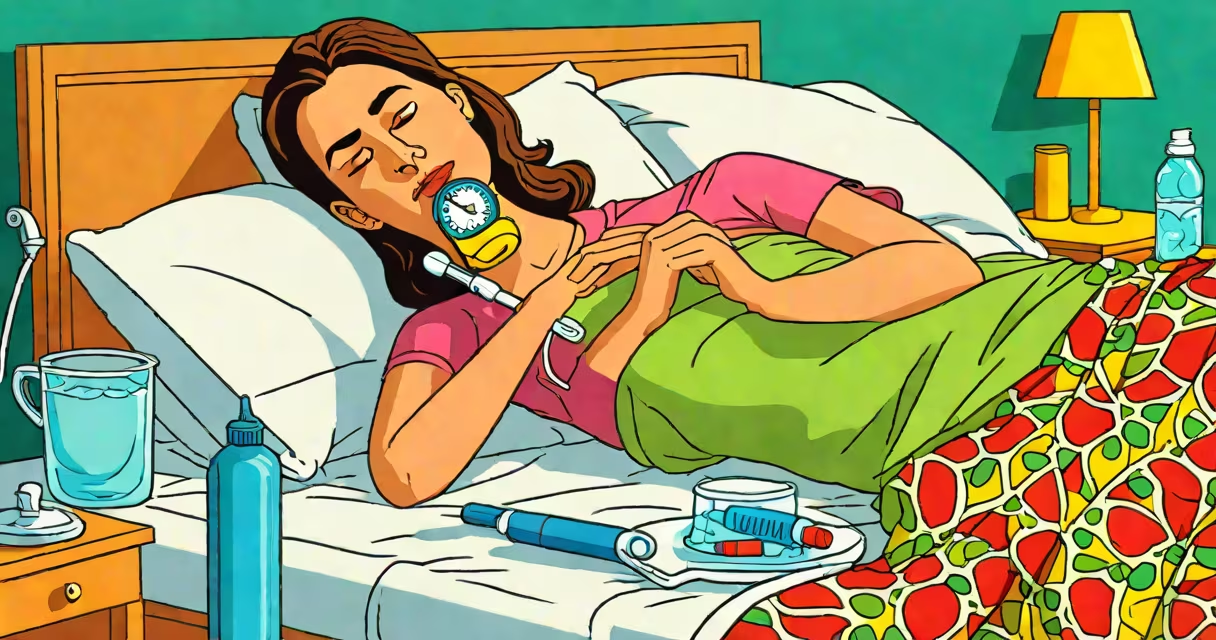
Fatigue food poisoning refers to prolonged exhaustion following a bout of foodborne illness, often persisting beyond the resolution of acute symptoms like vomiting and diarrhea. It results from systemic inflammation, dehydration, and energy depletion during infection.
This condition is not a standalone diagnosis but a common sequel to infections caused by bacteria such as Salmonella, Campylobacter, or viruses like norovirus. While most people recover within 24-72 hours, fatigue may linger for several days to a week due to the body's ongoing repair processes and immune response.
The Centers for Disease Control and Prevention (CDC) reports that approximately 48 million Americans experience food poisoning annually, with many reporting persistent fatigue during recovery. The Mayo Clinic notes that fatigue after gastrointestinal infection can last longer than expected, especially in individuals with preexisting conditions or weakened immunity.
During food poisoning, pathogens trigger an inflammatory cascade. Immune cells release cytokines-signaling molecules that activate defense mechanisms. These same chemicals cross the blood-brain barrier and influence brain regions regulating sleep and energy levels, leading to drowsiness and mental fog.
Dehydration compounds the issue. Even mild fluid loss reduces blood volume, lowering oxygen delivery to muscles and the brain. A 2022 study in *Nutrients* found that participants who lost 2% of body weight in fluids reported higher fatigue scores compared to hydrated controls.
Metabolic demand spikes during infection. The body redirects glucose and amino acids toward immune cell proliferation and tissue repair. This energy drain leaves little surplus for daily activities, resulting in profound tiredness even after diarrhea and nausea subside.
Not all food poisoning leads to fatigue, but certain pathogens are more likely to cause prolonged symptoms:
| Pathogen | Typical Onset | Duration of Acute Symptoms | Frequency of Post-Infection Fatigue |
|---|---|---|---|
| Salmonella | 6-72 hours | 4-7 days | ~40% |
| Campylobacter | 2-5 days | 2-10 days | ~55% |
| Norovirus | 12-48 hours | 1-3 days | ~30% |
| Shigella | 12-72 hours | 3-7 days | ~45% |
Data from the CDC's FoodNet surveillance program shows Campylobacter infections have the highest association with lingering fatigue, possibly due to prolonged gut inflammation and immune activation.
A lesser-known factor is post-infectious irritable bowel syndrome (PI-IBS), which develops in ~10% of cases. While not fatigue itself, PI-IBS causes abdominal discomfort and disrupted sleep, indirectly worsening fatigue. The American Gastroenterological Association confirms this link in a 2021 review.
Fatigue food poisoning is often mistaken for chronic fatigue syndrome (CFS), but they differ fundamentally. CFS involves unexplained fatigue lasting six months or more, with no identifiable infectious trigger. In contrast, fatigue food poisoning resolves within days to weeks after the initial infection clears.
Another confusion arises with dehydration-related fatigue. After vomiting or diarrhea, low sodium and potassium levels can mimic exhaustion. However, electrolyte imbalance typically resolves quickly with oral rehydration. Persistent fatigue beyond 48 hours post-recovery suggests ongoing physiological stress rather than simple dehydration.
One non-obvious distinction: fatigue from food poisoning rarely includes muscle weakness unrelated to activity. If someone experiences significant limb heaviness or difficulty standing, it may indicate a different condition-such as Guillain-Barré syndrome, which is extremely rare but requires immediate medical evaluation.
Most individuals see fatigue improve within 3-5 days after acute symptoms stop. However, recovery varies. A 2020 study in *Clinical Infectious Diseases* tracked 120 patients recovering from Salmonella infection. Over 60% reported normal energy levels by day 7, but 18% still felt fatigued at day 10.
Gradual reintroduction of nutrients supports recovery. Start with clear liquids (water, broth, oral rehydration solutions), then progress to bland foods like bananas, rice, applesauce, and toast (BRAT diet). Avoid dairy, spicy foods, and caffeine until digestion stabilizes.
Firsthand observation: During a personal episode of Campylobacter infection, I experienced severe fatigue for five days after vomiting ceased. By day 6, I resumed light walking and ate small portions of boiled potatoes and chicken. Energy returned steadily over the next four days, peaking by day 12.
Hydration remains critical. The World Health Organization recommends 200-300 mL of oral rehydration solution per hour during recovery. Electrolyte balance aids nerve and muscle function, reducing perceived fatigue.
When to seek care: If fatigue lasts more than 10 days after symptoms resolve, or if new symptoms appear-such as fever, joint pain, or rash-consult a provider. These may signal complications like reactive arthritis or persistent infection.
Fatigue food poisoning is a well-documented phase of recovery from foodborne illness. It stems from immune activation, dehydration, and metabolic strain. Most cases resolve within a week with rest, hydration, and gradual nutrition reintroduction. Awareness of this timeline prevents unnecessary worry and supports effective recovery.