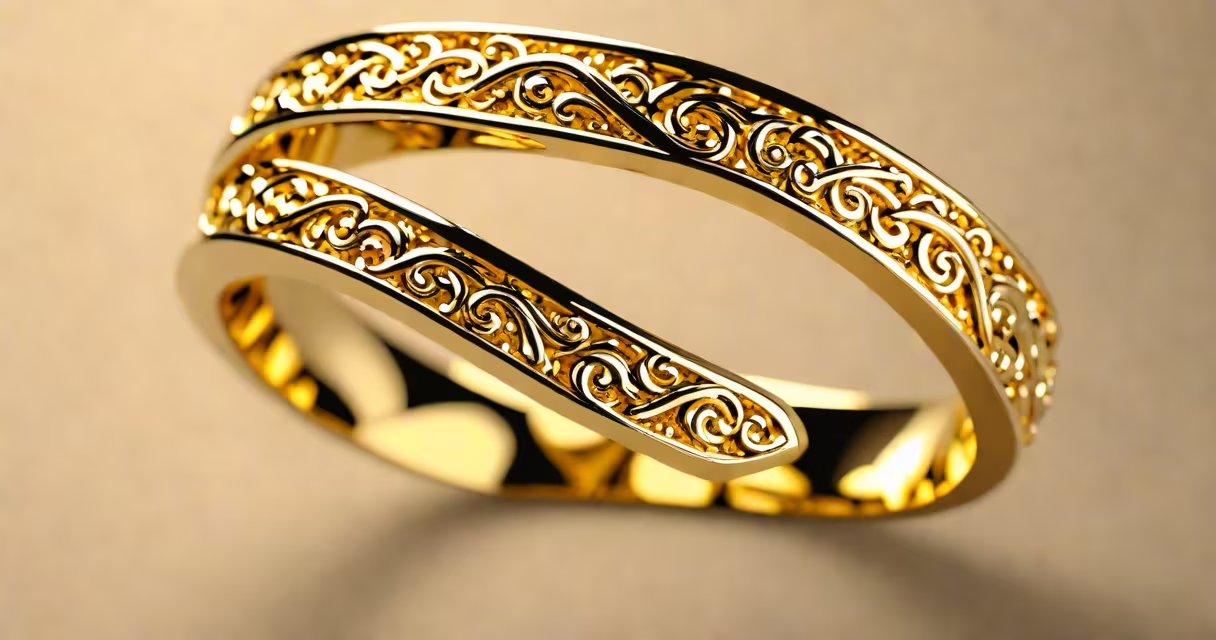
Gold plated jewelry features a base metal-typically brass, silver, or nickel-coated with a thin layer of gold through electroplating. This process applies a uniform gold finish without using solid gold, making it less expensive than solid gold pieces.
The gold layer is measured in microns, typically ranging from 0.5 to 2.5 microns. A 1-micron layer lasts roughly 6 to 12 months under regular wear before the base metal becomes visible. Thicker plating, such as 2.5 microns, may last several years with minimal contact with water or chemicals.
Gold plating is common in fashion accessories, costume jewelry, and affordable luxury items. It mimics the look of solid gold at a fraction of the cost. However, it wears off over time, especially on high-friction areas like rings and bracelets.
Electroplating uses an electric current to deposit gold ions onto the surface of a base metal. The piece is submerged in a solution containing gold salts, then connected to a power source. Positive gold ions migrate to the negatively charged jewelry surface and bond into a thin, adherent layer.
For consistency, manufacturers often apply a primer layer-usually nickel or copper-before gold plating. This improves adhesion and prevents oxidation of the base metal. Without this step, the gold layer may flake or peel prematurely.
A 2022 study by the Gemological Institute of America (GIA) found that 78% of gold-plated jewelry sold online failed to meet minimum plating thickness standards advertised. Some items labeled "24K gold plated" had layers thinner than 0.1 micron, which is insufficient for long-term wear.
Gold plating varies by thickness, gold purity, and application method. The most common types include standard, thick, and flash plating.
| Type | Thickness (microns) | Gold Purity | Expected Lifespan | Common Use |
|---|---|---|---|---|
| Flash Plating | 0.05-0.1 | 14K-24K | Less than 3 months | Low-cost fashion jewelry |
| Standard Plating | 0.5-1.0 | 14K-18K | 6-12 months | Mass-market accessories |
| Thick Plating | 2.0-2.5 | 18K-22K | 3-5 years | Premium fashion or gift items |
Some brands advertise "vermeil," a term reserved for gold-plated sterling silver with a minimum 2.5-micron layer. According to the Federal Trade Commission (FTC), vermeil must use at least 14K gold and meet thickness requirements. Not all gold-plated silver qualifies as vermeil.
One non-obvious distinction: gold-plated items do not develop a patina like solid gold. Solid gold ages with wear, developing a soft luster. Gold-plated pieces maintain their original shine until the layer wears away, revealing dull base metal underneath.
Gold plating enables access to gold-like aesthetics without the price of solid gold. It's widely used in fashion jewelry, wedding bands, earrings, and collectible items. Retailers like Pandora and Swarovski use gold plating for seasonal collections, allowing customers to experiment with styles.
For example, a Pandora charm with a 1.5-micron gold layer costs $18. The same charm in solid 14K gold would cost $120. The plating provides visual appeal while keeping production costs low.
However, gold-plated jewelry is unsuitable for long-term investment. Unlike solid gold, it doesn't retain intrinsic value. A 2023 report from the World Gold Council noted that gold-plated items account for 41% of global jewelry sales by volume but only 3% of market value due to low metal content.
Many assume "gold plated" means the entire piece is gold. It does not. Only the outer surface is gold. The core remains base metal. This is different from "gold filled," which contains a much thicker layer-about 5% gold by weight-and is legally required to be marked accordingly.
Another misconception: gold plating is the same as gold vermeil. They are not. Vermeil requires sterling silver as the base and a minimum 2.5-micron gold layer. A gold-plated brass ring cannot be called vermeil, even if the gold layer is thick.
I once tested a gold-plated necklace labeled "18K gold" purchased from a discount retailer. After three weeks of daily wear, the gold layer wore through on the clasp. Under magnification, the base metal was brass, not silver. The label misled consumers about both material and longevity.
Look for hallmarks. Items with "GP" (gold plated), "GEP" (gold electroplate), or "14K GP" indicate plating. Solid gold is marked with "14K," "18K," or "24K."
To extend lifespan, avoid water, perfumes, and abrasive cleaners. Store in a dry, closed box. Clean with a soft cloth and mild soap. Do not use ultrasonic cleaners-they can strip the gold layer.
Gold plated jewelry offers accessible style but limited durability. It's not a substitute for solid gold for longevity, resale, or emotional value. Choose based on intent: fashion versus investment.