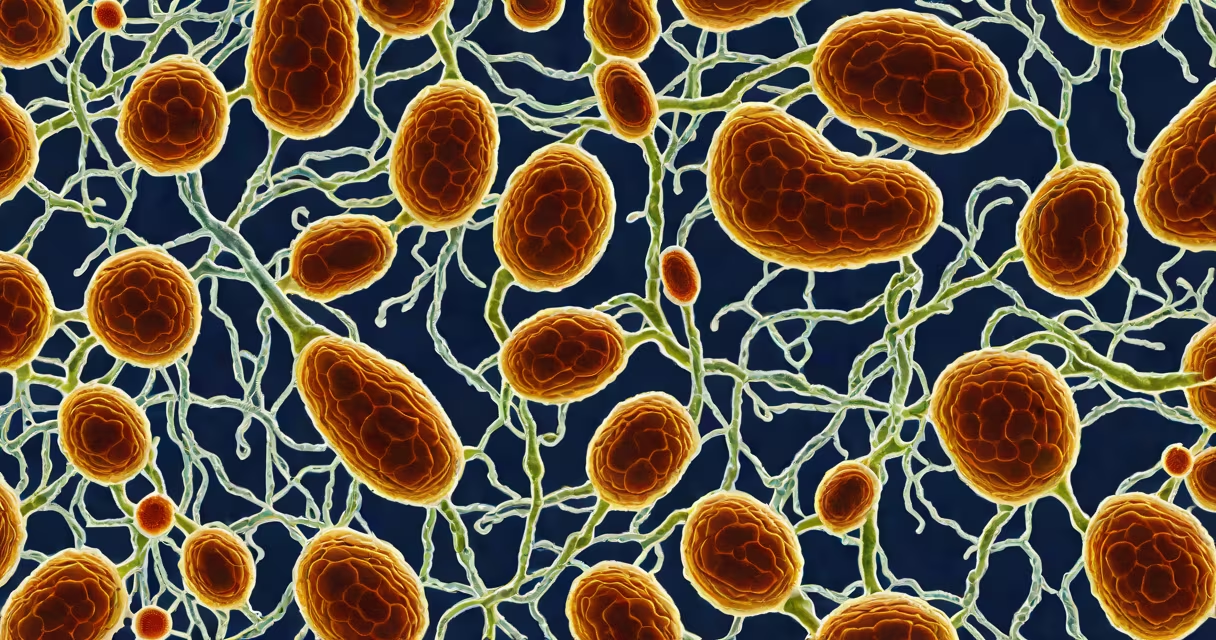
Uropathogenic Escherichia coli (UPEC) is a strain of E. coli that specifically causes urinary tract infections (UTIs), primarily in the bladder and kidneys. It accounts for over 80% of community-acquired UTIs in adults and uses specialized virulence factors to invade, survive, and replicate within host urinary tissues.
UPEC belongs to the Enterobacteriaceae family and is genetically distinct from commensal gut E. coli. Its ability to cause disease stems from a set of acquired genes encoding adhesins, toxins, iron-scavenging systems, and secretion apparatuses. These traits allow UPEC to adhere to uroepithelial cells, resist urine flow, evade immune detection, and establish persistent intracellular reservoirs.
Unlike general E. coli strains found in feces, UPEC is not a normal inhabitant of the gastrointestinal tract. It enters the urinary system via the urethra, often during sexual activity or poor hygiene. Once inside, it rapidly colonizes the bladder mucosa using P fimbriae to bind to Galα(1-4)Galβ receptors on host cells. This binding triggers actin rearrangement, allowing UPEC to be internalized into bladder cells-a process known as invasion.
After entry, UPEC survives inside bladder cells by forming intracellular bacterial communities (IBCs). These structures grow rapidly, reaching densities of 10⁶ colony-forming units per cell within 6 hours. IBCs are protected from both antibiotics and immune cells, enabling long-term persistence.
Once established, UPEC exits the host cell through a process called extrusion, releasing bacteria into the bladder lumen. This allows reinfection of adjacent cells and facilitates transmission to new hosts. Some UPEC strains can also form biofilms on catheters or renal tissue, further complicating treatment.
A 2021 study published in *Nature Microbiology* identified that UPEC strains isolated from recurrent UTI patients frequently carry the *papG* gene variant associated with high-affinity binding to kidney tubules. This genetic trait correlates with increased risk of pyelonephritis-kidney infection-compared to strains lacking it.
UPEC employs multiple molecular tools to overcome host defenses. The primary ones include:
These factors are encoded on pathogenicity islands-genomic regions acquired through horizontal gene transfer. The presence of multiple such islands in UPEC genomes indicates evolutionary adaptation to the urinary niche.
Many people assume all E. coli cause UTIs. That's incorrect. Only ~10% of E. coli isolates are pathogenic, and among those, UPEC is defined by specific virulence markers, not just species identification. A urine culture positive for E. coli does not automatically mean UPEC is responsible unless phenotypic or genotypic testing confirms pathogenicity.
Another misconception is that UPEC infections are always acute and easily treatable. In reality, UPEC can persist for weeks to months in asymptomatic carriers due to intracellular survival. This leads to relapses even after apparent cure with standard antibiotics.
UPEC is also not synonymous with multidrug-resistant (MDR) E. coli. While MDR E. coli strains do exist and contribute to treatment failure, UPEC itself is not inherently resistant. Resistance develops through mutations or acquisition of resistance genes-such as *qnr* or *bla*NDM-after exposure to antibiotics.
Diagnosing UPEC requires both clinical symptoms (dysuria, frequency, suprapubic pain) and laboratory confirmation. A urine sample with ≥10⁵ CFU/mL of E. coli on culture suggests infection. Molecular testing for virulence genes like *papA*, *sfa*, and *fimH* can confirm UPEC status, though these tests are not routine in most clinics.
First-line treatments include nitrofurantoin, trimethoprim-sulfamethoxazole, and fosfomycin. However, resistance rates have risen sharply. According to the CDC's 2023 Antibiotic Resistance Report, 34% of UPEC isolates in outpatient settings were resistant to fluoroquinolones like ciprofloxacin. This makes ciprofloxacin ineffective in many cases.
Consider a 32-year-old woman presenting with fever, flank pain, and cloudy urine. A urine dipstick shows leukocyte esterase and nitrites. Culture grows E. coli at 1.2 × 10⁶ CFU/mL. PCR testing detects *papG* and *fimH* genes-confirming UPEC.
She is prescribed ciprofloxacin 500 mg twice daily for 7 days. After 3 days, her symptoms worsen. Repeat urine culture shows no growth, but she continues to have fever. A CT scan reveals a perinephric abscess.
Further testing identifies the isolate as resistant to ciprofloxacin due to a GyrA mutation (Ser83Phe). The patient is switched to IV ceftriaxone and later oral levofloxacin. She improves over 10 days. The failure was due to pre-existing resistance-not poor compliance.
This case illustrates that UPEC is not always susceptible to common antibiotics. Resistance can emerge before treatment begins, especially in areas with high antibiotic use.
One underappreciated aspect of UPEC biology is its ability to remain dormant in bladder cells for months. A 2020 study in *The Journal of Infectious Diseases* found that 18% of women with recurrent UTIs had detectable UPEC DNA in bladder biopsies-even during symptom-free intervals. This explains why some patients relapse despite negative urine cultures.
These latent infections may be triggered by stress, hormonal changes, or concurrent illness. They represent a major challenge in eradicating UTIs completely.
Uropathogenic E. coli (UPEC) is a specialized subset of E. coli responsible for the majority of urinary tract infections. It uses targeted adhesion, invasion, and immune evasion mechanisms to colonize the bladder and kidneys. Its pathogenicity stems from acquired virulence genes, not inherent properties of the species.
Understanding UPEC is essential for accurate diagnosis and effective treatment. Resistance to common antibiotics like ciprofloxacin is increasingly common, requiring susceptibility testing. Persistent intracellular forms explain recurrence and complicate eradication.
When managing UTIs, clinicians must consider UPEC-specific characteristics, including its potential for asymptomatic carriage and resistance development. Early recognition of these features improves outcomes and reduces unnecessary antibiotic use.