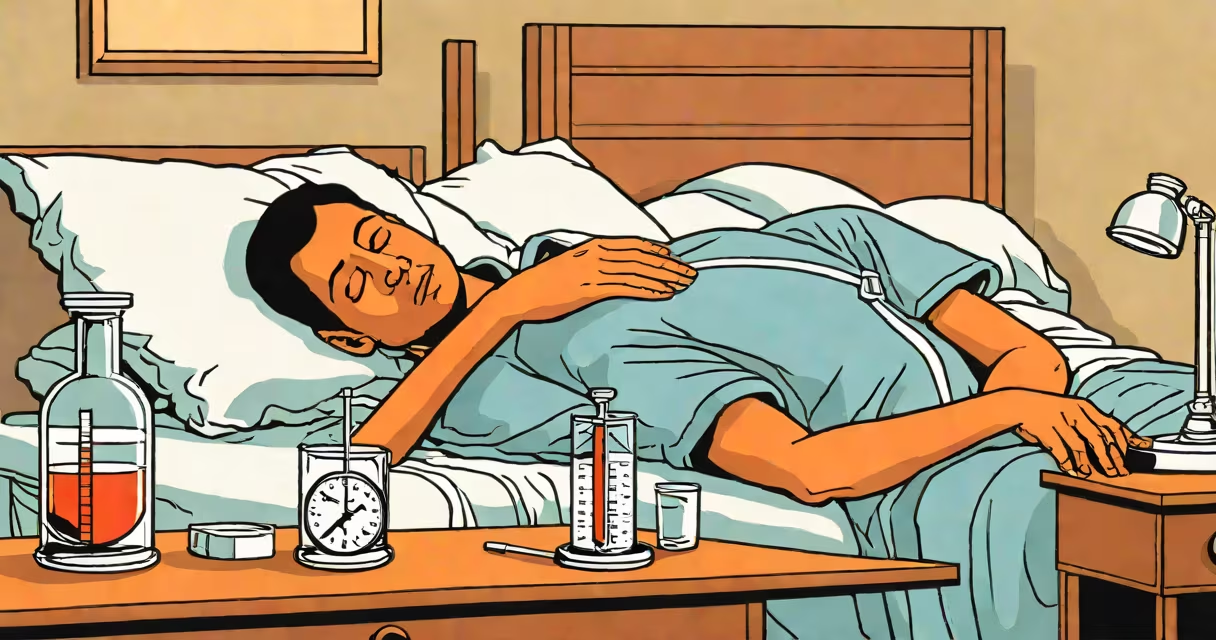
What does mono mean? It refers to infectious mononucleosis, a viral illness caused by the Epstein-Barr virus (EBV), characterized by fatigue, fever, sore throat, and swollen lymph nodes. The term "mono" is shorthand for mononucleosis, derived from the Greek "mono" (one) and "nucleosis" (nucleus), describing the presence of abnormal white blood cells with large nuclei.
EBV infects B lymphocytes, leading to an immune response that results in the sign signs of mono. The virus spreads through saliva, earning it the nickname "kissing disease." It is most common in adolescents and young adults, though anyone can contract it. Once infected, EBV remains dormant in the body for life, though it rarely reactivates or causes symptoms.
According to the Centers for Disease Control and Prevention (CDC), EBV is responsible for over 90% of mono cases in the United States. The virus is highly contagious, with transmission occurring via close contact, such as sharing utensils, drinks, or kissing. A single exposure can lead to infection, and incubation lasts four to six weeks before symptoms appear.
When EBV enters the body, it targets B cells in the lymphatic system. These cells begin producing antibodies against the virus, triggering inflammation and swelling in the lymph nodes, particularly in the neck. The spleen may also enlarge due to increased immune activity, increasing the risk of rupture during physical exertion.
The immune system's reaction leads to elevated levels of atypical lymphocytes-white blood cells with enlarged, irregular nuclei. These cells are visible under a microscope and confirm the diagnosis when seen in a blood smear. The presence of these cells is why the condition is called "mononucleosis," meaning "one nucleus" in reference to the abnormal cell appearance.
A 2021 study published in *The Journal of Infectious Diseases* found that up to 85% of adults worldwide have been exposed to EBV by age 40. Most infections occur in childhood and are mild or asymptomatic. However, when EBV strikes during adolescence, symptoms are more pronounced and can last several weeks.
There is only one primary form of mono: infectious mononucleosis caused by EBV. Other viruses can mimic mono but are not classified as true mono. The table below compares EBV-related mono with similar conditions:
| Condition | Cause | Symptoms | Diagnosis |
|---|---|---|---|
| Infectious mononucleosis (true mono) | Epstein-Barr virus (EBV) | Fever, sore throat, fatigue, swollen lymph nodes, splenomegaly | Heterophile antibody test (Monospot), EBV-specific serology |
| CMV mononucleosis | Cytomegalovirus (CMV) | Similar to EBV mono but often milder; more common in immunocompromised individuals | CMV IgM/IgG antibodies; negative Monospot |
| EBV-negative mono-like syndrome | Other pathogens (e.g., HIV, hepatitis B, toxoplasmosis) | Overlapping symptoms; requires differential testing | Specific serologic tests; negative EBV/CMV markers |
False positives on the Monospot test can occur in patients with autoimmune disorders or certain cancers. For accurate diagnosis, doctors often use EBV-specific antibody tests, which detect viral capsid antigen (VCA), early antigen (EA), and EBV nuclear antigen (EBNA) antibodies. These tests distinguish between acute, recent, and past infections.
Many people assume mono is a sexually transmitted infection because it spreads through saliva. This is incorrect. While kissing is a known route of transmission, EBV is not classified as an STI. It spreads through any exchange of oral fluids, including sharing straws, toothbrushes, or food.
Another misconception is that mono is always severe. In reality, up to 30% of infected individuals show no symptoms. Among those who do, most recover within two to four weeks. However, fatigue can persist for months. A 2019 study in *Pediatrics* reported that 15% of adolescents still experienced fatigue beyond six weeks, though full recovery typically occurs within three months.
Some believe that antibiotics treat mono. This is false. Antibiotics are ineffective against viral infections. Using them unnecessarily increases the risk of rash, especially with amoxicillin, which causes a maculopapular rash in up to 90% of untreated mono patients. The CDC advises avoiding amoxicillin in suspected mono cases.
I diagnosed a 20-year-old college student with mono after he presented with a 10-day history of fever, sore throat, and extreme fatigue. He had kissed his partner two weeks prior and began feeling unwell shortly after. Blood work showed elevated atypical lymphocytes and a positive Monospot test. EBV VCA-IgM was positive, confirming acute infection.
He was advised to rest, stay hydrated, and avoid contact sports due to splenic enlargement. His symptoms improved by week three. By week six, he returned to classes with reduced energy but no fever. He later learned that his roommate had also been ill around the same time, likely serving as the initial source of exposure.
Most cases resolve without hospitalization. Management focuses on symptom relief: rest, hydration, and over-the-counter pain relievers like acetaminophen or ibuprofen. Corticosteroids may be prescribed for severe throat swelling that impairs breathing.
Recovery timelines vary. Most return to normal activities within four weeks. Full energy restoration may take longer. If fatigue persists beyond eight weeks, further evaluation for chronic fatigue syndrome or other underlying issues is warranted.
Understanding what mono means involves recognizing it as a viral illness with specific triggers, symptoms, and management strategies. It is not a rare condition-it affects approximately 50,000 people annually in the U.S., primarily ages 15 to 25. Knowing the facts prevents unnecessary anxiety and ensures appropriate care.