A sequel is a narrative work-film, book, game, or show-that continues the story, characters, or setting introduced in a prior work. It follows the original chronologically, often expanding on unresolved plot points or character arcs. The term originates from Latin *sequi*, meaning "to follow."
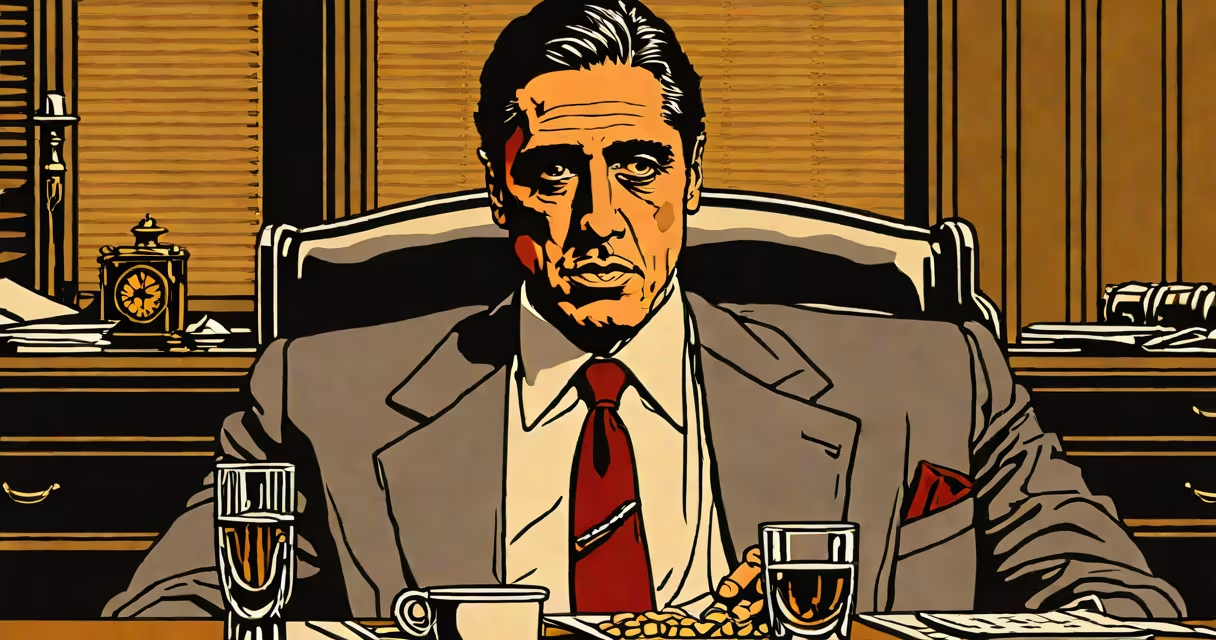
Sequels are not merely repeats. They build on established foundations, using familiar elements to deepen audience engagement. A sequel may begin immediately after the original ends or skip time, depending on narrative intent. For example, *The Godfather Part II* (1974) interweaves the rise of young Vito Corleone with his son Michael's descent into power, creating a dual timeline that expands the family saga.
According to the Motion Picture Association, over 60% of top-grossing films released between 2010 and 2022 were sequels or franchise entries. This reflects both audience demand and industry reliance on proven intellectual property. However, not all sequels succeed-critical reception varies widely based on execution, pacing, and faithfulness to the original tone.
Sequels function by maintaining continuity. They assume the viewer or reader knows the original story. Plot developments in the sequel depend on decisions, relationships, or events established earlier. Without this context, the narrative loses emotional weight and coherence.
For instance, *Star Wars: Episode V - The Empire Strikes Back* (1980) builds on the events of *A New Hope*. Han Solo is frozen in carbonite, Luke Skywalker trains with Yoda, and Darth Vader reveals himself as Luke's father. These moments rely entirely on prior setup. Removing any of them would collapse the narrative structure.
Some sequels introduce new challenges while keeping core characters intact. Others pivot toward different themes. *The Dark Knight* (2008) shifts from superhero origin to moral ambiguity, using Batman's internal struggle and Joker's chaos as central drivers. The film remains a sequel to *Batman Begins* (2005), but evolves the genre's expectations.
Not all sequels are the same. They vary by format, timing, and narrative approach. Understanding these categories clarifies how creators reuse stories.
| Type | Description | Example |
|---|---|---|
| Direct Continuation | Starts immediately after the original ends. Minimal time jump. | *The Matrix Reloaded* (2003) picks up seconds after *The Matrix* (1999). |
| Time-Shifted Sequel | Years pass between installments. Character development is central. | *Toy Story 2* (1999) occurs months after the first film, focusing on Woody's identity crisis. |
| Parallel Timeline | Alternates between past and present narratives. Often explores cause and effect. | *The Godfather Part II* |
| Reboot or Reimagining | Resets continuity. May ignore earlier canon. | *Spider-Man: Homecoming* (2017) reboots the character for the Marvel Cinematic Universe. |
One common confusion is equating sequels with prequels. A prequel tells events that happened before the original. *The Godfather Part II* includes a prequel segment about Vito Corleone's early life. A sequel moves forward in time. Confusing the two disrupts narrative understanding.
Another frequent mix-up is treating sequels as spin-offs. A spin-off introduces new characters or settings while borrowing only the universe. *The Mandalorian* (2019) is set in the *Star Wars* universe but centers on Din Djarin, not Luke or Leia. It's not a sequel to any single film but a standalone series within a larger narrative structure.
Many people assume all sequels are commercial ventures. While franchises like *Fast & Furious* or *Marvel Cinematic Universe* prioritize box office returns, not all sequels serve profit motives. Some are artistic extensions. *The Last Jedi* (2017) was a creative risk, challenging fan expectations and altering character arcs. Its mixed reception illustrates that sequels aren't guaranteed success.
Another myth is that sequels must include the same lead actor. *The Lord of the Rings* trilogy features Frodo Baggins throughout, but *The Hobbit* trilogy is a prequel with a different protagonist (Bilbo Baggins). Despite shared lore, they're not sequels to each other. The films exist in different timelines, proving that shared worlds don't imply chronological connection.
I once attended a screening of *Avengers: Endgame* (2019) where fans reacted emotionally to the return of Tony Stark. His death in the film wasn't just a plot device-it was a narrative consequence of choices made in *Infinity War* (2018). That moment underscored how sequels accumulate emotional weight through cumulative storytelling. The payoff required two years of buildup, not just a single scene.
Sequels allow long-form exploration of complex themes. They enable character evolution over time, something impossible in a single narrative arc. A character's growth-like Luke Skywalker becoming a Jedi master or Michael Corleone losing his soul-requires multiple acts across multiple stories.
Academic research supports this. According to a 2021 study published in *Journal of Narrative Theory*, audiences perceive sequels as more emotionally resonant when they maintain consistent character motivations and thematic focus. When tone shifts abruptly-such as in *Superman II* (1980), which changed from heroic optimism to darker drama-the audience disengages.
Sequels also reflect cultural shifts. *The Hunger Games* series evolved from dystopian survival to political revolution. The shift mirrored growing youth activism in the 2010s. The story didn't just continue-it responded to real-world concerns.
When crafting a sequel, creators must balance familiarity with innovation. Too much repetition leads to fatigue. Too much change alienates fans. The sweet spot lies in honoring the original while introducing meaningful change. *The Dark Knight Rises* (2012) succeeded because it expanded Batman's legacy while confronting his limits-a theme absent in earlier films.
Understanding what a sequel means involves recognizing its role as both continuation and evolution. It's not just "more of the same." It's a structured extension of narrative space, grounded in cause and effect, character history, and audience investment.
For deeper insight into how titles and formats influence perception, explore what 10W30 means in engine oil. Or, if you're curious about financial systems, learn how ACH transactions work.