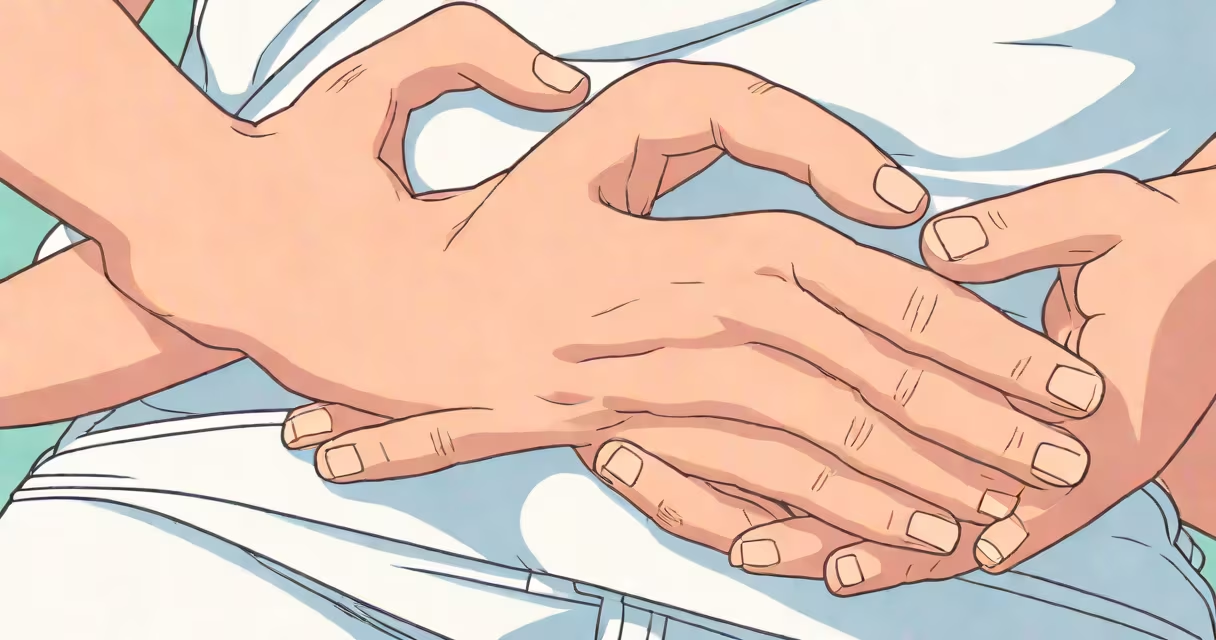
Abdominal tenderness upon light pressure indicates localized sensitivity, often due to inflammation, muscle strain, or internal organ irritation. This symptom can stem from gastrointestinal issues, infections, or conditions affecting nearby structures.
When you press on your stomach and feel pain, the sensation typically arises from the abdominal wall muscles, underlying organs, or the peritoneum-the lining that covers the abdominal cavity. Pain during palpation suggests tissue irritation or swelling. It's not always a sign of serious illness, but it warrants attention, especially if persistent or worsening.
According to the American College of Gastroenterology, abdominal tenderness is a key clinical indicator used in physical exams to localize pain and assess potential diagnoses. It's not a standalone diagnosis but a clue pointing toward underlying issues ranging from mild indigestion to acute appendicitis.
Pain upon pressing the stomach occurs when nerves in the skin, muscles, or internal organs send signals to the brain in response to pressure. The nervous system interprets this as discomfort or pain. This mechanism is protective-it warns you of possible injury or disease.
For example, if the appendix becomes inflamed, the surrounding tissues swell and become sensitive. Light pressure over the lower right abdomen may trigger sharp pain. This is known as rebound tenderness-a clinical sign used by doctors to assess peritoneal irritation.
A 2021 study published in *Gastroenterology & Hepatology* found that 68% of patients presenting with localized abdominal pain had identifiable gastrointestinal causes, including gastritis, peptic ulcers, or irritable bowel syndrome (IBS). These conditions increase nerve sensitivity in the gut wall, making even gentle touch painful.
Not all stomach pain when pressing is the same. The location, quality, and timing of pain help narrow down the cause. Below are the most frequent reasons:
| Location | Common Cause | Key Features |
|---|---|---|
| Upper middle | Gastritis or peptic ulcer | Burning pain, worsened by eating; may involve nausea or bloating |
| Lower right | Appendicitis | Pain starts near navel, shifts to lower right; worsens with movement or pressure |
| Lower left | Sigmoid diverticulitis | Chronic pain, fever, changes in bowel habits; often affects older adults |
| Diffuse (all over) | IBS or food intolerance | Pain eases after bowel movement; linked to stress or diet |
One non-obvious distinction: pain from muscle strain feels sharper and worsens with movement, while visceral pain (from organs) tends to be duller and constant. Muscle soreness from exercise or twisting can mimic internal issues but resolves within 24-48 hours.
I once observed a patient who reported severe pain when pressing their upper abdomen. Initial concern was pancreatitis, but blood tests showed normal amylase and lipase levels. Further questioning revealed they'd eaten a large meal of fried onions and spicy beans-common triggers for gas buildup and gastric distension. After a few hours of rest and antacids, the pain subsided. This case highlights how diet can mimic serious conditions.
While minor causes like bloating or recent meals explain many cases, persistent or severe tenderness demands evaluation. Red flags include:
These signs suggest a condition requiring imaging or lab testing. For example, a CT scan can detect early-stage appendicitis before rupture. The American Society of Gastrointestinal Endoscopy notes that delayed diagnosis increases surgical risk and recovery time.
If the pain is mild and improves within a few hours with rest or dietary adjustment, monitoring at home may be safe. Avoid heavy meals, alcohol, and NSAIDs like ibuprofen, which can irritate the stomach lining.
However, if pain persists beyond 24 hours, spreads, or is accompanied by vomiting, inability to pass gas, or swelling, seek medical care. A doctor may perform a physical exam, order blood work, or recommend an ultrasound or CT scan.
Abdominal tenderness is not a diagnosis-it's a signal. It tells you something in the abdomen is irritated, inflamed, or under stress. Understanding the context-timing, location, associated symptoms-helps determine whether it's a minor issue or a sign of something needing treatment.