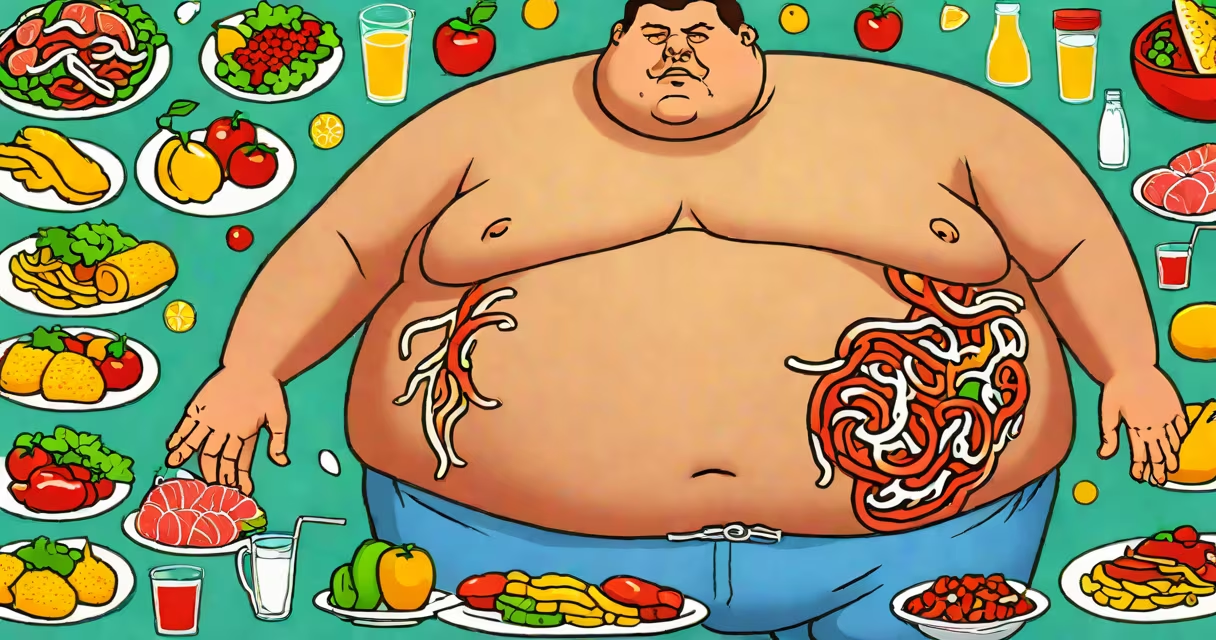
Obesity raises the risk of developing serious chronic conditions, including type 2 diabetes, cardiovascular disease, and several forms of cancer. It alters hormone function, increases inflammation, and places mechanical stress on organs, leading to progressive health decline.
Body mass index (BMI) above 30 classifies someone as obese. This state triggers systemic changes: fat cells release inflammatory proteins, insulin resistance develops, and blood pressure often rises. These shifts create a foundation for multiple diseases. The American Heart Association identifies obesity as a major modifiable risk factor for heart attacks and strokes.
Research from the National Institutes of Health shows that individuals with a BMI over 35 have a 60% higher risk of premature death compared to those with normal weight. The relationship between obesity and illness is not coincidental-it's causal, driven by biological mechanisms that affect nearly every organ system.
Excess adipose tissue doesn't just store energy-it actively secretes hormones and cytokines. Leptin and resistin, produced by fat cells, disrupt appetite regulation and insulin signaling. Chronic low-grade inflammation results from immune cell infiltration into fatty tissues, damaging blood vessels and pancreatic beta cells.
For example, high levels of free fatty acids released from visceral fat impair insulin action in muscle and liver. Over time, this leads to insulin resistance-the core defect in type 2 diabetes. The CDC reports that 90% of people with type 2 diabetes are overweight or obese, underscoring the direct connection.
A 2022 study published in *The Lancet* found that each 5-unit increase in BMI raised the risk of coronary artery disease by 18%. This effect persists even after adjusting for smoking, diet, and physical activity, proving that body fat itself drives vascular damage.
Obesity is a primary driver of several preventable diseases. The most well-documented include:
These conditions share common pathways: insulin resistance, hypertension, dyslipidemia, and chronic inflammation. Together, they form the metabolic syndrome cluster, which increases mortality risk by 3.5 times compared to individuals without any components.
| Disease | Risk Increase with Obesity | Source |
|---|---|---|
| Type 2 diabetes | 3-5× higher risk | NIDDK, 2021 |
| Coronary heart disease | 2.3× higher risk | AHA, 2020 |
| Endometrial cancer | 2.5× higher risk | NCI SEER data, 2023 |
| Severe sleep apnea | 4× higher prevalence | Journal of Clinical Sleep Medicine, 2021 |
Visceral fat-the deep abdominal fat surrounding organs-is particularly dangerous. It's metabolically active and strongly linked to insulin resistance and elevated triglycerides. Even normal-weight individuals with high visceral fat have increased disease risk, highlighting that body composition matters more than weight alone.
Many assume obesity only affects joints or appearance. But the real danger lies in internal organ dysfunction. For example, NAFLD affects up to 40% of adults with obesity, progressing to cirrhosis in 10-15% of cases. It's now the leading cause of liver transplants in the U.S., surpassing alcohol-related disease.
Another misconception is that weight loss reverses all damage. While losing 5-10% of body weight improves insulin sensitivity and lowers blood pressure, some structural changes persist. A 2023 study in *Nature Metabolism* showed that after sustained weight loss, individuals still had higher rates of cardiac fibrosis than those who maintained stable weight.
Not all fat is equal. Subcutaneous fat (under the skin) is less harmful than visceral fat. MRI scans reveal that men with central adiposity-even if their BMI is borderline-have twice the risk of heart failure compared to leaner men with similar waist-to-hip ratios.
Consider a 45-year-old woman with a BMI of 38, a waist circumference of 42 inches, and prediabetes. Her fasting glucose is 115 mg/dL, and her HbA1c is 6.1%. She begins a structured lifestyle intervention: 150 minutes of moderate exercise weekly, a Mediterranean-style diet, and behavioral counseling.
After 12 months, she loses 14 pounds (6.4 kg), reduces her waist size by 3 inches, and her HbA1c drops to 5.7%. Her insulin sensitivity improves by 40%, measured via hyperinsulinemic-euglycemic clamp testing. This outcome reflects findings from the Diabetes Prevention Program, where participants with obesity reduced diabetes onset by 58% through lifestyle changes.
Her case illustrates that while obesity causes disease, early intervention can reverse precursors. However, maintaining change requires ongoing support-relapse rates exceed 70% within five years without continuous monitoring.
If you have a BMI over 30 or a waist measurement exceeding 35 inches (women) or 40 inches (men), consult a healthcare provider. Screenings should include fasting glucose, HbA1c, lipid panel, liver enzymes, and blood pressure. An echocardiogram may be recommended if symptoms like fatigue or shortness of breath appear.
I've seen patients with normal cholesterol levels develop plaque buildup due to insulin resistance. One man, 52, had no symptoms until he experienced chest pain during a walk. His angiogram revealed 70% blockage in the left anterior descending artery-common in obese individuals with undiagnosed metabolic issues.
Weight-related symptoms such as snoring, daytime sleepiness, or unexplained fatigue may signal sleep apnea. A sleep study is essential. Untreated apnea worsens insulin resistance and increases stroke risk by 2.5 times.
Obesity is not a cosmetic issue-it's a medical condition that directly causes or accelerates numerous life-threatening illnesses. Type 2 diabetes, heart disease, stroke, liver disease, and several cancers are strongly tied to excess body fat, especially visceral fat.
Early diagnosis and consistent lifestyle changes reduce disease progression. Even modest weight loss-5-10% of body weight-improves biomarkers and lowers risk. Screening and regular follow-up are essential, especially for individuals with central adiposity.
Understanding what illnesses can obesity cause empowers prevention. The goal isn't perfection-it's sustained improvement in metabolic health.