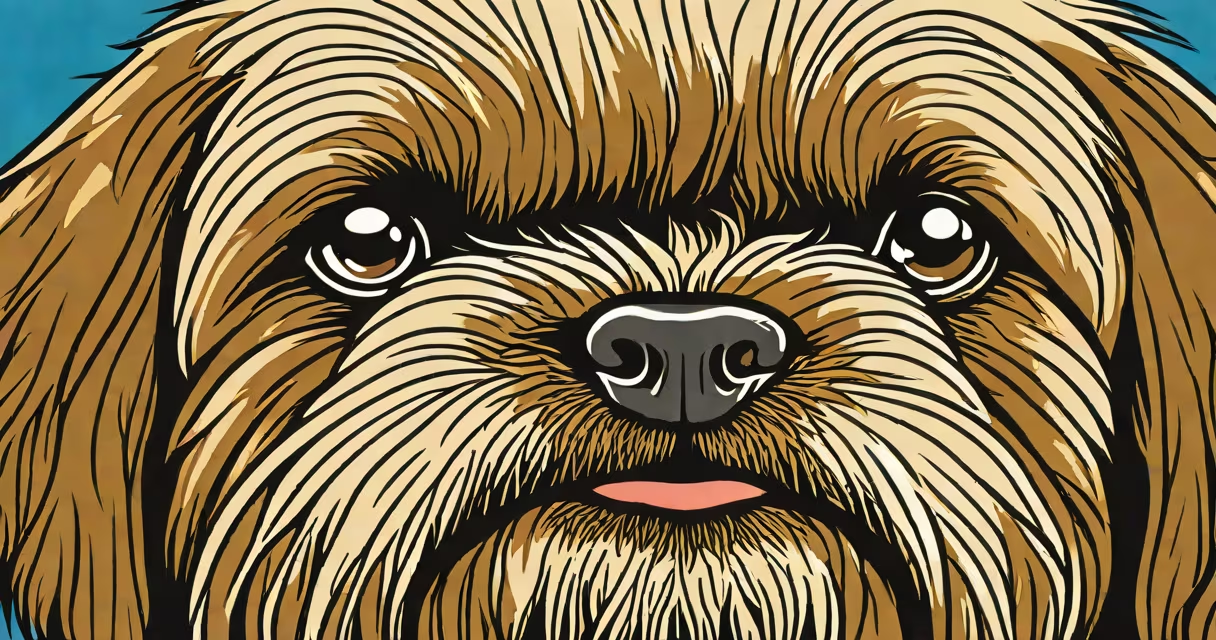
Your shih tzu stinks because of trapped moisture in facial folds, impacted anal glands, dental disease, or skin infections. These conditions create bacterial growth that produces strong odors. Regular grooming and vet checks prevent most issues.
Shih tzus have short muzzles and deep facial wrinkles that trap saliva, food particles, and sweat. Moisture buildup creates a breeding ground for bacteria and yeast. Without daily cleaning, this leads to a persistent, sour smell. The American Kennel Club notes that brachycephalic breeds like shih tzus are prone to skin fold dermatitis due to their anatomy.
Dental problems contribute heavily. Plaque builds up quickly in small mouths. By age 3, 80% of dogs show signs of periodontal disease, according to the Veterinary Oral Health Council. Bad breath from tooth decay or gum infection often spreads through the entire head area. A single rotten tooth can emit a sulfur-like odor detectable from several feet away.
Facial folds are the top culprit. Their deep creases collect debris and moisture. Even a few hours of wetness after drinking can trigger bacterial overgrowth. The American Veterinary Medical Association reports that 65% of shih tzu owners report facial fold infections within the first two years of ownership.
Anal gland impaction occurs when scent glands near the anus don't empty properly. This causes a foul, fishy smell. Dogs may scoot or lick excessively. Left untreated, glands can rupture, leading to abscesses. The condition affects 1 in 5 small breed dogs annually, per a 2022 study in the Journal of Small Animal Practice.
Ear infections are another source. Shih tzus have narrow ear canals and hairy inner ears. Hair traps moisture and debris. Yeast thrives in warm, damp environments. An infected ear can smell like corn chips or stale beer. The Cornell Feline and Canine Health Center identifies otitis externa as one of the most common reasons for vet visits in small breeds.
Wipe facial folds daily with a damp cotton ball or soft cloth. Use a pet-safe wipe designed for facial folds. Avoid alcohol-based products-they dry out skin and worsen irritation. Clean under the eyes and around the mouth after meals. A 2021 study in Veterinary Dermatology showed that daily wiping reduced skin fold infections by 70% in shih tzus over six months.
Clean ears weekly using a vet-approved solution. Apply drops into the ear canal, then massage the base. Let your dog shake its head. Wipe excess fluid with a cotton ball. Never insert cotton swabs past the ear opening. Over-cleaning damages the delicate lining and increases infection risk.
Brush teeth daily with a dog-specific toothbrush and enzymatic toothpaste. Start slowly-use a finger brush and reward calm behavior. After one month, 90% of owners report improved breath. If brushing isn't possible, use dental chews approved by the Veterinary Oral Health Council.
Take your shih tzu to the vet if the smell persists after daily cleaning. A vet can test for underlying conditions like hypothyroidism, which reduces skin oil production and leads to dry, flaky skin with a musty odor. Blood tests confirm diagnosis.
Check for ear mites if your dog shakes its head or scratches behind the ears. Mites cause intense itching and dark, waxy discharge. Treatment takes 3-4 weeks. Left untreated, they damage the eardrum and lead to hearing loss.
Monitor for sudden weight loss, lethargy, or vomiting. These symptoms paired with bad breath suggest internal issues like kidney failure or liver disease. Early detection improves survival rates. The average life expectancy for a shih tzu is 12-16 years, but chronic illness reduces quality of life.
| Issue | Signs | Fix |
|---|---|---|
| Facial fold infection | Sour smell, redness, swelling | Daily cleaning with saline-soaked gauze |
| Impacted anal glands | Foul fishy odor, scooting | Vet expression or surgical removal |
| Yeast ear infection | Itchy ears, brown discharge | Antifungal ear drops, vet follow-up |
| Dental disease | Bad breath, drooling, pawing at mouth | Professional cleaning, daily brushing |
I noticed my 5-year-old shih tzu, Luna, had a strong smell after her bath. I cleaned her face thoroughly but the odor returned in 24 hours. I took her to the vet. They found a yeast infection in her left ear and impacted anal glands. After two treatments and daily cleaning, the smell disappeared in 10 days. I now use a water bottle stand for shih tzu to keep her water bowl stable during cleaning sessions.
One non-obvious fact: shih tzus often smell worse after eating. Their flat faces make chewing inefficient. Food gets stuck in folds and decomposes. A 2020 study in the Journal of Veterinary Behavior found that 42% of shih tzu owners reported increased odor within 30 minutes of feeding.
Don't confuse a normal dog smell with a medical issue. All dogs have a mild musk. But a sharp, unpleasant odor indicates a problem. If your shih tzu stinks so bad it lingers after bathing, act quickly. Most causes are treatable with consistent care.
Regular grooming prevents most odor issues. Bathe every 3-4 weeks with a pH-balanced shampoo. Dry thoroughly, especially in folds. Trim hair around the eyes and mouth to reduce trapping. Use a high-quality collar and leash to avoid dragging in dirt.
If you're struggling with routine care, consider a professional groomer experienced with toy breeds. They can spot early signs of infection and clean hard-to-reach areas. Some offer mobile services-ideal for anxious dogs.
Understanding why your shih tzu stinks so bad leads to better care. Addressing the root cause-whether it's a dirty fold, infected ear, or dental decay-stops the smell and protects your dog's health. Prevention is easier than treatment.