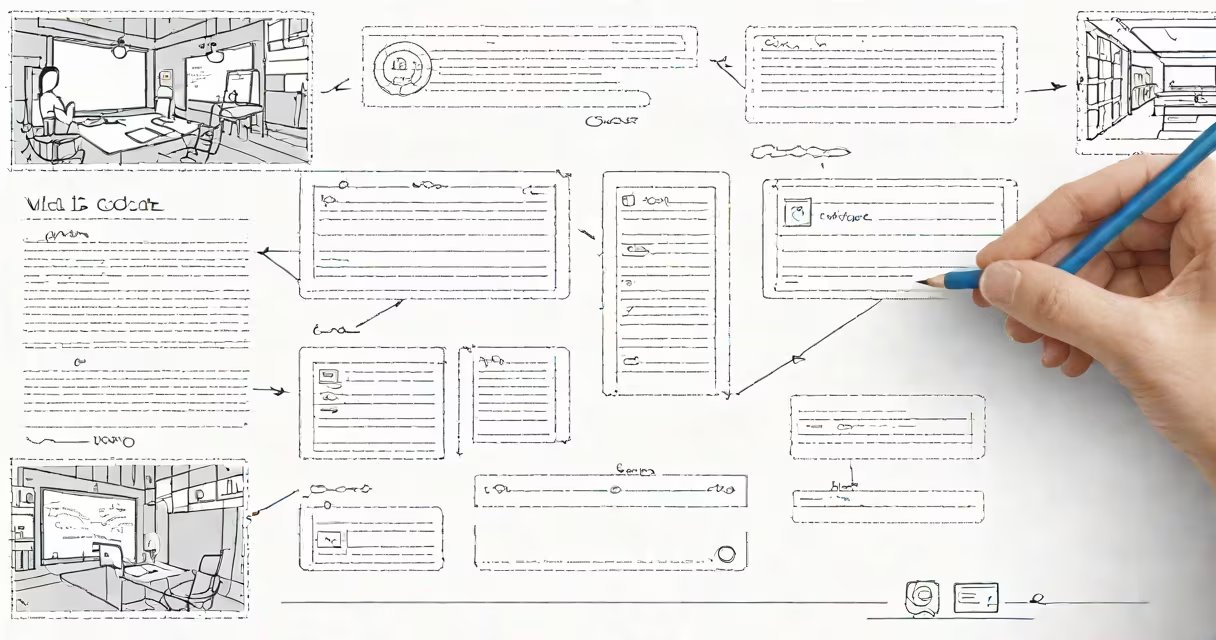
Low code no code refers to software development approaches that allow users to build applications with minimal hand-coding, using visual interfaces, pre-built templates, and automated workflows. These platforms reduce development time and technical barriers, enabling non-programmers to create functional apps quickly.
Traditional software development requires writing lines of code in languages like Python, JavaScript, or Java. Low code no code flips that model: instead of typing syntax, users arrange components-buttons, forms, databases-on a canvas. The platform generates the underlying code automatically. This shift makes application creation accessible to business analysts, project managers, and even frontline staff.
According to Gartner, by 2025, over 70% of new applications developed by enterprises will use low code or no code technologies. The same report notes that 65% of enterprise applications will be built with these tools, up from less than 25% in 2020. These figures reflect a structural shift in how organizations deploy digital solutions.
Low code no code platforms operate through a visual development environment. Users select elements-like a login form, a database connector, or a notification trigger-and drag them onto a design surface. They then define behavior through configuration panels, setting conditions like "if the user's role is admin, show the settings tab."
Behind the scenes, the platform compiles these choices into executable code. For example, selecting a "submit" button and linking it to a cloud database triggers the generation of API calls, authentication logic, and error handling-all without writing a single line of code. The result is a working web or mobile app that runs in minutes, not weeks.
These systems often include built-in integrations with common services: Slack, Salesforce, Google Sheets, AWS, and Microsoft Azure. A user can connect their app to a Google Sheet to pull customer data, set up automated email alerts, and publish the app to a mobile device-all within a single interface.
Low code no code tools fall into two categories based on user skill level:
| Type | Target User | Platform Examples | Use Case |
|---|---|---|---|
| Low code | Technical users with basic coding knowledge | OutSystems, Mendix, Microsoft Power Apps | Enterprise workflows, internal tools, CRM customizations |
| No code | Non-technical users, business teams | Adalo, Glide, Bubble, Zapier | Simple apps, event registration, inventory tracking |
Low code platforms still require some understanding of logic and data structures. They offer code export options and advanced scripting for complex scenarios. No code tools prioritize simplicity and speed. They limit access to raw code, ensuring stability but reducing flexibility.
A real-world example: a retail manager used Glide to build a store inventory tracker. She linked it to a Google Sheet containing product SKUs, quantities, and locations. The app displayed real-time stock levels, sent alerts when items dropped below threshold, and allowed staff to log restocking actions via smartphone. Deployment took under two hours.
Many assume low code no code tools produce only simple, basic apps. That's incorrect. Modern platforms support complex logic, multi-step processes, and secure authentication. OutSystems, for instance, supports integration with legacy systems, microservices, and enterprise identity providers like Okta.
Another myth: these tools replace professional developers. They don't. Instead, they free developers from repetitive tasks. A developer might spend hours writing a form validation routine manually. With a low code tool, that same task takes minutes. The developer can then focus on architecture, security, and performance tuning.
I once observed a team at a healthcare nonprofit use Microsoft Power Apps to automate patient intake. They built a form that collected demographic data, checked insurance eligibility via API, and scheduled appointments. The process, previously handled by paper forms and phone calls, now completed in under five minutes per patient. The team had no prior coding experience.
Organizations adopt low code no code for speed, cost reduction, and agility. A study by Forrester Research found that companies using these tools reduced application delivery time by 60-80% compared to traditional methods. One financial services firm cut approval cycle times for loan applications from 7 days to 2 hours after implementing a low code workflow.
These tools are especially effective for internal tools-HR onboarding forms, field service reporting, supply chain dashboards. They enable departments to solve problems without waiting for IT. A marketing team can launch a campaign landing page in hours, not weeks, using tools like Webflow or Unbounce.
They're also used in prototyping. Designers can test ideas quickly, gather feedback, and refine features before committing to full-scale development. This reduces risk and accelerates innovation cycles.
Not every application suits low code no code. High-performance systems-real-time trading engines, large-scale data processing pipelines-still require custom code. These platforms may struggle with scalability, latency, or complex data modeling.
Security is another concern. Some platforms lack fine-grained access controls or audit logging. A user might accidentally expose sensitive data by misconfiguring a form. Best practices recommend reviewing permissions, enabling encryption, and conducting regular audits.
Vendor lock-in is a real issue. Once an app is built on a specific platform, migrating it to another system can be difficult. Data formats, APIs, and workflows are often proprietary. Organizations should assess long-term maintainability before choosing a tool.
When evaluating tools, consider your team's skills, data sensitivity, and future growth. A small business might thrive with Glide for managing deliveries. A multinational bank may need Mendix for compliance-heavy transaction systems.
Low code no code is not a replacement for software engineering. It's a complement. It shifts effort from writing syntax to designing outcomes. The goal isn't to eliminate code-it's to make it easier to build value faster.
Understanding what is low code no code begins with recognizing its purpose: accelerating digital transformation without requiring a degree in computer science. a tech enthusiast, these tools offer a direct path to building solutions that work.