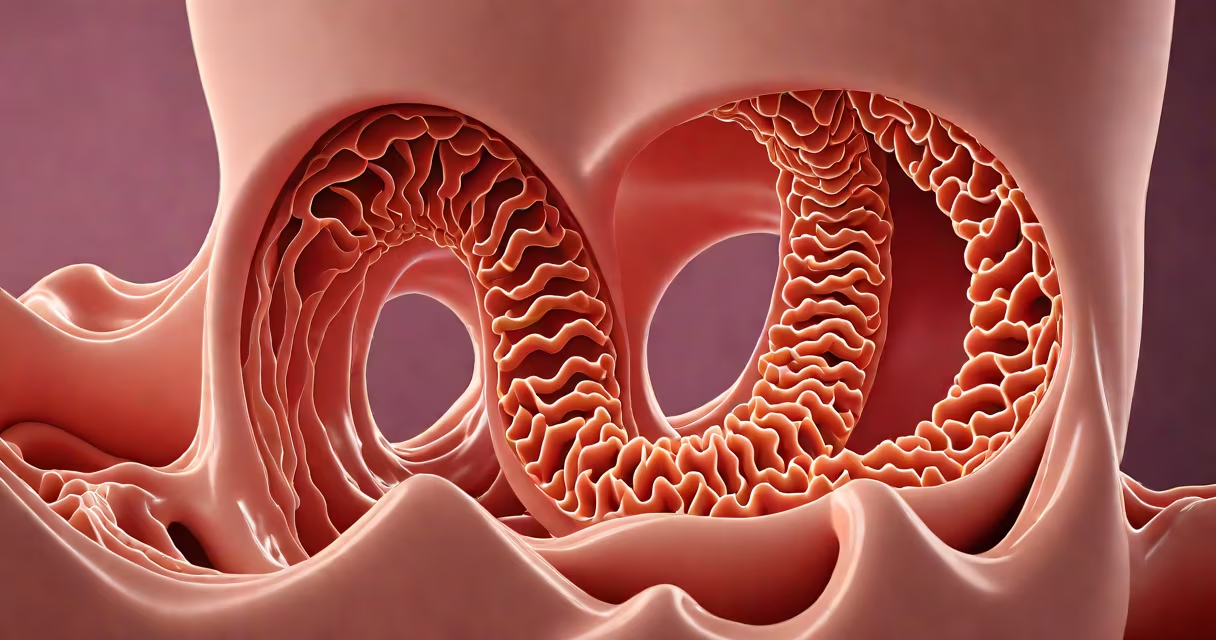
Bowel movements occur when coordinated contractions of the intestinal muscles-called peristalsis-push waste through the colon and out the anus. This process is driven by neural signals, hormonal cues, and physical stimuli from food and fluid intake.
The large intestine, or colon, is responsible for absorbing water and forming solid stool. As undigested material moves through the colon, water is drawn out, turning liquid contents into semi-solid waste. When enough stool accumulates, stretch receptors in the colon wall trigger reflexes that initiate contractions.
These contractions are regulated by the enteric nervous system-the "gut brain"-which coordinates muscle activity independently of the central nervous system. Hormones like motilin and serotonin also influence gut motility. Without these systems, bowel movements would not occur reliably.
Peristalsis begins when food enters the small intestine. The presence of chyme (partially digested food) activates the gastrocolic reflex-a physiological response that increases colonic contractions within 15 to 30 minutes after eating. This is why many people feel the urge to defecate shortly after a meal.
Nerve pathways from the spinal cord and autonomic nervous system modulate this reflex. Sympathetic nerves slow motility during stress, while parasympathetic nerves stimulate it. The vagus nerve plays a key role in signaling the colon to contract.
A 2021 study published in *Gastroenterology* found that individuals with irritable bowel syndrome (IBS) often have altered gut-brain axis signaling, leading to either delayed or excessive colonic contractions. This explains why some people experience constipation or diarrhea under stress.
Dietary fiber is the most effective natural stimulant for bowel movement. Soluble fiber (found in oats, apples, and beans) absorbs water and forms a gel-like substance that softens stool. Insoluble fiber (in whole grains, vegetables, and nuts) adds bulk and speeds transit time through the colon.
Adults need 25-38 grams of fiber daily, according to the Institute of Medicine. Most Americans consume only 15 grams per day, contributing to chronic constipation. A 2019 clinical trial showed that increasing daily fiber intake from 15 to 30 grams reduced straining during bowel movements by 43% in participants with functional constipation.
Hydration supports this process. Water helps fiber swell and move smoothly through the colon. Dehydration leads to hard, dry stools that are difficult to pass. Drinking 8 cups (about 2 liters) of fluid daily maintains optimal consistency.
| Type | Source Examples | Effect on Bowel Movement |
|---|---|---|
| Soluble fiber | Oats, bananas, carrots | Softens stool; slows transit |
| Insoluble fiber | Whole wheat bread, broccoli, almonds | Increases bulk; speeds transit |
| Prebiotics | Garlic, onions, leeks | Fuels beneficial gut bacteria; enhances motility |
Non-dietary triggers include physical activity. Walking for 30 minutes daily improves colonic motility by stimulating abdominal muscles and enhancing blood flow to the gut. A 2020 study in *The American Journal of Gastroenterology* reported that sedentary adults who walked regularly had 2.3 fewer days of constipation per month compared to inactive peers.
Many assume that laxatives are necessary for regular bowel movements. This is incorrect. The body regulates elimination naturally when diet and lifestyle support gut function. Overuse of stimulant laxatives can damage colonic nerves and lead to dependency.
Another misconception is that bowel movements must happen daily. The Bristol Stool Scale identifies Type 3 and 4 as ideal-formed but soft. Some people have bowel movements every 2-3 days and still maintain healthy digestion. The key is consistency, not frequency.
One overlooked factor is gut microbiota diversity. A 2022 study in *Nature Microbiology* linked low microbial diversity to slower colonic transit. Participants with high bacterial variety passed stool faster and reported less bloating. Probiotic-rich foods like yogurt and fermented vegetables support this balance.
Consider a 42-year-old office worker with occasional constipation. She starts her day with a breakfast of oatmeal (6 grams fiber), a banana (3 grams fiber), and a glass of water (250 mL). After lunch, she walks 10 minutes around the block. Her dinner includes steamed broccoli (5 grams fiber), quinoa (5 grams fiber), and a side of sauerkraut (probiotics).
Over two weeks, her bowel movements shifted from every 3-4 days to every 1-2 days. She reported less straining and more complete evacuation. Her daily fiber intake averaged 32 grams, and hydration was consistent. No supplements were used.
This case illustrates how combining dietary fiber, hydration, and light movement restores natural motility. The changes were sustainable and required no medication.
When bowel movement patterns change suddenly-especially with weight loss, fever, or blood in stool-consult a healthcare provider. These may signal underlying conditions like diverticulitis or colorectal cancer. The American Cancer Society recommends screening beginning at age 45.
Understanding what makes bowels move reveals that the process is not mysterious-it's a well-regulated biological function. With proper nutrition, hydration, and movement, the body maintains regularity naturally.