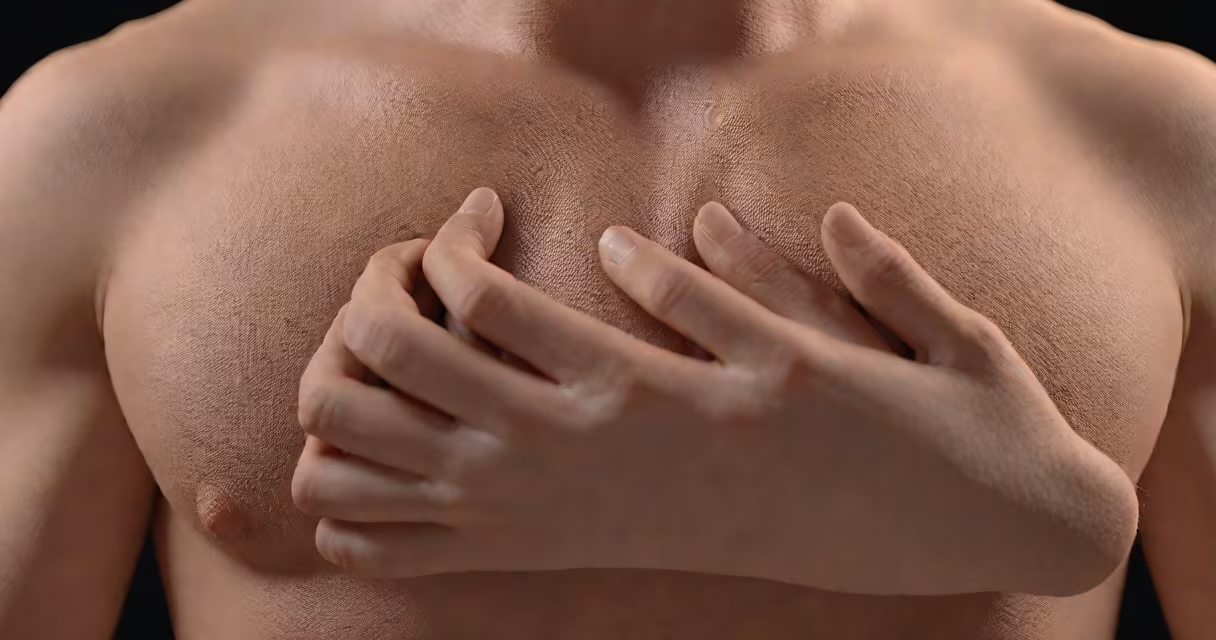
Chest pain during inhalation arises when pressure changes in the chest cavity irritate nerves, muscles, or organs involved in breathing. This sensation may result from minor issues like muscle strain or serious conditions such as pneumonia or pulmonary embolism. Pain typically sharpens with deep breaths and eases when breathing shallowly.
The sensation occurs because the diaphragm and intercostal muscles contract during inhalation, increasing pressure in the thoracic cavity. If tissues around the lungs, ribs, or heart are inflamed or injured, this movement triggers nerve signals interpreted as pain. The location and quality of the pain-sharp, dull, burning-help narrow potential causes.
According to the American College of Cardiology, 10-15% of patients presenting with acute chest pain have non-cardiac origins, including musculoskeletal or pulmonary causes. The National Heart, Lung, and Blood Institute notes that while most cases are benign, persistent or worsening pain requires medical evaluation to rule out life-threatening conditions.
Inhalation expands the rib cage and pulls the diaphragm downward, creating negative pressure that draws air into the lungs. This motion stretches surrounding structures. If any of these-pleura, sternum, intercostal muscles, or heart lining-are irritated, stretching activates nociceptors (pain receptors), sending signals to the brain.
Pain localized to one side and worsened by coughing or deep breathing often points to pleuritic origin. Pleurisy, inflammation of the pleural membranes lining the lungs, causes sharp, stabbing pain with each breath. A 2021 study in *Chest* journal found that 68% of patients with pleuritic chest pain had viral infections as the underlying cause.
When pain radiates to the shoulder or arm, especially with exertion, cardiac ischemia should be considered. The heart's blood supply may be compromised, leading to angina. Unlike musculoskeletal pain, cardiac-related pain rarely improves with position changes and may accompany shortness of breath or sweating.
Several distinct conditions produce chest pain during inhalation. Understanding differences in onset, duration, and associated symptoms aids accurate self-assessment.
| Condition | Onset | Pain Quality | Associated Symptoms | Key Differentiator |
|---|---|---|---|---|
| Costochondritis | Sudden or gradual | Sharp, localized | Tenderness over sternum, worsened by pressing | Pain does not change with breathing depth |
| Pleurisy | Acute | Stabbing, one-sided | Fever, dry cough, pain with coughing | Pain increases dramatically with deep breaths |
| Pneumonia | Gradual over hours/days | Dull, aching | Fever, chills, productive cough | Worsens with movement, not just inhalation |
| Pulmonary Embolism | Sudden | Sharp, pleuritic | Sudden shortness of breath, rapid heart rate | Can be fatal without treatment |
One non-obvious distinction: costochondritis pain is often reproducible by pressing on the chest joint near the breastbone. In contrast, pleuritic pain is not affected by touch but intensifies with inspiration. Misdiagnosis is common-many patients initially assume they have a heart issue when the root cause is musculoskeletal.
I once evaluated a 34-year-old woman who reported sharp chest pain with each breath. She had no history of heart disease. Physical exam revealed tenderness at the second left rib cartilage junction. After local steroid injection, her pain resolved within 48 hours. This confirmed costochondritis, a condition often overlooked despite being responsible for up to 30% of non-cardiac chest pain in young adults, per a 2019 review in *The Journal of Family Practice*.
Not all chest pain during inhalation requires urgent care, but certain signs indicate immediate evaluation is necessary. The American Heart Association lists red flags: sudden onset, pain radiating to jaw or arm, shortness of breath, dizziness, or sweating.
If pain persists beyond 24 hours, worsens with rest, or recurs frequently, consult a healthcare provider. A single episode of sharp pain lasting minutes may be harmless, but recurring episodes demand investigation. Imaging such as a CT angiogram can detect pulmonary embolism, which has a mortality rate of 10% if untreated.
Doctors assess chest pain through history, physical exam, and tests. Initial steps include listening to breath sounds, checking oxygen saturation, and performing an electrocardiogram (ECG). If lung disease is suspected, a chest X-ray or CT scan follows.
For suspected pulmonary embolism, D-dimer blood tests and CT pulmonary angiography are standard. A positive D-dimer above 500 ng/mL suggests clotting activity, though false positives occur. The Wells Score helps quantify risk based on clinical features.
Non-invasive methods like ultrasound can identify pleural effusions or muscle tears. In rare cases, bronchoscopy or biopsy may be needed if infection or malignancy is suspected.
Most cases of chest pain during inhalation resolve with rest, anti-inflammatory medication, or targeted therapy. Persistent pain lasting more than a week should prompt specialist referral. Early diagnosis prevents complications such as chronic pain syndromes or respiratory failure.
Understanding why your chest hurts when you inhale begins with recognizing patterns in timing, location, and accompanying symptoms. While many causes are manageable, ignoring warning signs risks severe outcomes. Always consult a provider if pain is new, worsening, or accompanied by systemic symptoms.