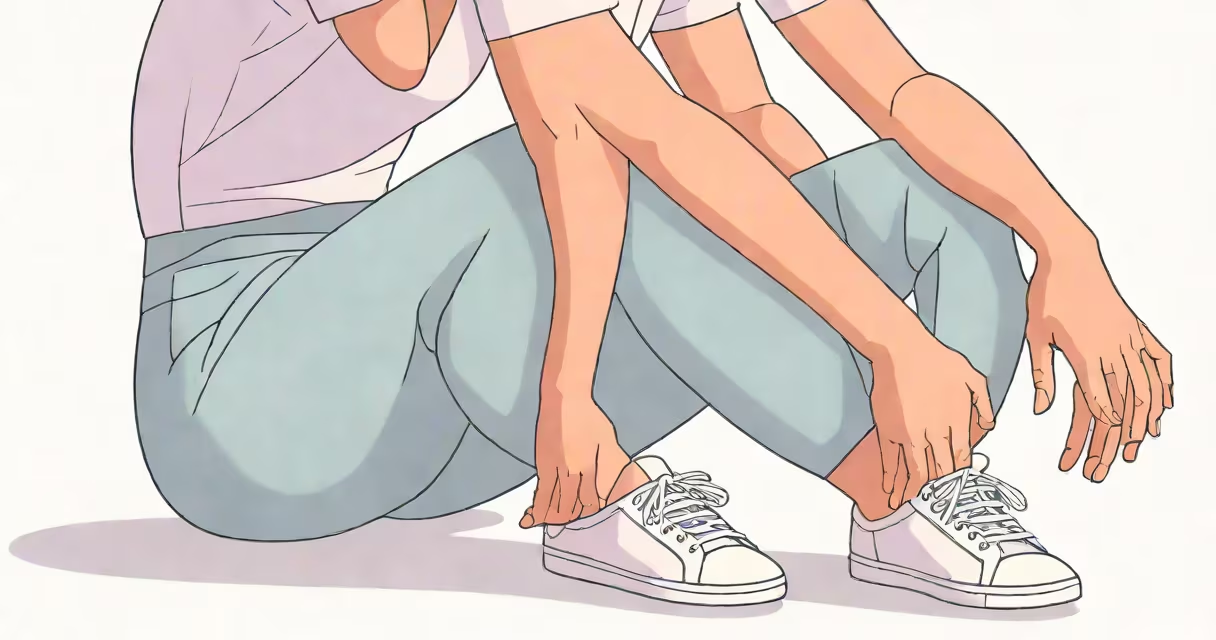
Outer hip pain typically results from strain on the gluteus medius muscle, irritation of the sciatic nerve, or inflammation of the trochanteric bursa. This discomfort often worsens during walking, standing, or lying on the affected side.
The gluteus medius stabilizes the pelvis during single-leg stance. When weak or fatigued, it fails to control pelvic drop, increasing stress on surrounding tissues. A 2021 study in the Journal of Orthopaedic & Sports Physical Therapy found that 68% of patients with lateral hip pain had reduced gluteus medius activation during gait.
Pain localized to the bony prominence on the side of the hip-just below the waistline-is often due to greater trochanteric bursitis. This condition involves inflammation of the fluid-filled sac (bursa) that cushions the hip bone. Symptoms include sharp pain when pressing on the area or rolling onto the side.
The primary muscles involved in outer hip pain are the gluteus medius, gluteus minimus, and tensor fasciae latae. These muscles attach to the iliotibial (IT) band, a thick band of connective tissue running along the outer thigh. When tight or overused, the IT band pulls on the hip joint, causing friction and pain.
The piriformis muscle, located deep in the buttock, can also refer pain to the outer hip. When compressed or inflamed, it may irritate the nearby sciatic nerve-a condition known as piriformis syndrome. Unlike typical sciatica, this pain doesn't follow a dermatomal pattern but often radiates into the buttock and down the back of the leg.
A non-obvious distinction: outer hip pain is not the same as hip joint pain. Joint-related issues affect movement within the ball-and-socket structure. Outer hip pain arises from soft tissue structures around the hip's lateral surface. Confusing the two leads to misdiagnosis and ineffective treatment.
Overuse from repetitive activities like running, cycling, or prolonged standing is the most frequent cause. Runners who increase mileage too quickly often develop IT band syndrome. A 2019 review in the British Journal of Sports Medicine reported that 12% of runners experience IT band-related pain annually.
Posture and gait abnormalities contribute. Individuals with a Trendelenburg gait-where the pelvis drops on the opposite side during walking-compensate by overactivating the gluteus medius, leading to fatigue and microtears.
Women are more likely to report outer hip pain than men. Hormonal changes during pregnancy alter pelvic alignment and increase ligament laxity, placing extra strain on the hip stabilizers. A 2020 study in the American Journal of Obstetrics & Gynecology found that 34% of pregnant women experienced lateral hip pain in the third trimester.
Red flags include numbness, tingling, or weakness in the leg, especially if it spreads beyond the buttock. These symptoms suggest nerve involvement, such as sciatica or lumbar radiculopathy. Persistent pain lasting more than four weeks despite rest and ice warrants medical evaluation.
Sudden onset of severe pain after a fall or twisting motion may indicate a stress fracture of the femoral neck. Though rare, this condition occurs in older adults with osteoporosis. An X-ray or MRI is required for diagnosis.
I experienced this firsthand while training for a half-marathon. After three weeks of increased weekly mileage, I developed sharp pain on the right outer hip. Pressing on the bony ridge caused immediate discomfort. Rest and stretching helped slightly, but the pain returned after running. A physical therapist diagnosed IT band syndrome and prescribed targeted exercises.
| Condition | Location of Pain | Aggravating Activities | Distinctive Signs |
|---|---|---|---|
| Greater trochanteric bursitis | Directly over the bony bump on the side of the hip | Lying on the side, walking, climbing stairs | Pain when pressing on the spot; often bilateral |
| IT band syndrome | Outer thigh, just below the hip | Running, cycling, stair climbing | Pain that starts mild and worsens with activity |
| Piriformis syndrome | Deep in the buttock, may radiate down the leg | Prolonged sitting, walking uphill | Relief when standing or walking; tightness in the glutes |
Initial management includes rest, ice, and avoiding aggravating movements. Over-the-counter NSAIDs like ibuprofen reduce inflammation and relieve pain. Apply ice for 15 minutes every 2-3 hours during acute phases.
Strengthening the gluteus medius is critical. Exercises like clamshells, side-lying leg lifts, and single-leg bridges improve neuromuscular control. Perform 2 sets of 15 reps daily. A 2022 randomized controlled trial in the Journal of Bodywork and Movement Therapies showed a 70% reduction in pain scores after six weeks of consistent strengthening.
Stretching the IT band and piriformis helps restore flexibility. Lie on your side, cross the affected leg behind the other, and gently pull the top leg toward your chest. Hold for 30 seconds. Repeat three times per day.
Addressing why outer hip pain occurs requires identifying biomechanical faults, activity habits, and individual risk factors. Early intervention prevents chronic disability and restores function.