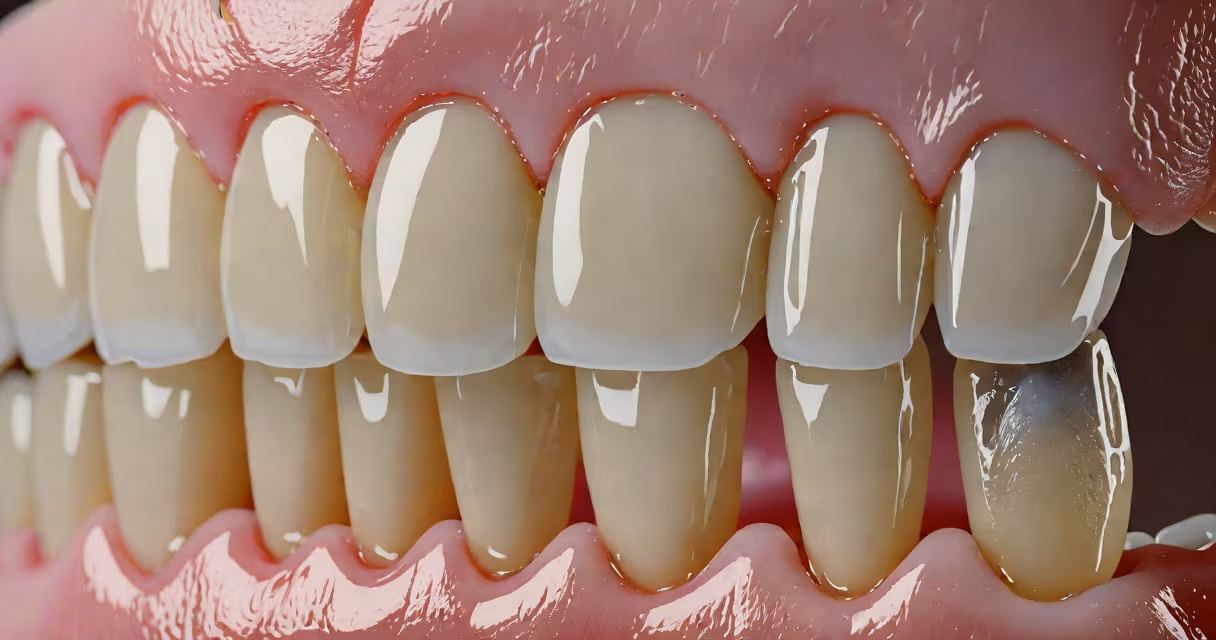
Teeth turn gray when the inner pulp tissue dies or becomes damaged, causing the dentin beneath the enamel to darken and show through. This change results from internal bleeding, nerve death, or long-term exposure to certain substances. Unlike surface stains, gray discoloration originates deep within the tooth structure.
Gray teeth often signal underlying dental issues rather than cosmetic concerns. The color shift occurs when hemoglobin from broken blood vessels in the pulp breaks down into iron-containing pigments like bilirubin and hemosiderin. These compounds seep into the dentin, altering its appearance. Once the pulp is compromised, the tooth loses its ability to regenerate and repair itself.
According to the American Association of Endodontists, internal tooth discoloration affects approximately 15% of teeth following traumatic injury. A 2021 study published in the Journal of Clinical Dentistry confirmed that gray discoloration correlates strongly with necrotic pulp tissue, especially in teeth with prior root canal treatment or untreated trauma.
When a tooth experiences trauma-such as a fall, sports injury, or sudden impact-the blood vessels inside the pulp can rupture. Blood leaks into the surrounding dentin and cementum layers. Over time, the breakdown products of red blood cells accumulate and oxidize, forming dark pigments. These deposits remain trapped within the microscopic tubules of the dentin, making the tooth appear gray, brown, or black.
Even without visible injury, chronic inflammation or infection can lead to pulp necrosis. Bacteria invade the pulp chamber, triggering cell death and releasing enzymes that degrade organic material. As the pulp decomposes, it releases pigments that stain the dentin. This process may take months or years to become noticeable.
A 2019 case report in the *International Journal of Dentistry* documented a patient whose front tooth turned gray six months after a minor knock during a soccer game. Radiographs showed no fracture, but a CT scan revealed internal hemorrhage and early signs of pulp calcification. The tooth was treated with a root canal and bleaching, restoring its original shade.
Discoloration falls into three categories based on location: intrinsic (inside the tooth), extrinsic (on the surface), and mixed. Gray teeth are almost always intrinsic, meaning the color change happens below the enamel layer.
| Type | Origin | Common Causes | Reversibility |
|---|---|---|---|
| Intrinsic | Inside the tooth | Trauma, root canal, tetracycline use, aging | Limited; requires professional treatment |
| Extrinsic | On the surface | Coffee, tea, wine, tobacco, poor hygiene | Often removable with cleaning |
| Mixed | Both layers | Long-term substance use, decay | Varies by cause |
Gray discoloration is rarely caused by diet or oral hygiene habits. Surface stains from food and drink don't penetrate the enamel deeply enough to produce gray tones. Instead, they typically result in yellow, brown, or orange hues. If a tooth turns gray despite good brushing and no trauma, it's likely due to internal changes.
One common misconception is that gray teeth always indicate a dead tooth. While pulp necrosis is a frequent cause, some teeth develop grayish tones due to calcium deposition or mineralization changes in the dentin. These cases may not involve nerve death but still require evaluation.
Many people assume that gray teeth are purely cosmetic or caused by poor hygiene. This is incorrect. Surface stains from coffee or smoking usually appear yellow or brown, not gray. If a tooth turns gray, especially after an injury, it indicates internal structural damage that cannot be reversed by brushing or whitening.
Another misunderstanding is that over-the-counter whitening strips can fix gray teeth. These products only affect the outer enamel layer. They cannot reach the dentin or remove pigments trapped in the tooth's interior. Attempting to whiten gray teeth with home kits may worsen the appearance or damage the enamel.
I once observed a patient who used a popular whitening pen daily for three months after noticing her front tooth had turned gray. She reported no improvement and eventually developed increased sensitivity. Upon examination, the tooth showed advanced dentin exposure and internal staining. A root canal was required to prevent further decay and restore function.
Gray teeth require professional diagnosis. A dentist uses radiographs and clinical tests-like cold sensitivity testing-to assess whether the pulp is alive or necrotic. If the pulp is dead, a root canal is necessary to remove infected tissue and seal the space.
After root canal therapy, internal bleaching can restore the tooth's color. This procedure involves placing a bleaching agent (usually carbamide peroxide) inside the tooth through a small access hole. The material remains in place for several days, then is removed. Multiple sessions may be needed for full correction.
For severe discoloration, a porcelain veneer or crown may be recommended. These restorations cover the entire visible surface and provide a natural-looking result. According to the American Dental Association, veneers have a success rate of 95% over five years when properly placed.
If you notice a tooth turning gray, especially after an accident or without explanation, see a dentist within two weeks. Delaying care increases the risk of infection spreading to adjacent teeth or bone loss. Early intervention improves outcomes and reduces treatment complexity.