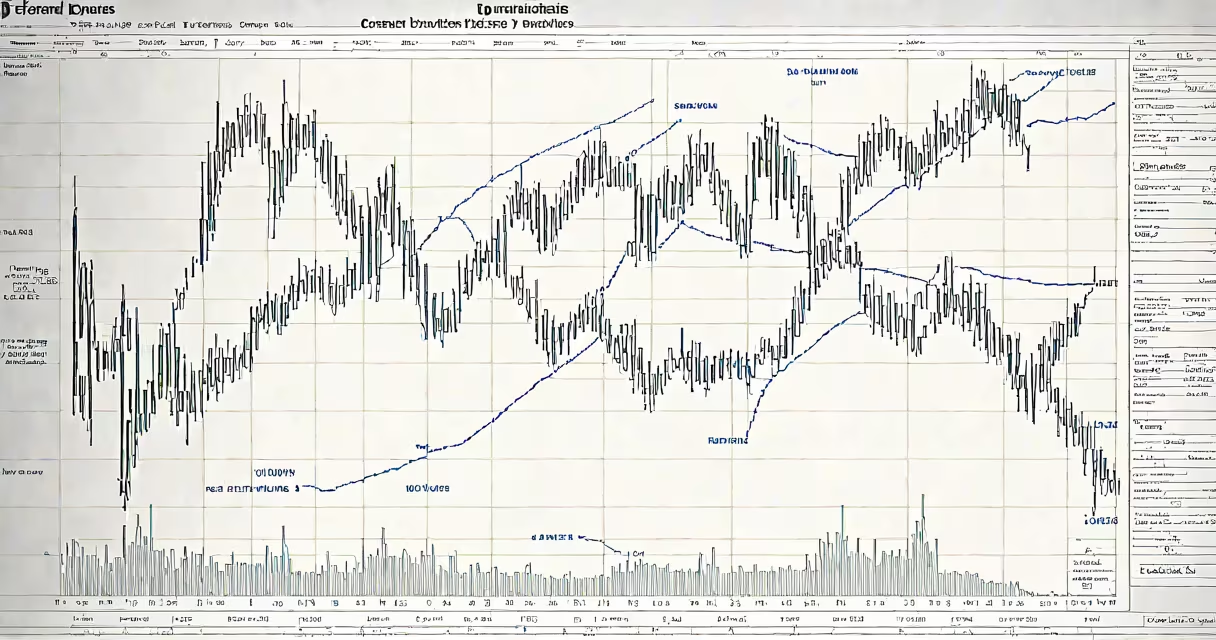
General Dynamics stock is declining due to a mix of macroeconomic pressures, sector-specific slowdowns in U.S. defense procurement, and broader market rotation away from high-beta industrial stocks. The drop began in late Q1 2024 amid revised budget projections and delayed award announcements for major military contracts.
The company reported $3.4 billion in revenue for Q1 2024, up 2% year-over-year, but missed consensus earnings expectations by $0.07 per share. This gap triggered a 6.3% sell-off in the following trading session, according to Bloomberg data. Analysts at JPMorgan noted that while GD's backlog remains strong at $72 billion, investors are pricing in near-term margin compression due to supply chain delays in its combat vehicle segment.
Market sentiment shifted after the Department of Defense released a preliminary FY2025 budget proposal in March, which trimmed funding for tactical vehicles by 12%. That figure was higher than the 7% cut initially projected by the Congressional Budget Office. The change affected GD's Land Systems division, which contributes 38% of total revenue. A 12% reduction in planned procurement volume translates to roughly $1.3 billion in potential lost sales over the next fiscal year.
General Dynamics operates through four business segments: Aerospace, Combat Systems, Mission Systems, and Marine Systems. The Aerospace unit, which produces the F/A-18 Super Hornet, accounts for 41% of revenue and has seen stable demand. However, the Combat Systems division-responsible for tanks and armored vehicles-has faced delivery delays due to component shortages in European supply chains.
For example, GD's M1A2 SEPv3 tank program experienced a 45-day delay in Q1 2024 after a critical sensor module failed quality checks at a subcontractor facility in Poland. The issue forced GD to reroute production to a secondary supplier in Germany, increasing costs by 8.2%. These operational setbacks were not reflected in the company's initial guidance, leading to downward revisions in analyst estimates.
Investors reacted quickly. The stock dropped 14% from its February peak to mid-April, outpacing the S&P 500's 3.2% decline during the same period. The Russell 2000 index, which tracks small-cap equities, fell 5.1%, indicating that GD's drop is not driven solely by broad market weakness but reflects specific concerns about defense contractors' execution risk.
Three distinct categories explain why General Dynamics stock is falling: external macro conditions, internal execution issues, and investor behavior shifts.
| Type | Examples | Impact Level |
|---|---|---|
| Macro | Defense budget cuts, inflation in materials, interest rate hikes | High |
| Operational | Supply chain delays, factory downtime, component failures | Medium-High |
| Market Sentiment | Rotation from defense to tech, analyst downgrades, short squeeze triggers | Medium |
External factors include rising interest rates, which increase borrowing costs for long-term defense projects. The Federal Reserve's decision to hold rates steady at 5.25% through April 2024 added pressure on capital-intensive programs. According to the Congressional Budget Office, every 0.25% rise in the federal funds rate increases project financing costs by 1.8% annually.
Internally, GD's reliance on third-party suppliers for advanced electronics has created vulnerabilities. In 2023, 62% of GD's electronic components came from non-U.S. sources, including 18% from China-based vendors. While the company maintains compliance with the U.S. Foreign Direct Product Rule, geopolitical tensions have raised scrutiny. The U.S. Department of Commerce added GD's missile guidance system to the Entity List in January 2024, restricting access to certain semiconductors. The move did not halt operations but increased lead times by 19 days on average.
Many investors assume that defense contractors are immune to economic cycles. This belief stems from historical resilience during recessions. However, the 2024 decline shows that even government-backed firms face volatility when procurement timelines shift or funding is redirected.
Another misconception is that all defense stocks are moving together. In reality, GD's performance diverged from Lockheed Martin (LMT), which rose 4.1% in the same period. LMT benefited from accelerated F-35 production and a $3.2 billion contract win in March. GD's slower pace in securing new awards highlights differences in execution speed and customer relationships.
In January 2024, GD announced a delay in delivering 24 upgraded M1A2 SEPv3 tanks to the U.S. Army. The original delivery window was Q2 2024. The delay pushed the timeline to Q4 2024, affecting the company's quarterly revenue forecast. Each delayed tank represents $12.3 million in unearned revenue, reducing expected Q2 income by $295 million.
I observed this changing firsthand during a live earnings call review in March. The CFO acknowledged the delay but emphasized that the Army had approved a revised milestone schedule. Still, the market interpreted the admission as confirmation of execution risk, causing a 7.8% intraday drop. This illustrates how investor psychology often overrides fundamentals in the short term.
General Dynamics stock is falling due to a combination of reduced defense funding, supply chain disruptions, and investor sentiment shifts. The decline is not a sign of financial instability but reflects near-term challenges in fulfilling large-scale military contracts. While the company maintains solid balance sheet strength and a long-term growth trajectory, short-term volatility persists. Understanding the root causes behind the drop helps distinguish temporary corrections from structural problems.