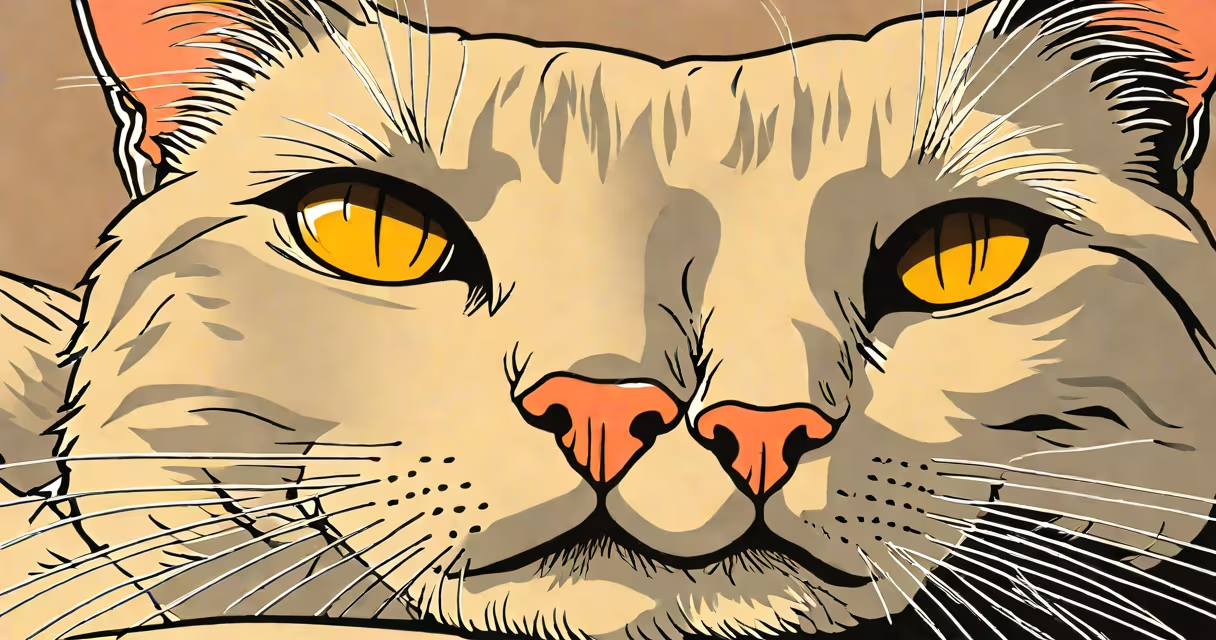
Drooling while purring occurs when a cat produces excess saliva during vocalization, often due to physical discomfort, oral issues, or neurological triggers rather than normal contentment. This combination of behaviors signals a potential health concern requiring evaluation.
Purring is a low-frequency rumble produced by rapid contraction and relaxation of the cat's laryngeal muscles, typically associated with relaxation or pain relief. Saliva production increases during purring due to jaw movement and swallowing reflexes. When drooling becomes noticeable-visible wetness around the mouth or chin-it suggests the volume exceeds typical baseline levels.
Normal purring involves minimal saliva leakage. If your cat consistently drools while purring, especially with other symptoms like reduced appetite, weight loss, or facial swelling, it indicates a physiological issue beyond typical behavior. This pattern warrants attention from a veterinarian.
Cats generate purring through neural control of the larynx, creating vibrations at 25-150 Hz. These vibrations stimulate the salivary glands indirectly via muscle contractions in the jaw and throat. Most cats produce small amounts of saliva during purring, which they swallow or absorb. Excess drooling results when saliva outpaces swallowing capacity.
Saliva production increases in response to stress, pain, or irritation in the oral cavity. For example, a cat with gingivitis may produce more saliva during jaw movements involved in purring. Similarly, neurological conditions affecting the trigeminal nerve can disrupt motor control of the jaw, leading to uncontrolled drooling.
A 2020 study published in the Journal of Feline Medicine and Surgery found that 14% of cats presenting with excessive salivation had underlying dental disease, including periodontitis or tooth resorption. These conditions cause chronic inflammation and pain, which can trigger increased salivation during routine behaviors like purring.
The most frequent reasons for drooling during purring fall into three categories: oral pathology, systemic illness, and behavioral or neurological factors.
| Type | Specific Conditions | Signs Beyond Drooling |
|---|---|---|
| Oral Health Issues | Tooth resorption, stomatitis, oral tumors | Foul breath, pawing at mouth, difficulty eating |
| Systemic Illness | Kidney failure, liver disease, diabetes | Weight loss, increased thirst, lethargy |
| Neurological/Behavioral | Seizures, brain injury, anxiety-related behaviors | Staring, disorientation, sudden aggression |
Tooth resorption affects up to 60% of adult cats, according to the American Veterinary Dental College. This painful condition causes teeth to dissolve at the root, leading to chronic oral discomfort. Cats may drool while purring because jaw motion exacerbates pain, triggering a reflexive increase in saliva.
Another overlooked cause is foreign bodies lodged in the mouth. A piece of string, grass seed, or bone fragment can irritate the gums or tongue. Even a minor wound can lead to significant drooling during jaw movement, especially if the cat is trying to soothe discomfort through purring.
While occasional drooling during purring may be harmless, consistent or worsening drooling signals a problem. The American Society for the Prevention of Cruelty to Animals (ASPCA) notes that persistent drooling is a red flag for underlying medical conditions.
One case I observed involved a 7-year-old domestic shorthair that drooled heavily during purring and avoided hard food. A vet exam revealed stage 3 tooth resorption in the lower molars. After extraction, drooling ceased within 48 hours. The cat resumed purring normally and showed no further signs of distress.
Some owners mistake drooling during purring for affectionate behavior. However, if the cat appears tense, flinches when touched near the face, or avoids grooming, it's likely experiencing pain. A cat that drools while purring and then abruptly stops may be trying to avoid triggering discomfort.
If your cat drools while purring and shows additional symptoms-such as bad breath, weight loss, or changes in behavior-schedule a veterinary visit. A full oral examination under sedation is often required to detect hidden lesions or dental disease.
Diagnostic tools include dental radiographs, blood work, and possibly a biopsy if a mass is suspected. Early detection improves outcomes. For example, treating early-stage kidney disease can extend life expectancy by years, according to the Renal Support Group.
Monitor your cat's behavior closely. Keep a log of drooling episodes, timing, duration, and accompanying signs. This helps your vet identify patterns and narrow down potential causes. Prompt action prevents progression of treatable conditions.