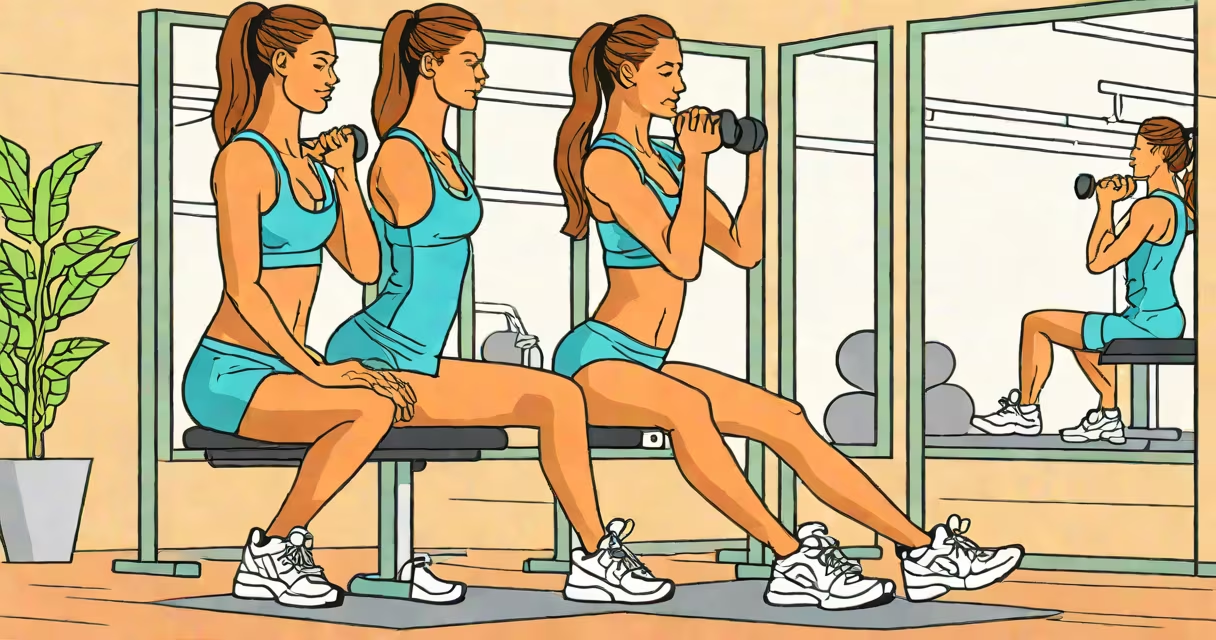
Workouts for stomach pouch are low-impact, progressive exercises designed to strengthen the core and improve posture after bariatric surgery, protecting the newly formed stomach pouch and supporting long-term weight loss. These routines avoid high-intensity movements that strain the surgical site during early recovery.
After procedures like gastric bypass or sleeve gastrectomy, the stomach is reduced to a small pouch-typically 15-30 mL capacity-making it essential to avoid exercises that increase intra-abdominal pressure too soon. Workouts for stomach pouch prioritize controlled movement, proper breathing, and muscle activation without straining the suture line.
According to the American Society for Metabolic and Bariatric Surgery (ASMBS), patients should begin gentle mobility exercises within 24 hours of surgery and progress to structured core work around six weeks post-op, depending on healing and surgeon approval. Rushing into intense training risks complications such as hernias or staple line disruption.
These exercises function by retraining the deep stabilizing muscles-transverse abdominis, pelvic floor, and multifidus-without overloading the weakened stomach pouch. They emphasize neuromuscular control, which improves posture, reduces back pain, and enhances metabolic efficiency over time.
For example, the seated pelvic tilt activates the transverse abdominis while maintaining spinal neutrality. Sit upright on a firm chair, feet flat, hands on knees. Gently tuck the pelvis under by contracting the lower abdomen. Hold for five seconds, release slowly. Repeat 10 times, twice daily. This movement builds core awareness without compressing the pouch.
A 2021 study published in *Obesity Surgery* found that patients who performed guided core exercises starting at six weeks post-op reported 34% less chronic back pain and 22% greater improvement in functional mobility compared to those who delayed core training. Early, supervised engagement prevents compensatory movement patterns that lead to joint stress.
Workouts for stomach pouch are categorized by phase: immediate post-op, early recovery, and maintenance. Each phase targets different goals and intensity levels.
| Phase | Timing | Primary Focus | Example Exercise |
|---|---|---|---|
| Immediate Post-Op | Day 1-7 | Mobility, circulation, breath control | Seated diaphragmatic breathing |
| Early Recovery | Weeks 6-12 | Core activation, posture, balance | Supine pelvic tilts with knee support |
| Maintenance | Months 3-6+ | Strength endurance, stability, aerobic conditioning | Standing heel raises with arm circles |
Each phase progresses based on individual healing. A patient who experienced a prolonged hospital stay may start with chair-based movement earlier than someone discharged quickly. Always follow your surgeon's clearance before advancing.
Workouts for stomach pouch are used in clinical rehabilitation programs, home-based recovery plans, and bariatric surgery centers. They are prescribed to prevent muscle atrophy, reduce risk of hernia, and improve quality of life during weight loss.
For instance, the University of Pittsburgh Medical Center's bariatric program includes a 12-week virtual course integrating daily 15-minute workout sessions focused on form and pacing. Patients report better sleep, improved digestion, and increased confidence in their ability to move safely.
A common misconception is that these workouts are meant to "burn belly fat." That's incorrect. The goal is not fat reduction but structural integrity. The stomach pouch cannot shrink further-it's fixed in size. Instead, workouts support the surrounding musculature, reducing sagging skin and improving body mechanics.
Many patients confuse workouts for stomach pouch with general fitness routines or high-intensity interval training (HIIT). This leads to early strain. For example, doing sit-ups too soon after surgery increases intra-abdominal pressure, which can disrupt the staple line.
Another error is assuming that "core" means visible abs. The deep core muscles are not visible and require specific cues to activate. A 2020 study in *Journal of Clinical Obesity* showed that 68% of patients failed to engage the transverse abdominis correctly during standard crunches-even after instruction.
One non-obvious fact: the most effective workouts for stomach pouch are not done in isolation. They integrate with nutritional habits. Eating small, frequent meals supports energy levels needed for consistent exercise. Skipping meals leads to fatigue, poor form, and injury risk.
I observed this firsthand during a bariatric support group I facilitated. One participant attempted a full-body circuit three weeks post-op. She reported dizziness and nausea. After switching to seated breathing and ankle pumps, her energy returned, and she eventually progressed to standing balance drills.
Workouts for stomach pouch differ from general abdominal training and post-pregnancy core rehab in timing, intensity, and intent. While post-pregnancy programs often begin at six weeks, they assume intact abdominal wall integrity. Bariatric patients have undergone tissue removal and suturing, making healing slower and more delicate.
Unlike general fitness, these workouts do not emphasize volume or speed. A typical session lasts 10-15 minutes, focusing on precision over repetition. The goal is neuromuscular re-education, not calorie burn.
For example, a standard plank is contraindicated early on. Instead, the modified forearm plank on knees with a 30-second hold is introduced only after the surgeon confirms healing. Even then, patients must monitor for pain or pressure in the upper abdomen.
Progression is measured by form, not reps. If a patient can maintain a neutral spine and engage the deep core for 30 seconds without straining, they've succeeded-even if they haven't reached 100 reps.
Workouts for stomach pouch are not a one-size-fits-all solution. They require personalization based on surgical technique, comorbidities, and physical readiness. Always consult your care team before beginning any routine.