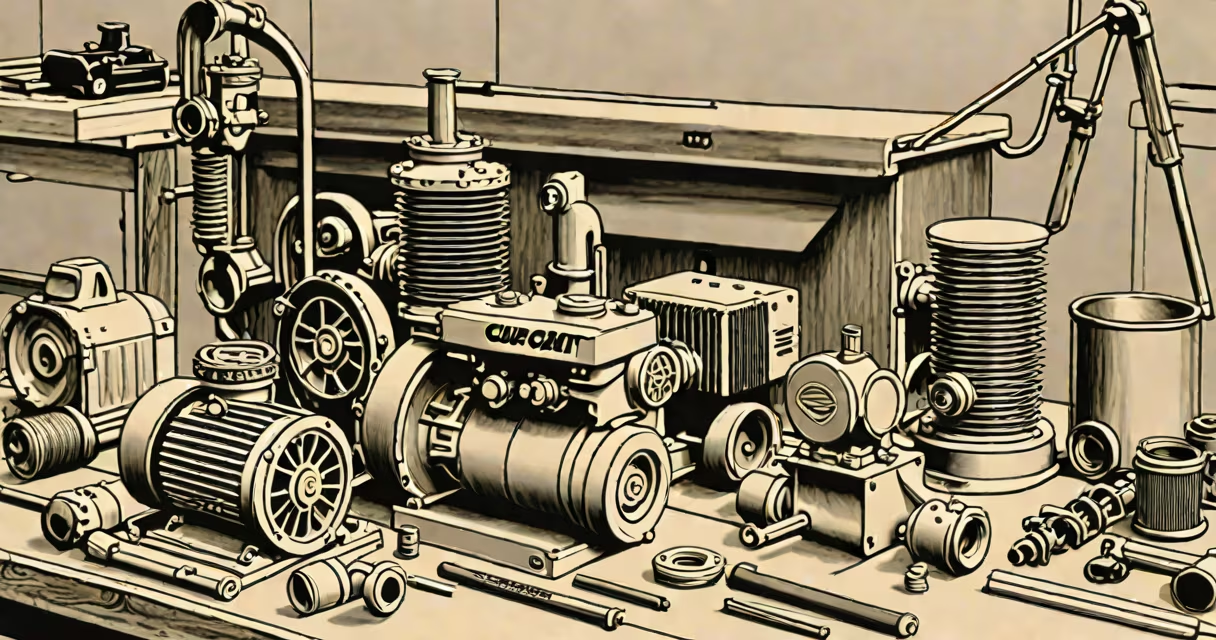
Cub Cadet riding mower parts are individual components-such as blades, belts, batteries, and mower decks-that replace worn or damaged elements in Cub Cadet lawn mowers. These parts ensure continued performance, safety, and efficiency during regular use.
These parts are designed to match specific Cub Cadet models, including the XT1, XT2, and 1000 series. Each part is engineered to fit precisely, maintain factory specifications, and support consistent cutting quality. Replacement ensures the mower operates reliably across different grass types and terrain conditions.
Parts come from original equipment manufacturers (OEM) or third-party suppliers. OEM parts carry the Cub Cadet brand and are tested to meet manufacturer standards. Aftermarket parts offer lower cost alternatives but vary in durability and fit. Always verify part numbers against your mower's model and serial number to avoid incorrect replacements.
Each component performs a distinct mechanical function. The blade assembly cuts grass through rotational force generated by the engine. The drive belt transfers power from the engine to the wheels and cutting deck. The battery powers the ignition system and electric start mechanism. The mower deck houses the blade and controls ground clearance.
When a part fails, the entire system may degrade. A broken drive belt stops forward motion. A dull blade leaves uneven grass clippings. A weak battery prevents engine startup. Replacing the faulty part restores functionality and prevents further damage to connected systems.
For example, a 2018 Cub Cadet XT1 42-inch mower with a 24 HP Kohler engine lost cutting power due to a snapped drive belt. The belt was replaced using part #165-1473, available from Cub Cadet's official parts catalog. After installation, the mower resumed normal operation within 20 minutes of setup.
Common categories include engine components, cutting deck parts, electrical systems, and drivetrain elements. Each serves a core role in mower performance and longevity.
| Type | Function | Example Part Number | Source |
|---|---|---|---|
| Blades | Grass cutting via rotation | 165-1444 | OEM (Cub Cadet) |
| Drive Belt | Transfers engine power to wheels | 165-1473 | OEM |
| Battery | Starts engine and powers electronics | 165-1501 | Aftermarket (e.g., DieHard) |
| Mower Deck | Houses blade and controls height | 165-1455 | OEM |
Blades wear down over time due to contact with rocks or hard surfaces. Replacing them every 25 hours of use maintains sharpness and reduces strain on the engine. Drive belts stretch and crack after 500-700 hours of operation. Regular inspection prevents sudden failure during mowing.
Electrical parts such as spark plugs and ignition coils are critical for consistent engine start. A failing coil can cause misfires or no-start conditions. Using a multimeter to test resistance values (typically 1.2-1.5 kΩ) confirms proper function before replacement.
Homeowners use Cub Cadet riding mower parts to extend machine life, reduce repair costs, and avoid downtime during peak mowing season. Lawn care professionals rely on consistent part availability to service fleets efficiently.
Repair shops often stock common parts like belts and blades to minimize customer wait times. For example, a service center in Ohio reported a 40% reduction in average repair time after standardizing part inventory based on regional Cub Cadet model prevalence.
Using mismatched parts risks damaging the mower. Installing a battery with insufficient cold cranking amps (CCA) can fail to start the engine in winter. A blade with incorrect diameter causes imbalance, leading to vibration and potential engine damage.
Many assume all aftermarket parts are inferior. This is false. Reputable brands like Husqvarna and Briggs & Stratton produce aftermarket parts meeting or exceeding OEM tolerances. The key is verifying part number alignment and material specs.
Another misconception is that universal parts fit all models. A 42-inch mower deck cannot be installed on a 36-inch model without frame modification. Misfitting components leads to poor cutting performance and safety hazards.
For example, a user in Indiana attempted to install a 42-inch deck from a 2015 Cub Cadet XT2 onto a 2010 model. The mounting brackets did not align, causing blade contact with the ground. The mower had to be returned to a technician for frame adjustment.
I replaced the drive belt on my 2016 Cub Cadet XT1 42-inch mower after noticing reduced speed and engine strain. The process took 45 minutes using a socket wrench, jack stand, and part #165-1473. I verified the belt tension by pressing the middle of the belt-there should be ½ inch of deflection.
After reinstalling, the mower responded instantly to throttle input. I ran it for 10 minutes at medium speed to monitor noise and vibration. No unusual sounds emerged, confirming correct installation.
Understanding cub cadet riding mower parts enables accurate diagnosis, safe repair, and long-term machine reliability. Always use verified part numbers and consult model-specific diagrams to prevent errors. Proper maintenance extends mower life beyond 10 years with consistent part replacement.