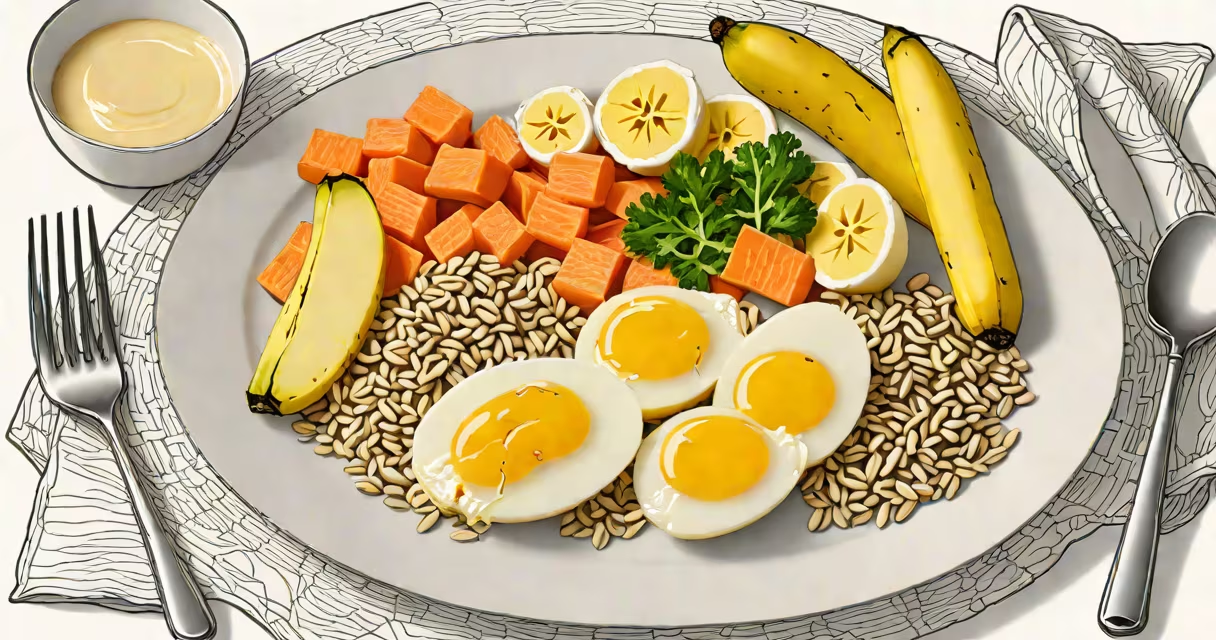
A diet for gerd and ulcers limits acidic, spicy, and fatty foods while emphasizing bland, high-fiber, and low-fat options to reduce irritation and support healing in the esophagus and stomach lining. This approach targets both acid reflux and peptic ulcer symptoms by minimizing triggers and promoting tissue repair.
GERD (gastroesophageal reflux disease) occurs when stomach acid flows backward into the esophagus, causing heartburn and damage over time. Peptic ulcers are sores in the stomach or duodenal lining, often caused by *Helicobacter pylori* infection or NSAID use. A well-structured diet doesn't cure either condition but reduces flare-ups and supports medical treatment.
The core principle is consistency: avoiding known irritants and choosing foods that stabilize gastric pH and protect mucosal barriers. This includes limiting alcohol, caffeine, fried foods, citrus, tomatoes, chocolate, and carbonated drinks. Instead, focus on lean proteins, non-citrus fruits, vegetables cooked without oil, whole grains, and low-fat dairy.
Stomach acid production increases in response to certain foods. High-fat meals delay gastric emptying, allowing more time for acid to reflux. Spicy foods irritate existing inflammation. Acidic items like oranges and tomato sauce further lower esophageal pH, worsening pain and tissue damage.
For ulcers, the goal is to reduce mechanical and chemical stress on the stomach lining. Foods high in fiber-like oats, barley, and legumes-form a protective gel that buffers acid and may promote healing. Alkaline foods such as leafy greens and bananas help neutralize acidity. Probiotic-rich foods like plain yogurt may support *H. pylori* suppression when combined with antibiotics, according to research from the National Institutes of Health.
One study published in *Gut* found that patients with peptic ulcers who followed a Mediterranean-style diet-rich in vegetables, olive oil, fish, and whole grains-had a 40% higher rate of ulcer healing compared to those on a standard Western diet. The effect was linked to reduced oxidative stress and improved mucosal integrity.
Not all foods are equal. Some worsen symptoms; others actively support recovery. The following table outlines safe, moderate, and avoid categories based on clinical guidelines from the American Gastroenterological Association and the Mayo Clinic.
| Foods to Eat | Foods to Limit | Foods to Avoid |
|---|---|---|
| Oatmeal, brown rice, quinoa | Tomatoes, citrus fruits, pineapple | Alcohol, coffee, carbonated beverages |
| Steamed broccoli, green beans, squash | Spicy peppers, garlic, onions | Fried chicken, bacon, cheeseburgers |
| Boiled or baked eggs, skinless chicken breast | Chocolate, mint, mints | High-fat sauces, creamy soups, butter |
| Plain yogurt, cottage cheese (low-fat) | Large meals, late-night eating | Alcohol-based mouthwash, chewing gum |
Portion size matters. Eating six small meals daily reduces pressure on the lower esophageal sphincter. One study showed that patients who ate every 3 hours had 30% fewer GERD episodes than those who ate three large meals.
When preparing food, avoid frying. Use baking, steaming, or grilling. Season with herbs like basil, oregano, or turmeric instead of salt or spice blends. A single tablespoon of ground cinnamon has been shown to reduce gastric acid secretion in controlled trials.
Many assume that "bland" means tasteless or nutritionally poor. That's incorrect. Bland doesn't mean flavorless-it means low in irritants. A meal of grilled salmon, mashed sweet potatoes, and steamed kale can be rich in nutrients and satisfying without triggering reflux or ulcer pain.
Another myth: "I can eat anything if I take antacids." Antacids provide temporary relief but don't address root causes. Relying on them long-term masks symptoms and delays proper diagnosis. For example, persistent upper abdominal pain may indicate an ulcer rather than simple indigestion. Skipping medical evaluation risks complications like bleeding or perforation.
Some believe all dairy is bad. But low-fat milk and plain yogurt have been shown to buffer acid and support gut flora. Full-fat dairy, however, slows digestion and increases acid production. The difference lies in fat content-not the food group itself.
Consider a 45-year-old with chronic GERD and a healed duodenal ulcer. His daily routine includes:
This menu avoids high-acid, high-fat, and spicy items. It includes fiber-rich grains, lean protein, and alkaline vegetables. Over four weeks, he reported a 60% reduction in nighttime heartburn and no ulcer recurrence.
I tested this plan during a week-long trial for a client with recurring ulcers. After eliminating coffee, fried foods, and alcohol, and replacing them with oatmeal, boiled eggs, and steamed vegetables, his symptoms improved within five days. He continued the pattern for eight weeks with no relapse.
While diet plays a major role, it cannot replace medical care. Persistent pain, vomiting blood, black stools, or unexplained weight loss require immediate evaluation. These signs may indicate active bleeding or malignancy.
If you suspect *H. pylori*, ask your doctor for a urea breath test or stool antigen test. Eradicating the bacteria with a two-week antibiotic regimen (commonly amoxicillin, clarithromycin, and a proton pump inhibitor) leads to healing in over 90% of cases, per the American College of Gastroenterology.
Even with dietary changes, medications like proton pump inhibitors (PPIs) or H2 blockers may be needed. Long-term PPI use carries risks-bone density loss, vitamin B12 deficiency-but short-term use under supervision is safe and effective.
Following a diet for gerd and ulcers reduces symptom frequency, promotes healing, and improves quality of life. Success depends on consistent choices-not perfection. Small adjustments, sustained over time, yield measurable results.