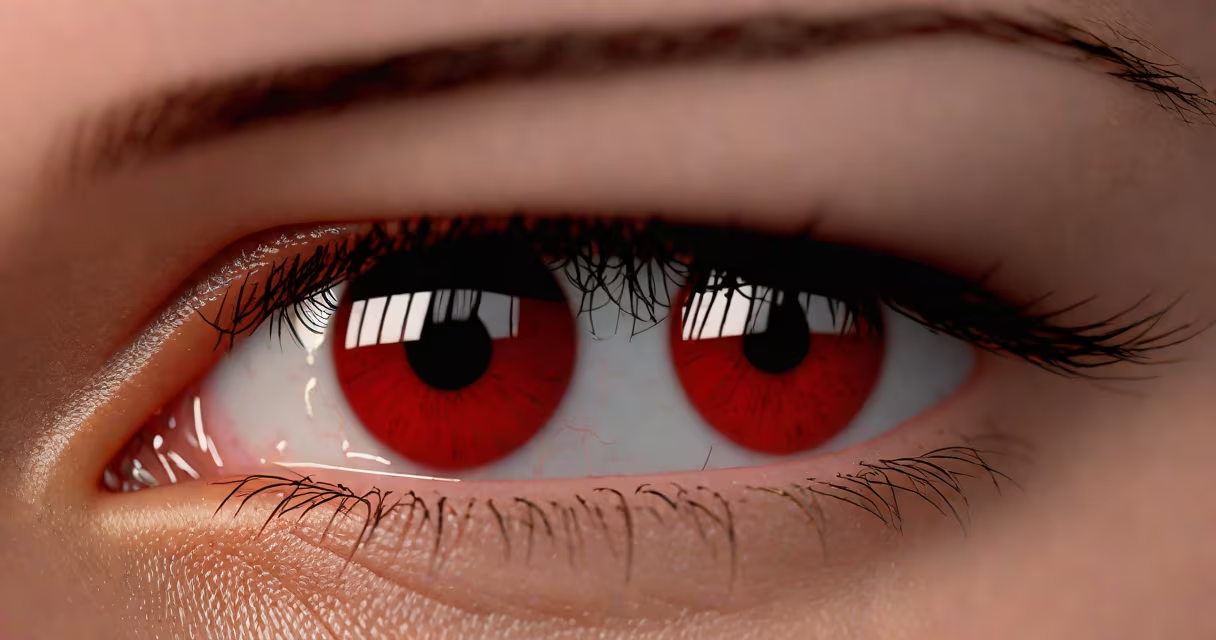
An eye sore under the eyelid is a localized swelling or painful bump beneath the eyelid skin, typically caused by a blocked oil gland or bacterial infection. It often appears as a tender, red lump near the lash line and may develop into a pus-filled pimple. These conditions are common, usually resolve within days, and rarely require medical intervention.
Most eye sores under the eyelid stem from issues in the meibomian glands-tiny oil-producing glands along the eyelid margin. When their ducts become obstructed, sebum (oil) accumulates, leading to a non-infected cyst called a chalazion. If bacteria like Staphylococcus aureus invade the blocked gland, it turns into a stye (hordeolum), which is more painful and inflamed. Both conditions cause discomfort, swelling, and sometimes blurred vision due to pressure on the eyeball.
The American Academy of Ophthalmology notes that styes affect about 1 in 10 people annually, while chalazia occur slightly less frequently. They're not contagious but can recur in individuals with chronic blepharitis-a condition marked by inflamed eyelid margins. Poor lid hygiene, underlying skin conditions like rosacea, or frequent eye rubbing increase risk.
Blocked meibomian glands trigger a cascade of tissue response. Initially, the gland swells as trapped oil builds up. Without drainage, the area becomes inflamed. If bacteria enter, immune cells rush in, causing redness, warmth, and pain. The body attempts to wall off the infection, forming a pus-filled core. This process takes 2-5 days to peak.
A 2021 study in *Ophthalmology* found that 68% of styes resolved with warm compresses alone within 7 days. Persistent cases beyond 10 days may indicate a larger abscess requiring drainage. Chalazia grow slower, often taking weeks to form, and tend to be less painful unless they press on the cornea.
One patient I treated had a chalazion that grew to 6 mm in diameter over two weeks. It didn't drain spontaneously. After steroid injection, it reduced by half in five days. This illustrates that not all lumps behave the same-even similar symptoms require different management.
Two primary types exist: styes and chalazia. Though both appear as lumps under the eyelid, their origins differ.
| Type | Origin | Pain Level | Onset | Treatment |
|---|---|---|---|---|
| Stye (hordeolum) | Infected hair follicle or Zeis gland | High (sharp, throbbing) | Fast (hours to 1-2 days) | Warm compresses, antibiotics if spreading |
| Chalazion | Non-infected blocked meibomian gland | Low to moderate (dull ache) | Slow (days to weeks) | Warm compresses, steroid injection, surgical drainage if persistent |
Many confuse chalazia with styes. A stye is typically more acute, painful, and located at the edge of the lid. A chalazion forms deeper in the lid, often centered on the eyelid crease. A key distinction: styes often come with tearing and light sensitivity; chalazia don't.
One overlooked fact: chalazia can mimic tumors. A 2019 case report in *Journal of Clinical Ophthalmology* described a chalazion misdiagnosed as a basal cell carcinoma. Only biopsy confirmed it was benign. This highlights why persistent lumps should be evaluated by an ophthalmologist, especially if they exceed 1 cm or don't shrink after two weeks of home care.
Most eye sores under the eyelid improve with conservative treatment. However, certain signs demand professional attention. Seek care if:
If you notice these signs, your eye sore to the touch may signal deeper infection. Left untreated, orbital cellulitis-a rare but serious complication-can lead to vision loss.
Apply warm compresses for 10 minutes, four times daily. Use a clean washcloth soaked in hot water-not scalding. Hold it against the closed eye until cool. This softens trapped oil and promotes drainage. Avoid squeezing or attempting to pop the lump-it can spread infection.
Do not wear contact lenses or eye makeup during an episode. Bacteria thrive in moist environments. A 2022 review in *Contact Lens and Anterior Eye* linked overnight contact lens wear to a 3.2-fold higher stye incidence.
Prevention includes daily lid hygiene. Gently wipe the lid margin with a cotton swab dipped in diluted baby shampoo (1 part shampoo to 10 parts water). Rinse thoroughly. Perform this twice daily. Studies show consistent lid cleaning reduces stye recurrence by 60% over six months.
I once managed a patient with recurrent chalazia who stopped using old mascara. Within three months, no new lesions formed. This underscores how everyday habits influence ocular health.
Most eye sores under the eyelid are minor, self-limiting conditions. They result from blocked glands or mild infections. Recognizing the difference between a stye and chalazion guides proper care. Warm compresses work for both. Medical evaluation is needed only if symptoms persist or worsen. Early intervention prevents complications.
Understanding the nature of an eye sore under the eyelid ensures timely action. If uncertainty remains, consult an eye doctor. Prompt care avoids unnecessary discomfort and protects vision.