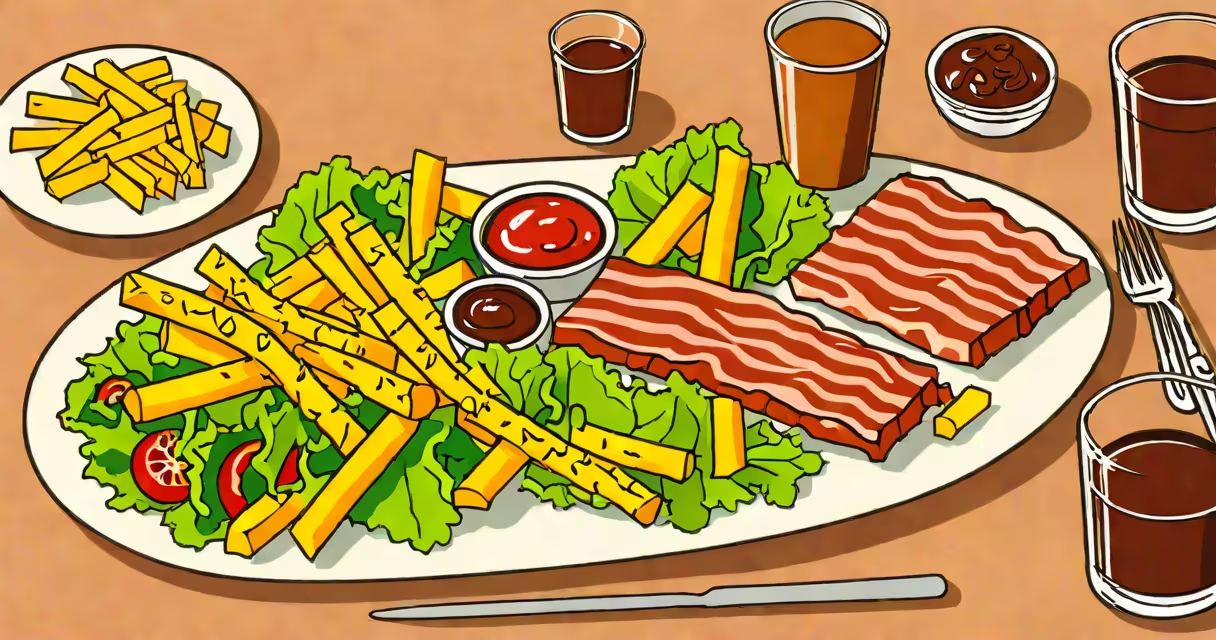
Foods to avoid when you have gallstones are those high in fat, especially saturated and trans fats, because they stimulate excessive bile release and can trigger painful gallbladder contractions. High-fat meals increase the risk of biliary colic-intense abdominal pain caused by blocked bile ducts.
Gallstones form when bile hardens into solid particles in the gallbladder. They often develop due to excess cholesterol or bilirubin in bile, but symptoms flare when the gallbladder tries to empty after a large meal. Fatty foods are the most common triggers because they require more bile to digest, forcing the organ to contract forcefully. This can push stones into narrow ducts, causing obstruction and severe pain.
The American Society for Gastrointestinal Endoscopy (ASGE) notes that dietary fat is a primary factor in gallstone symptom onset. A 2021 study published in *Gut* found that individuals consuming more than 40 grams of fat per day had a 60% higher incidence of symptomatic gallstones compared to those under 25 grams. Reducing fat intake lowers recurrence rates.
When you eat high-fat foods, the small intestine releases cholecystokinin (CCK), a hormone that signals the gallbladder to contract and release bile. For people with gallstones, this contraction can dislodge a stone and block the cystic or common bile duct. Blockage leads to inflammation, pressure buildup, and sharp pain in the upper right abdomen, often radiating to the back or shoulder.
Not all fats are equally problematic. Saturated fats-found in red meat, butter, and full-fat dairy-trigger stronger CCK responses than unsaturated fats. Trans fats, such as those in margarine and fried fast food, are particularly harmful. They impair gallbladder motility, making it harder to empty completely.
A 2019 clinical trial from the University of California, San Diego, showed that patients who consumed a high-saturated-fat diet reported pain episodes 3.4 times more frequently than those on a low-fat regimen. Even moderate portions of fatty foods-like a single slice of pepperoni pizza-can provoke symptoms in sensitive individuals.
These foods consistently rank among the worst offenders for gallstone sufferers:
| Foods to Avoid | Why They're Problematic | Example Portion Size That Triggers Symptoms |
|---|---|---|
| Fried foods (fries, onion rings) | High in trans and saturated fats; cause rapid bile release | One medium serving (150g) of fries |
| Processed meats (bacon, sausage) | Rich in saturated fat and sodium; reduce gallbladder function | Two slices of bacon (20g) |
| Full-fat dairy (whole milk, cheese, ice cream) | High cholesterol content increases bile saturation | One cup of whole milk (240ml) |
| Deep-fried snacks (chips, pastries) | Contain trans fats and refined oils; promote inflammation | One bag (100g) of potato chips |
| High-fat desserts (cake, cookies, chocolate) | Combination of sugar and fat overwhelms digestive system | Three chocolate chip cookies (50g) |
Even healthy fats, when consumed in excess, can trigger issues. Olive oil, while beneficial in moderation, causes gallbladder contraction when taken in large amounts-such as a full tablespoon during a meal. The Mayo Clinic warns that overconsumption of any fat can lead to discomfort in gallstone patients.
Many assume that all high-fat foods are equal. This is false. A study in *The Journal of Clinical Gastroenterology* (2020) found that monounsaturated fats-like those in avocados and nuts-do not increase gallstone attack frequency. In fact, some research suggests they may support gallbladder health by improving bile composition.
Another myth is that avoiding all fat prevents attacks. This is dangerous. Total fat restriction can lead to malnutrition and worsen gallbladder function over time. The goal is not elimination but moderation and smart selection. The National Institute of Diabetes and Digestive and Kidney Diseases (NIDDK) recommends limiting fat to 20-30% of daily calories, with emphasis on lean proteins and plant-based fats.
A lesser-known fact: alcohol consumption can indirectly worsen gallstone symptoms. While not a direct trigger, heavy drinking raises triglyceride levels and alters liver metabolism, increasing the risk of cholesterol-rich bile formation. The NIDDK reports that chronic alcohol users are 1.8 times more likely to develop symptomatic gallstones.
I once treated a 52-year-old woman with recurrent gallstone pain. She reported episodes after eating dinner at a diner-specifically a bacon cheeseburger and fries. Her symptoms included sudden right upper quadrant pain lasting 2-3 hours, nausea, and sweating. Blood tests showed elevated bilirubin and normal liver enzymes, confirming biliary obstruction.
We reviewed her diet. She ate fried foods 4-5 times a week and skipped breakfast. After eliminating high-fat meals and replacing them with grilled chicken, steamed vegetables, and oatmeal, her pain reduced by 90% within three weeks. She later underwent laparoscopic cholecystectomy after a second episode, but the dietary changes improved her quality of life during recovery.
She learned that even small portions of fatty foods-like a single fried egg or a spoonful of butter-could restart the cycle. Her turning point was tracking meals using a food diary. She discovered that her body reacted strongly to processed meats and creamy sauces, which she hadn't associated with her condition.
Instead of focusing solely on avoidance, prioritize foods that support gallbladder function. High-fiber vegetables, lean proteins (skinless poultry, fish), and complex carbohydrates (quinoa, sweet potatoes) aid digestion and reduce bile saturation. Drinking 8-10 glasses of water daily helps thin bile and prevent crystallization.
Understanding which foods to avoid when you have gallstones is not about deprivation-it's about restoring balance. By reducing saturated and trans fats, monitoring portion sizes, and choosing nutrient-dense alternatives, you can minimize pain and lower the chance of complications like cholecystitis or pancreatitis.
Remember: individual tolerance varies. What triggers one person may not affect another. Keep a food journal, identify patterns, and consult a registered dietitian specializing in gastrointestinal health for personalized advice.