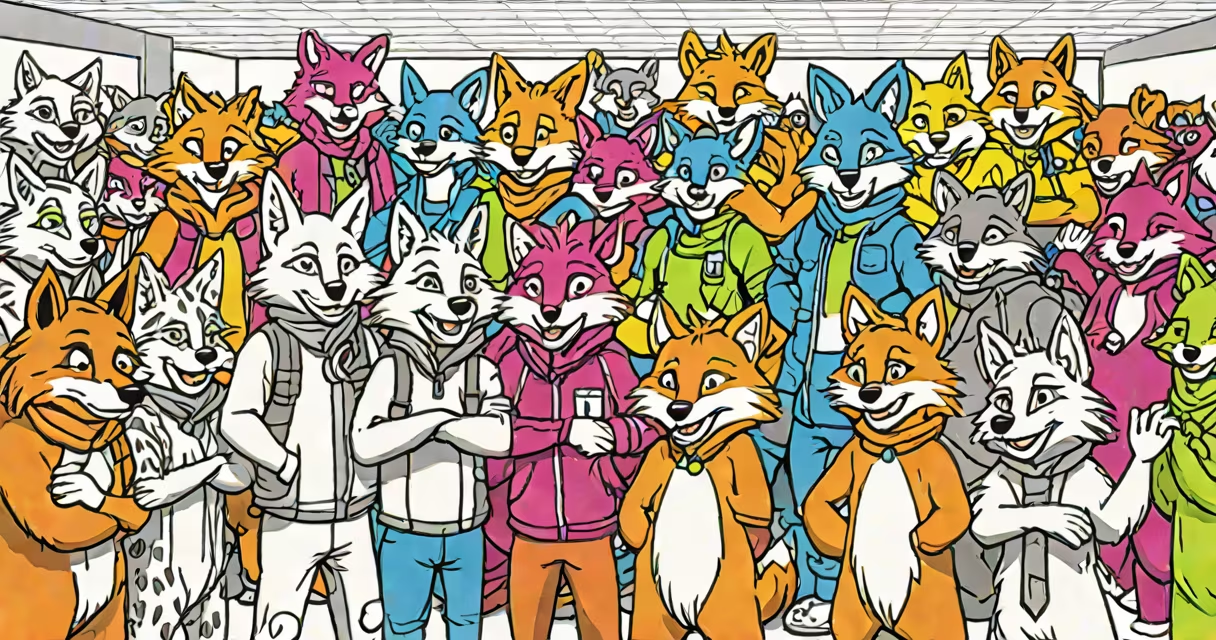
The furry community meaning refers to a global subculture centered on individuals who relate to or create art featuring anthropomorphic animals-creatures with human traits such as speech, intelligence, and emotion. Members often develop unique animal personas, known as fursonas, which serve as personal identities in online and in-person interactions.
Furry culture emerged in the early 1980s from science fiction fandom and comic book circles, evolving into a distinct creative movement. Its core elements include original artwork, storytelling, role-playing, and social gatherings called cons. Unlike mainstream fandoms, the furry community emphasizes personal expression through animal avatars rather than celebrity or brand affiliation.
Participants engage through digital platforms like Reddit, FurAffinity, and Discord, where they share illustrations, write stories, and form friendships. Physical events such as Anthrocon and Midwest FurFest host thousands annually, offering spaces for attendees to wear fursuits-detailed costumes representing their fursonas-and interact face-to-face.
At its foundation, the furry community operates on voluntary participation and mutual respect. Members contribute content, attend events, and support others through shared interests. Communication happens via forums, social media, and private messaging, with many users building long-term relationships based on artistic collaboration or emotional connection.
Art is central to the culture. Furry artists produce digital paintings, animations, and sculptures depicting characters with human-like behaviors. These works often explore themes of identity, belonging, and transformation. A single piece may take days to complete, involving detailed reference sheets for anatomy, fur patterns, and facial expressions.
For example, a 2022 study published in *Journal of Popular Culture* analyzed 1,200 furry artworks from FurAffinity and found that 68% included symbolic elements related to mental health, gender exploration, or trauma recovery. This reflects how the community serves as a safe outlet for marginalized identities.
The furry community includes several roles and practices, each contributing to its structure and cohesion. Not all members participate in every aspect, but common categories include:
| Type | Description | Examples |
|---|---|---|
| Fursona creator | Individuals who design and maintain a fictional animal persona. | A person using a wolf with cybernetic eyes as their online avatar. |
| Artist | Those who produce visual content, including digital painting and animation. | An artist posting a 3D-rendered fox character in a cityscape setting. |
| Fursuiter | People who build and wear full-body fursuits at events. | A performer wearing a lion fursuit during a parade at a convention. |
| Event organizer | Volunteers managing logistics for conventions or local meetups. | Someone coordinating registration, schedules, and safety protocols for a regional con. |
Many participants identify with multiple roles. For instance, a person might create a fursona, draw fan art of it, and attend events wearing a custom-built suit. This layered involvement reinforces social bonds and creative continuity.
The furry community meaning is frequently misunderstood. One widespread myth is that it revolves around sexual content. While adult-themed artwork exists, research from the University of California, Santa Cruz (2021) shows that only 12% of content on FurAffinity contains explicit material, and most users filter or avoid it intentionally.
Another misconception is that furries are children or outsiders lacking social skills. In reality, the average furry is between 25 and 35 years old, with 63% holding college degrees according to a 2020 survey by the Furry Research Network. Many pursue careers in tech, education, and the arts.
The term "furry" does not imply a lifestyle or belief system. It describes a cultural interest, not a religion or ideology. Individuals may join for creative inspiration, social connection, or personal identity exploration-but none are required to conform to a standard behavior or appearance.
In 2019, I attended my first furry convention in Pittsburgh. I wore a modest fox fursuit designed by a friend and spent two days attending panels, watching performances, and chatting with strangers. What struck me was the consistency of kindness: people offered water, helped adjust gear, and asked about my comfort level before engaging.
One attendee, a software engineer from Seattle, shared that he had struggled with depression for years. He began drawing furry characters as a way to process emotions. Over time, his work gained attention, leading to commissions and eventually a solo exhibition at a local gallery. His story illustrates how the furry community meaning extends beyond entertainment-it supports mental wellness and professional growth.
Another example is the annual Furry Friends Foundation charity drive, which collects supplies for shelters and funds pet adoption programs. In 2023, the campaign raised $187,000 across 14 countries, demonstrating how the community channels energy into tangible social good.
These distinctions clarify that while language terms may sound similar, their meanings and applications are entirely different. The furry community meaning is rooted in identity, creativity, and inclusivity-not technical specs or gaming lingo.
The furry community meaning is not a monolith. It encompasses diverse motivations, identities, and contributions. Whether someone joins for art, friendship, or personal discovery, the culture thrives on mutual respect and creative freedom. As long as participation remains consensual and respectful, the community continues to grow as a space for authentic self-expression.