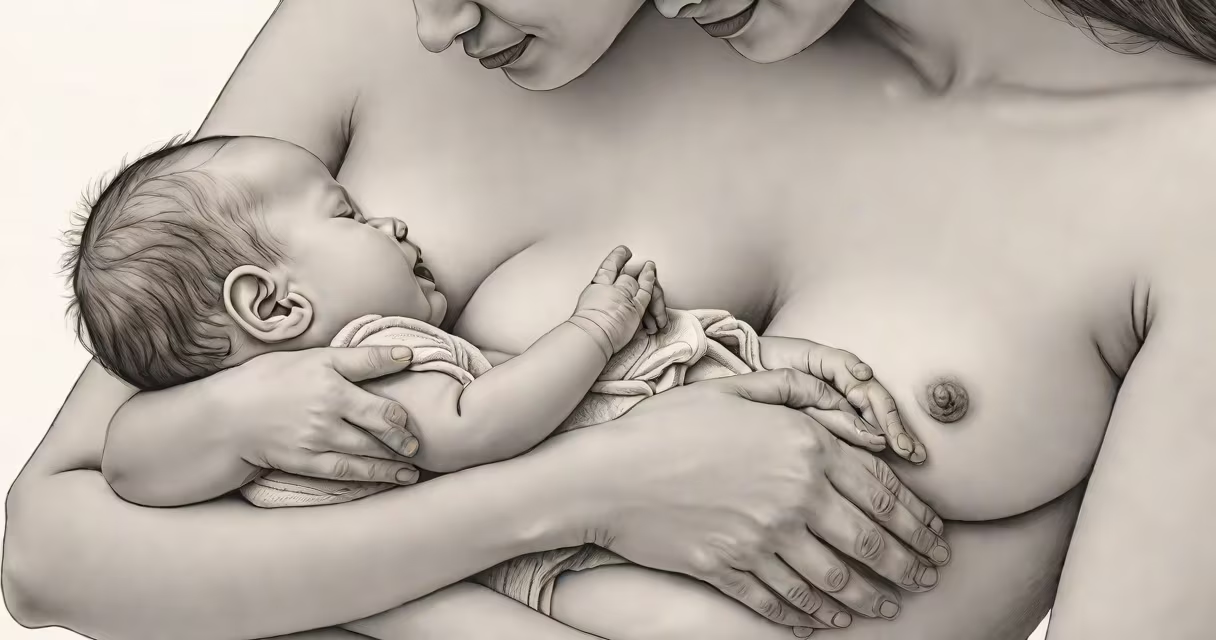
A hard breast while breastfeeding occurs when the breast becomes overly full of milk, leading to swelling, tenderness, and difficulty latching. This condition, often called engorgement, typically happens in the first few days to weeks postpartum when milk volume increases rapidly.
Engorgement results from blood vessels and lymphatic fluid expanding in response to rising milk production. The breast feels firm, warm, and sometimes shiny. Pain may worsen with pressure or movement. Left untreated, it can reduce milk transfer and increase the risk of blocked ducts or mastitis.
According to the American Academy of Pediatrics, up to 50% of new mothers experience some degree of breast engorgement in the first week after delivery. Early intervention reduces complications and supports successful breastfeeding.
After birth, hormonal shifts trigger milk synthesis. Prolactin and oxytocin initiate lactation, but early milk production can outpace infant demand. When milk accumulates faster than the baby removes it, pressure builds in the mammary glands and surrounding tissue.
Swelling occurs because the breast's connective tissue and blood vessels dilate in response to increased metabolic activity. This leads to visible enlargement, tightness, and reduced elasticity. The nipple may flatten or retract, making latching difficult.
For example, a mother who feeds her newborn every 3 hours may still experience hardness if the baby takes less than 10 minutes per session. Over time, the breast adapts, but initial engorgement is common and treatable.
Hard breast while breastfeeding varies in severity and timing. Early engorgement usually appears between days 2 and 5 postpartum. Late engorgement can occur later, especially when returning to work or changing feeding schedules.
| Type | Timing | Common Triggers | Typical Symptoms |
|---|---|---|---|
| Early | Days 2-5 | First milk surge, infrequent feeding | Swelling, warmth, pain, flattened nipple |
| Late | Weeks 2-6+ | Reduced feed frequency, weaning, missed feeds | Fullness, soreness, lumpiness |
| Unilateral | Anytime | Asymmetric feeding, poor latch on one side | One breast harder than the other |
Contributing factors include delayed feeding, infrequent nursing, using pacifiers, or supplementing with formula. These reduce milk removal and increase stagnation risk. A study in the journal *Breastfeeding Medicine* found that mothers who initiated breastfeeding within the first hour had a 30% lower incidence of severe engorgement.
Immediate steps reduce discomfort and prevent complications. Apply cold compresses after feeding to reduce swelling. Cold packs or chilled cabbage leaves can ease inflammation and numb pain. Avoid heat, which increases blood flow and worsens swelling.
Feed frequently and ensure proper latch. A deep latch allows the baby to remove milk effectively and stimulates milk ejection. If the nipple is flat, try hand expression or a nipple shield. Breast compression during feeding improves flow and prevents overfilling.
Manual expression or pumping for 5-10 minutes before feeding can relieve pressure. Pumping too long or too aggressively may signal the body to produce more milk, worsening the issue. Limit pumping to 10 minutes unless advised otherwise.
One mother reported that alternating cold and warm compresses helped her manage unilateral engorgement. She applied a cold pack for 10 minutes, then a warm towel for 5, repeating twice daily. Within 24 hours, swelling decreased and latching improved.
Hard breast while breastfeeding is normal in early postpartum. But persistent hardness beyond 72 hours, fever above 100.4°F (38°C), red streaks, or pus indicates infection. These signs suggest mastitis, requiring antibiotics and continued breastfeeding.
Seek care if the breast remains hard despite frequent feeding, or if the baby cannot latch. Ultrasound or clinical evaluation may be needed to rule out abscesses or blocked ducts. The CDC recommends prompt treatment to avoid hospitalization.
Many assume that hard breasts mean low milk supply. In reality, they often indicate high supply or poor removal. A full breast does not equate to insufficient milk. Babies may struggle to feed due to stiffness, not lack of milk.
Another myth is that avoiding feeding reduces hardness. Stopping feeds temporarily may relieve pressure, but it triggers feedback inhibition, reducing milk volume. The body interprets reduced demand as surplus and shuts down production.
Some confuse engorgement with blocked ducts. Blocked ducts cause localized lumps, often tender to touch. Engorgement affects the entire breast and includes systemic symptoms like fatigue and mild fever. Distinguishing them ensures correct treatment.
Prevent hard breasts by feeding on cue, not schedule. Newborns typically need 8-12 feeds per 24 hours. Watch for hunger cues like rooting, sucking motions, or fussing. Early and consistent feeding aligns supply with demand.
Use a supportive nursing bra without underwire. Underwires can compress ducts and contribute to blockages. Avoid tight clothing that restricts circulation.
Hard breast while breastfeeding is a common challenge, not a failure. With timely action, most cases resolve within 24-48 hours. Understanding the mechanics, recognizing warning signs, and acting early preserves milk supply and supports maternal well-being.