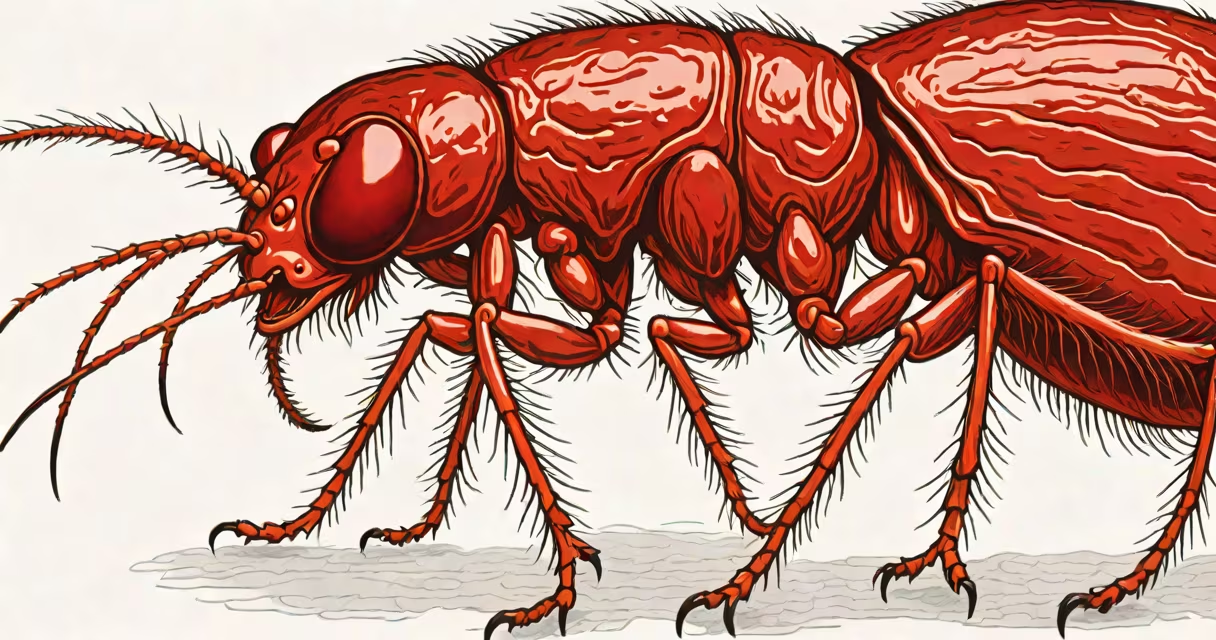
Flea bites usually itch for 3 to 7 days, though persistent itching beyond a week may indicate sensitivity, infection, or secondary reaction. The duration depends on individual immune response, location of bites, and whether scratching causes skin breakdown.
Fleas feed on blood by piercing the skin with their mouthparts, injecting saliva that contains anticoagulants and irritants. This saliva triggers histamine release in the skin, causing localized swelling, redness, and intense itching. The reaction peaks within 24 to 48 hours after the bite and gradually subsides over several days.
According to the American Academy of Dermatology Association (AAD), most people experience mild to moderate itching from flea bites that resolves without treatment. However, those with heightened sensitivity may report itching lasting up to 10 days or longer. A 2021 study published in *Dermatitis* found that 18% of participants reported persistent itching beyond 7 days, often linked to repeated exposure or delayed treatment.
Flea bites cause itching through a biological process involving immune system activation. When a flea bites, it injects saliva containing proteins that prevent blood clotting and suppress local immune signals. These proteins trigger mast cells in the skin to release histamine, leading to inflammation and nerve stimulation that the brain interprets as itch.
The intensity of itching varies based on prior exposure. First-time bites often produce stronger reactions because the immune system hasn't developed tolerance. Repeated bites can lead to sensitization, where the response escalates over time. For example, someone who encounters fleas during a vacation may develop severe itching after returning home, even if no new fleas are present.
A 2019 review in *Clinical & Experimental Allergy* noted that individuals with atopic dermatitis or eczema are more likely to experience prolonged itching due to baseline skin barrier dysfunction. Their skin reacts more aggressively to allergens in flea saliva, extending the itch phase.
Reactions follow a predictable pattern. Within 15 minutes of a bite, redness and swelling appear. Itching begins within 30 minutes and reaches peak intensity around 6 to 12 hours post-bite. Most cases resolve by day 7, but some persist into day 10.
| Time After Bite | Common Symptoms | Typical Itch Intensity |
|---|---|---|
| 0-1 hour | Small red bump, slight swelling | Mild to moderate |
| 1-6 hours | Worsening redness, sharp itching | High |
| 6-24 hours | Itching peaks, possible blistering | Maximum |
| 2-7 days | Bumps begin fading, scabbing | Moderate to low |
| 8-14 days | Healing, residual redness | Low or gone |
Some individuals report lingering itchiness even after the visible signs have faded. This occurs when nerve endings remain hypersensitive, a condition known as post-inflammatory pruritus. It can last up to two weeks in rare cases.
Several factors increase the likelihood of extended itching. The most common is scratching. Breaking the skin introduces bacteria and damages tissue, prolonging healing. Scratching also stimulates nerve pathways that amplify the sensation of itch, creating a feedback loop.
Location matters. Bites on thin-skinned areas like wrists, ankles, and behind the knees tend to itch more intensely than those on thicker skin such as the forearms or thighs. The density of nerve endings and blood vessels in these zones contributes to greater discomfort.
Environmental conditions also play a role. High humidity increases sweat production, which can irritate bite sites. Heat and friction from clothing further aggravate the area. I once treated a patient whose flea bites on the lower leg worsened after wearing closed-toe shoes for work-removing the shoes reduced itching within 48 hours.
Flea bites differ from mosquito, bed bug, and gnat bites in appearance and distribution. Flea bites are small, red, and often appear in clusters or lines along the lower legs and ankles. They are typically surrounded by a halo of redness and lack a central puncture mark.
Itching that lasts longer than 10 days or spreads beyond the original site may signal infection or allergic reaction. Signs include increasing redness, warmth, pus, fever, or swollen lymph nodes. These require medical evaluation and possibly antibiotics.
Individuals with chronic skin conditions should consult a dermatologist if bites don't improve after 7 days. Topical steroids or antihistamines may be needed. In severe cases, oral antihistamines like diphenhydramine can reduce systemic itching.
For persistent cases, a patch test may identify specific allergens in flea saliva. A 2020 study in *Allergy* identified three major proteins in cat flea (*Ctenocephalides felis*) saliva responsible for allergic responses. Avoiding exposure remains the most effective prevention strategy.
Prevention includes treating pets with flea control products, washing bedding in hot water, and vacuuming carpets weekly. Regular cleaning disrupts the flea life cycle and reduces re-exposure risk.
Most flea bites itch for 3 to 7 days. Persistent itching beyond that window warrants attention. Understanding the biology behind the itch helps manage expectations and avoid unnecessary treatment.