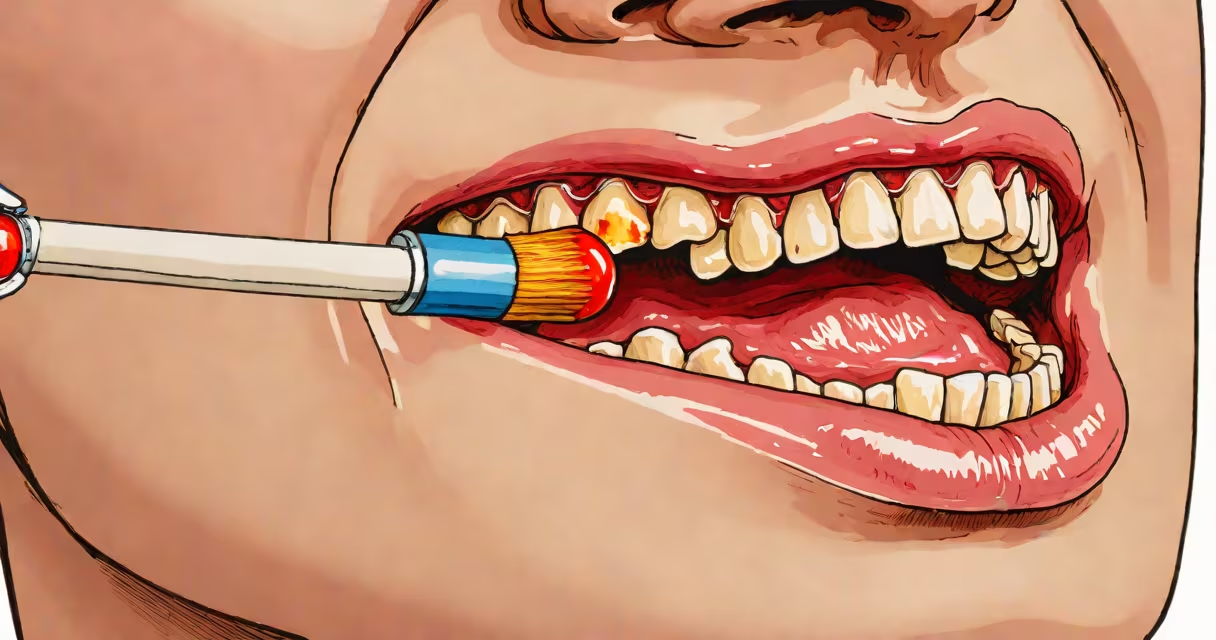
Identifying strep throat involves detecting group A Streptococcus bacteria through clinical symptoms and laboratory testing, distinguishing it from viral sore throats that mimic similar signs. Unlike common colds, strep throat often presents with sudden onset of severe sore throat, fever above 101°F (38.3°C), and absence of cough.
Strep throat is caused by Streptococcus pyogenes, a bacterium that infects the pharynx and tonsils. It spreads through respiratory droplets during close contact, such as sharing utensils or being near someone who coughs. The infection affects approximately 10-20% of children and 5-10% of adults with sore throats, according to the Centers for Disease Control and Prevention (CDC).
Without proper identification and treatment, strep throat can lead to complications like rheumatic fever or post-streptococcal glomerulonephritis. Early diagnosis reduces transmission risk and prevents long-term health issues. Accurate identification relies on symptom patterns and confirmatory testing rather than visual inspection alone.
Healthcare providers begin by assessing symptoms using clinical criteria. The Modified Centor Score evaluates four factors: fever over 100.4°F (38°C), tender cervical lymphadenopathy, absence of cough, and tonsillar exudate. A score of 3 or higher indicates a 20-30% likelihood of strep infection, warranting testing.
Rapid antigen detection tests (RADTs) are performed in clinics and return results within 10 minutes. These tests detect streptococcal antigens in throat swabs. A positive result confirms strep throat with 90-95% sensitivity and 95-99% specificity, per the American Academy of Pediatrics (AAP).
If the rapid test is negative but suspicion remains high, a throat culture is sent to a lab. This takes 24-48 hours but has 98% sensitivity. Culture positivity confirms the presence of group A Streptococcus. The CDC recommends confirming negative rapid tests with a culture to avoid missing cases.
Strep throat manifests in several patterns, each affecting diagnostic accuracy. The most common form is acute tonsillopharyngitis with visible white or yellow exudate on tonsils, swollen glands, and difficulty swallowing. Some patients report a "raspy" voice due to vocal cord inflammation.
A less typical presentation includes asymptomatic carriers-individuals who harbor the bacteria without symptoms. These people can still spread the infection and may test positive on screening. Carriers are more common in school-aged children and are often identified during outbreaks.
Another rare variant is scarlatiniform rash, which appears as a sandpaper-like texture on the skin, especially on the neck and chest. This occurs in about 10% of untreated cases and signals a potential progression to scarlet fever. Prompt antibiotic treatment prevents this complication.
| Symptom | Common in Strep Throat? | Typical in Viral Sore Throat? |
|---|---|---|
| Fever above 101°F (38.3°C) | Yes | No |
| Cough | No | Yes |
| Red, swollen tonsils with pus | Yes | Rare |
| Sore throat lasting more than 5 days | Yes | Yes |
Identifying strep throat is critical in schools, daycare centers, and households where close contact increases transmission risk. Outbreaks can occur rapidly, especially among children aged 5-15. A single infected student can expose dozens in a classroom setting.
Early diagnosis prevents complications. Untreated strep infections can trigger autoimmune responses leading to rheumatic fever, which damages heart valves. The condition affects 0.3-3 per 1,000 cases globally, with higher rates in low-resource settings, according to the World Health Organization (WHO).
Antibiotics reduce contagiousness within 24 hours and shorten illness duration by 1-2 days. Penicillin or amoxicillin remain first-line treatments. Failure to treat increases the risk of abscess formation, airway obstruction, or sepsis-rare but serious outcomes.
Many mistake strep throat for a viral infection due to overlapping symptoms. A sore throat with mild fever and runny nose may suggest a cold, but the absence of cough strongly favors strep. A study published in *JAMA Pediatrics* found that 60% of parents incorrectly assumed their child had a viral illness when strep was present.
Ear pain is another frequent misdiagnosis. While strep throat does not directly cause otitis media, referred pain from inflamed pharyngeal tissues can feel like an earache. The presence of ear pressure without discharge suggests referred pain, not infection. If ear symptoms persist after antibiotics, further evaluation is needed.
One non-obvious fact: a negative rapid test does not rule out strep. Sensitivity drops to 70-80% in low-prevalence settings. A negative result in a high-risk patient (e.g., school outbreak) requires a follow-up culture. Skipping the culture risks missing 10-15% of cases.
In January 2023, a 12-year-old student presented with a 2-day history of severe sore throat, temperature of 102.6°F (39.2°C), and swollen neck glands. No cough or nasal congestion. The clinician applied the Modified Centor Score: fever (+1), tender nodes (+1), no cough (+1), exudate (+1). Total score: 4.
A rapid antigen test was performed. Result: positive for group A Streptococcus. The patient received a 10-day course of oral amoxicillin. Symptoms resolved within 48 hours. Follow-up testing confirmed clearance of bacteria.
This case illustrates how symptom-based triage combined with testing leads to timely treatment. Delaying antibiotics increased the risk of spreading to classmates and developing complications.