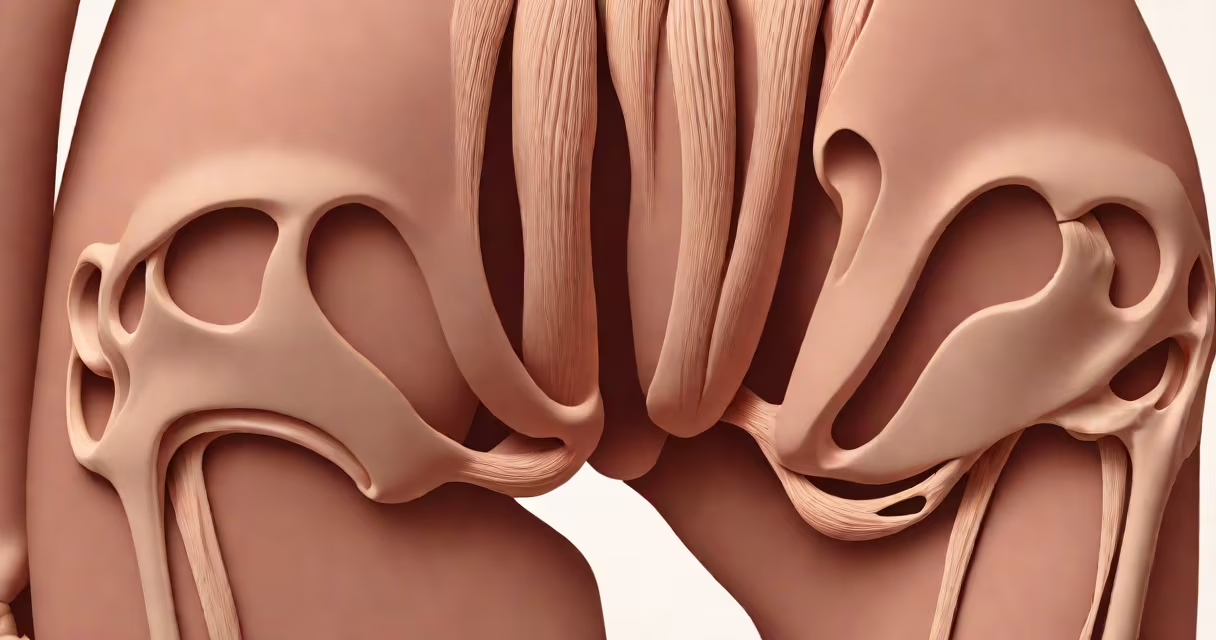
An iliacus muscle strain is a tear or overstretch of the iliacus, a deep hip flexor muscle originating in the pelvic cavity and attaching to the femur. It occurs from sudden movements, repetitive bending, or overuse during sports or daily activities.
The iliacus works with the psoas major to flex the hip, enabling walking, running, and lifting the leg. Strains typically result from abrupt force, such as sprinting from a standing start or twisting while bending forward. Pain usually appears suddenly and localizes to the upper inner thigh, groin, or front of the hip.
According to the American Academy of Orthopaedic Surgeons (AAOS), muscle strains account for nearly 30% of athletic injuries, with hip flexors like the iliacus frequently affected in runners, dancers, and athletes performing explosive motions. A 2021 study in the Journal of Sports Medicine found that iliacus strain was misdiagnosed as hip osteoarthritis in 18% of cases due to overlapping pain patterns.
The iliacus originates along the inner surface of the pelvis, specifically the iliac fossa. It travels downward through the pelvis and joins the psoas major tendon before inserting on the lesser trochanter of the femur. This anatomical path places it under tension during hip flexion, especially when the torso is upright and the leg moves forward.
Strains happen when the muscle is stretched beyond its capacity. A grade 1 strain involves minor tearing with mild pain and swelling. Grade 2 includes partial tearing, significant pain, and reduced function. Grade 3 is a complete rupture, rare but requiring surgical repair.
A real-world example: a 32-year-old recreational soccer player reported sharp pain in the right groin during a sprint. MRI confirmed a grade 2 iliacus strain. He missed two weeks of activity and returned to play after physical therapy focused on core stability and controlled hip flexion exercises.
Strains are classified by severity:
| Grade | Symptoms | Recovery Time | Common Triggers |
|---|---|---|---|
| 1 | Mild pain, slight swelling, minimal strength loss | 1-2 weeks | Overuse, stretching too far |
| 2 | Sharp pain, bruising, difficulty walking | 3-6 weeks | Sudden movement, sprinting, twisting |
| 3 | Severe pain, visible deformity, inability to move leg | 6+ months with surgery | Trauma, fall, collision |
Common causes include improper warm-ups, weak core muscles, and poor posture during prolonged sitting. Repetitive hip flexion-such as cycling, rowing, or desk work-increases risk. The iliacus is particularly vulnerable because it's deep and surrounded by other muscles, making early detection difficult.
One non-obvious fact: the iliacus can refer pain to the lower back and even mimic sciatica. A 2019 study in Clinical Biomechanics showed that 27% of patients with persistent low back pain had undiagnosed iliacus tightness contributing to nerve compression.
Iliacus muscle strain is most common in individuals who perform changing hip movements. Athletes in track, football, martial arts, and ballet are at higher risk. Office workers who sit for long periods develop chronic tightness, increasing strain likelihood during sudden motion.
It's frequently mistaken for groin pull, hip labral tear, or even referred pain from kidney issues. The iliacus lies near the inguinal canal, so pain can radiate into the scrotum or labia, leading to confusion with hernias or gynecological conditions.
During a physical exam, doctors assess hip flexion strength and resistance to movement. Imaging like MRI or ultrasound confirms the diagnosis. Ultrasound is preferred for initial assessment due to cost and real-time visualization of muscle integrity.
People often confuse iliacus strain with psoas syndrome, which involves inflammation or irritation of the psoas tendon. While both affect hip flexion, psoas syndrome typically presents with a clicking sensation and pain during prolonged sitting, not acute trauma.
Another frequent error: assuming rest alone heals the injury. Complete immobilization worsens muscle atrophy. The American Physical Therapy Association recommends early mobilization within 72 hours of injury to prevent stiffness and promote healing.
For example, a 45-year-old office worker developed groin pain after lifting boxes. He assumed it was a pulled groin and rested for five days. Pain worsened. An MRI revealed a grade 1 iliacus strain. After starting gentle stretching and core activation exercises, he regained full mobility in three weeks.
Recovery from iliacus muscle strain depends on accurate diagnosis. Delayed treatment increases risk of chronic pain or compensatory movement patterns that strain other joints.
Understanding the iliacus muscle strain enables faster recovery and better prevention. Recognizing its unique location, symptoms, and response to treatment separates it from similar conditions. Accurate identification leads to effective care and return to activity.