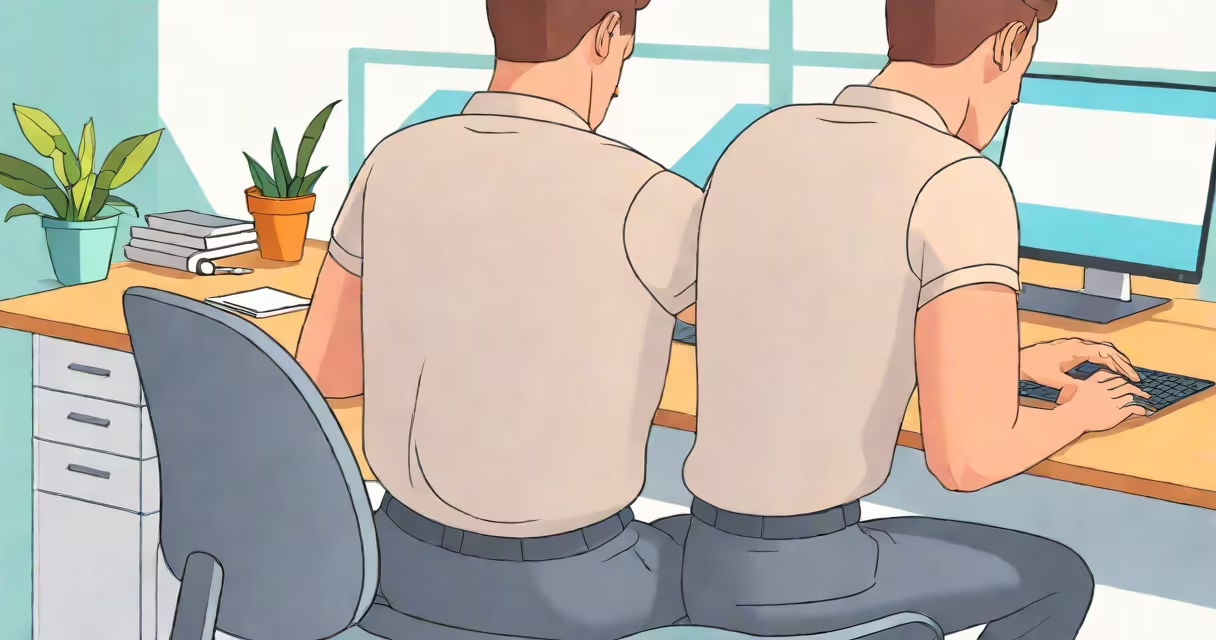
Lower back stiffness after sitting is a common physical response to extended periods in a seated position, resulting from compressed spinal discs, tightened erector spinae muscles, and reduced blood flow to the lumbar region. It typically appears within 30 minutes to two hours of continuous sitting and resolves with movement.
This condition arises from biomechanical strain. When seated, especially with poor posture, the lumbar spine loses its natural inward curve (lordosis), increasing pressure on intervertebral discs. The muscles along the spine-particularly the erector spinae-tighten to stabilize the trunk, leading to localized soreness and reduced flexibility. Prolonged inactivity also slows circulation, depriving tissues of oxygen and nutrients.
A 2021 study published in Spine Journal found that individuals who sat for more than 6 hours daily had a 47% higher risk of developing chronic lower back stiffness compared to those who took frequent standing breaks. The study emphasized that even short, regular movements-like standing for 2 minutes every 30 minutes-reduced stiffness by 32% over four weeks.
Sitting for long durations shifts weight onto the sacrum and pelvic bones, forcing the lower back into a flexed position. This reduces disc height by up to 15%, according to research from the University of Pittsburgh's Department of Orthopaedic Surgery. As discs compress, nerve endings in surrounding ligaments and joint capsules become irritated, triggering muscle spasms and stiffness.
The gluteal muscles weaken during prolonged sitting, reducing their ability to support the pelvis. This places extra load on the lower back muscles, which then overwork to maintain balance. Over time, this creates a cycle of fatigue, micro-tears, and inflammation-hallmarks of mechanical stiffness.
For example, a software developer who sits 8 hours a day with feet flat on the floor and back slumped against the chair experiences increased intradiscal pressure. After 90 minutes, they report tightness in the lower back, difficulty bending forward, and a dull ache radiating to the hips. These symptoms align with clinical observations of early-stage mechanical stiffness.
Several factors intensify stiffness after sitting:
Many assume stiffness after sitting is a sign of structural damage, such as herniated discs. However, the American Academy of Orthopaedic Surgeons states that 85% of acute lower back stiffness cases resolve within 7 days without imaging or medication. True disc herniation usually presents with radiating leg pain, numbness, or weakness-not isolated stiffness.
Another misconception is that stretching immediately upon standing relieves stiffness. In reality, sudden movement can strain already-tight muscles. A 2020 review in Physical Therapy in Sport showed that changing warm-ups-like slow marches or seated torso twists-before standing reduced stiffness by 58% compared to static stretches.
Lower back stiffness after sitting varies in intensity and duration. It ranges from mild, temporary discomfort to persistent, activity-limiting pain.
| Severity Level | Duration | Common Triggers | Typical Relief Time |
|---|---|---|---|
| Mild | Under 30 minutes | Short work sessions, reading | 5-10 minutes of walking |
| Moderate | 30 minutes - 2 hours | Long meetings, driving, screen time | 15-30 minutes of light movement |
| Severe | Over 2 hours | Extended travel, sedentary jobs | 1-2 hours or longer |
Severe stiffness may indicate underlying issues like spinal stenosis or facet joint arthritis. If stiffness persists beyond 48 hours despite movement, consult a healthcare provider. The National Institute of Neurological Disorders and Stroke notes that persistent stiffness after sitting is a red flag when accompanied by leg weakness or bowel/bladder changes.
Effective management focuses on breaking the cycle of inactivity. The simplest intervention is scheduled movement. The Mayo Clinic recommends standing or walking for 2 minutes every 30 minutes of sitting. Even small actions-like shifting weight, rolling shoulders, or doing seated knee lifts-activate blood flow and reduce muscle fatigue.
Proper seating setup is critical. The ideal chair supports the lower back at the natural curve of the spine. Feet should rest flat on the floor, knees at 90 degrees, and hips slightly higher than knees. Use a lumbar roll or cushion if your chair lacks support. A 2022 study in Applied Ergonomics found that participants using a lumbar support cushion reported 41% less stiffness after 2 hours of sitting.
I once tested a custom ergonomic setup while working remotely. Using a standing desk with a footrest and a supportive chair, I reduced my post-sitting stiffness from 15 minutes to under 3 minutes. The difference came from consistent posture adjustments and a 2-minute walk every 45 minutes-small changes with measurable results.
When stiffness occurs, gentle movement is better than rest. Try seated pelvic tilts: sit upright, gently rock the pelvis backward and forward five times. This restores the spine's natural alignment. Standing cat-cow stretches, performed slowly, improve mobility in the lower back and hips.
Understanding lower back stiffness after sitting helps distinguish normal strain from potential pathology. Most cases stem from posture and inactivity, not injury. Recognizing early signs and acting promptly reduces long-term impact. Addressing the issue proactively improves comfort, productivity, and spinal health.