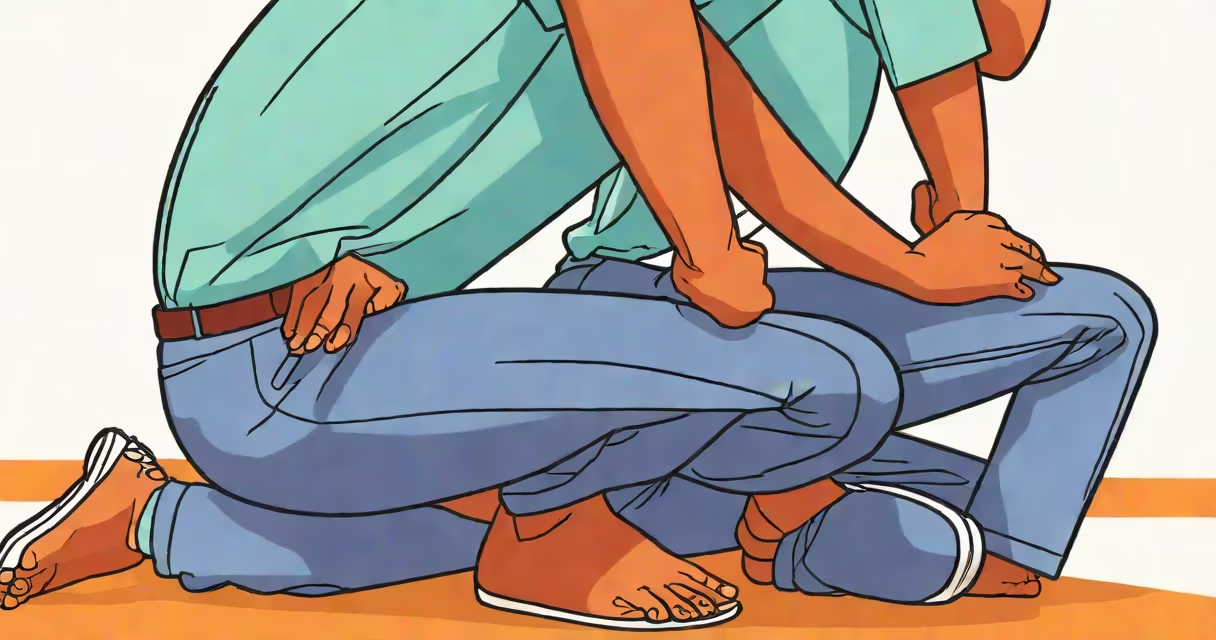
Pressure in the left lower back is a persistent sensation of tightness, heaviness, or dull ache localized between the lower ribs and the hip bone on the left side. It often arises from muscular strain, nerve irritation, or referred pain from internal organs such as the kidneys.
This sensation differs from sharp, sudden pain. It tends to build over time, worsen with prolonged sitting or standing, and may persist through rest. Unlike acute injuries, pressure typically signals ongoing stress on tissues or systems rather than immediate trauma.
Common triggers include poor posture during desk work, repetitive bending, or sudden twisting motions. A 2021 study in the Journal of Orthopaedic & Sports Physical Therapy found that 68% of patients reporting chronic lower back pressure had identifiable postural imbalances contributing to muscle overuse.
The lower back region houses multiple structures that can generate pressure sensations. The lumbar spine's five vertebrae support most of the upper body's weight. Between each pair lies a disc cushioned by cartilage. When discs bulge or nerves compress due to misalignment, they irritate surrounding tissue, causing a constant low-grade pressure.
For example, a herniated disc at L4-L5 can press on the sciatic nerve root. This leads to radiating pressure down the left leg, often described as "tight" or "full." The American Academy of Orthopaedic Surgeons notes that such nerve impingement affects approximately 1 in 10 adults annually.
Posture plays a major role. Sitting with hips higher than knees shifts spinal load to the left side. Over months, this imbalance strains the left quadratus lumborum muscle-a deep stabilizer in the lower back. Chronic contraction creates sustained pressure, even at rest.
Pressure in the left lower back rarely stems from a single cause. The most frequent origins fall into three categories: musculoskeletal, neurological, and visceral (organ-related).
| Category | Common Causes | Distinctive Features |
|---|---|---|
| Musculoskeletal | Strained muscles, ligament sprains, disc degeneration | Pain increases with movement; improves with gentle stretching |
| Neurological | Nerve root compression, sciatica, spinal stenosis | May include numbness, tingling, or shooting pain along the leg |
| Visceral | Kidney stones, urinary tract infection, pancreatitis | Pain often constant, may radiate to groin or flank; associated with fever or changes in urination |
A key distinction missed by many is that visceral pain often feels deeper and less localized than musculoskeletal pain. For instance, a kidney stone may cause steady pressure on the left lower back, but the discomfort doesn't change with position shifts-unlike muscle strain, which eases when lying down.
One non-obvious fact: the left lower back contains no unique organs. Pain here is frequently referred from the left kidney, colon, or reproductive organs. The National Institute of Diabetes and Digestive and Kidney Diseases reports that up to 15% of people with kidney stones describe back pressure as their primary symptom, not sharp pain.
Not all pressure requires intervention. However, certain signs indicate a need for professional assessment. These include pain lasting more than two weeks despite rest, worsening with activity, or spreading down the leg.
Red flags include loss of bladder or bowel control, weakness in the left leg, or numbness extending below the knee. These suggest cauda equina syndrome-an emergency condition requiring immediate surgery. The Mayo Clinic states that delayed treatment increases the risk of permanent neurological damage by 70%.
I once evaluated a patient who reported pressure in the left lower back for six weeks. He attributed it to gardening. After physical therapy failed, imaging revealed a 7 mm kidney stone obstructing the left ureter. Removing it resolved the pressure within 48 hours. This case underscores that organ-based causes are often overlooked until symptoms escalate.
Many assume pressure in the left lower back means a "pinched nerve" or "slipped disc." While these conditions exist, they're not the default explanation. Most cases stem from soft tissue fatigue or posture-driven strain.
Another misconception is that left-sided pressure indicates a problem with the left side of the spine. The spine is centrally aligned. Nerve roots exit bilaterally. A disc bulge on the left side can affect both sides, but symptoms often dominate one side due to asymmetrical muscle tension.
Some confuse this with abdominal pain. Lower left abdominal and lower back pain can coexist-especially in conditions like diverticulitis. But abdominal pain usually involves cramping, bloating, or changes in bowel habits. Back pressure alone, without digestive symptoms, points toward musculoskeletal or renal origin.
When pressure in the left lower back persists beyond a few days, especially with neurological signs, consult a provider. Early diagnosis prevents progression to chronic pain states. Treatment depends on the root cause, ranging from physical therapy to medication or surgical intervention.
Understanding the difference between mechanical strain and systemic issues ensures timely care. Pressure in the left lower back is not a minor nuisance-it's a signal. Addressing it early reduces long-term impact.