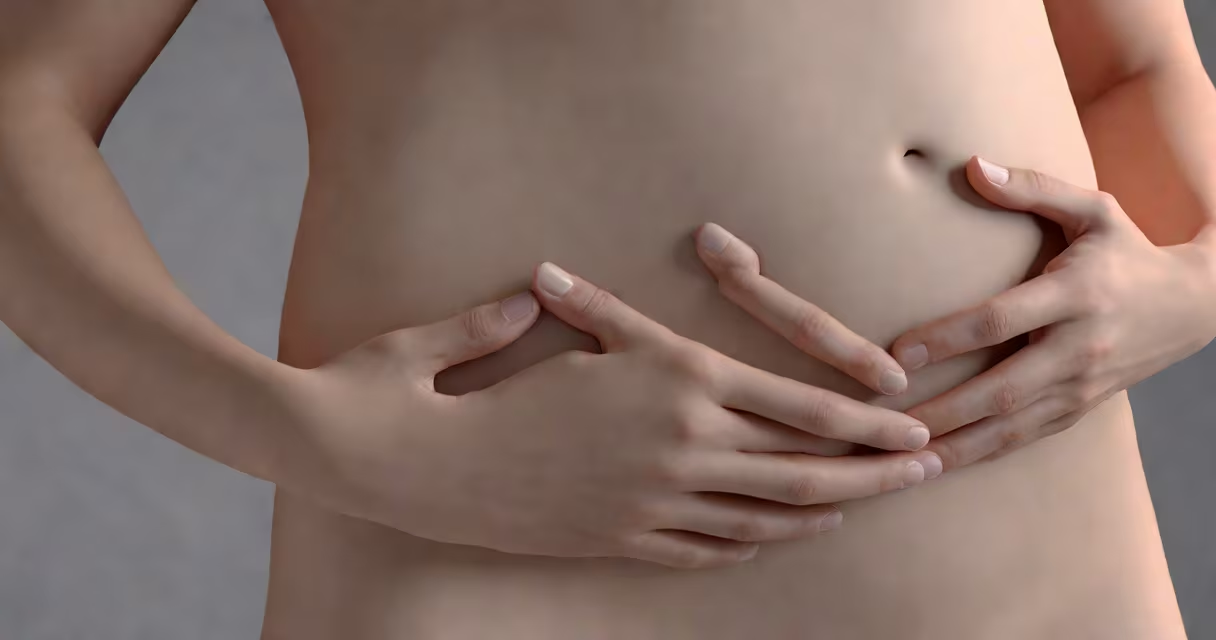
Sound in stomach and gas describes audible intestinal noises and physical sensations like bloating or pressure caused by air or gas moving through the digestive system. These sounds-often described as gurgling, rumbling, or bubbling-are normal signs of digestion, especially during or after eating. Gas buildup can result from swallowed air, bacterial fermentation of undigested food, or underlying gastrointestinal conditions.
Intestinal sounds occur when muscles in the walls of the small and large intestines contract to push food, fluid, and gas through the tract. These contractions create pressure changes that produce noise. The sound is amplified when the gut is empty or when gas moves rapidly through the digestive system. Gas itself can be produced by bacteria in the colon breaking down carbohydrates, or ingested during eating, drinking, or breathing.
While occasional gurgling and mild bloating are common and usually harmless, persistent or painful gas may signal an issue such as irritable bowel syndrome (IBS), lactose intolerance, or small intestinal bacterial overgrowth (SIBO). The American Gastroenterological Association notes that up to 15% of adults report frequent gas-related symptoms, though most cases are functional rather than due to structural disease.
The digestive process involves rhythmic muscle contractions called peristalsis. As these waves move food and gas through the intestines, they compress and release air pockets, creating audible gurgles. This is known medically as borborygmi-Greek for "rumbling." The noise is loudest when the stomach and intestines are empty, as there's less material to dampen sound transmission.
Gas enters the digestive tract in several ways. Swallowing air while eating quickly, chewing gum, or drinking carbonated beverages introduces air into the stomach. Once in the stomach, some air passes into the small intestine. Bacteria in the colon ferment undigested carbohydrates-such as fiber, lactose, fructose, and certain starches-producing gases like hydrogen, methane, and carbon dioxide. These gases accumulate and cause distension, which may lead to cramping or pressure.
A study published in *Gut* journal found that individuals with IBS had higher levels of colonic gas volume compared to healthy controls, suggesting that altered gut motility and microbial activity contribute to both sound and discomfort. The presence of gas is not inherently harmful-it's a natural byproduct of digestion-but excessive amounts can stretch the intestinal wall, triggering pain receptors.
Not all gas is created equal. The composition and origin of gas influence both sound and symptoms. For example:
| Type | Source | Characteristics |
|---|---|---|
| Swallowed air (aerophagia) | Chewing gum, talking while eating, carbonated drinks | Primarily nitrogen and oxygen; often exits via burping; contributes to upper abdominal gurgling |
| Colonic fermentation | Undigested carbs like beans, onions, wheat, dairy | Produces hydrogen, methane, CO₂; leads to lower abdominal bloating and audible passage of gas |
| Bacterial overgrowth (SIBO) | Excess microbes in small intestine | Can cause excessive gas, diarrhea, weight loss; often linked to chronic bloating and loud intestinal sounds |
One non-obvious fact: the smell of gas is not determined by the volume but by the specific gases produced. Hydrogen sulfide-a compound formed when sulfur-rich foods like eggs, cruciferous vegetables, or red meat are digested-causes foul-smelling flatulence. A 2021 study in *The Journal of Clinical Gastroenterology* found that people who consumed high-sulfur diets reported more socially disruptive gas, even if total gas volume was unchanged.
Sound in stomach and gas becomes concerning when it's accompanied by pain, frequent diarrhea, constipation, unexplained weight loss, or blood in stool. These signs may indicate inflammatory bowel disease (IBD), celiac disease, or colorectal cancer. The National Institute of Diabetes and Digestive and Kidney Diseases (NIDDK) recommends evaluation if gas symptoms persist beyond four weeks or disrupt daily life.
Some people mistake frequent belching or passing gas for heartburn or acid reflux. However, gas pressure in the stomach differs from acid-induced burning. While acid reflux causes a burning sensation behind the breastbone, gas pressure typically results in a tight, bloated feeling in the upper or middle abdomen. If you feel pressure that eases after burping or passing gas, it's likely gas-related.
I once observed a patient in a clinic whose complaints of constant gurgling and bloating were dismissed as anxiety. After a breath test confirmed SIBO, treatment with rifaximin reduced her symptoms by 80% within six weeks. This case illustrates how easily gas-related issues are misattributed-especially when psychological factors overlap.
Dietary adjustments are the first-line approach. Reducing intake of FODMAPs-fermentable oligosaccharides, disaccharides, monosaccharides, and polyols-can reduce gas production. Foods high in FODMAPs include apples, garlic, onions, wheat, and milk. A low-FODMAP diet has been shown in multiple randomized trials to improve gas and bloating in 70% of IBS patients, according to research published in *Alimentary Pharmacology & Therapeutics*.
Over-the-counter remedies like simethicone (e.g., Gas-X) work by breaking up gas bubbles, reducing bloating and discomfort. Probiotics containing *Bifidobacterium* and *Lactobacillus* strains have demonstrated modest benefits in reducing gas frequency in clinical trials. For example, a 2020 double-blind study found that participants taking *L. rhamnosus* experienced a 35% reduction in gas-related symptoms over eight weeks.
Simple behavioral changes can make a difference. Eating slowly reduces swallowed air. Avoiding straws, hard candies, and carbonated drinks minimizes air intake. Regular walking after meals aids gas transit. For those with recurrent issues, tracking food and symptoms in a diary helps identify patterns.