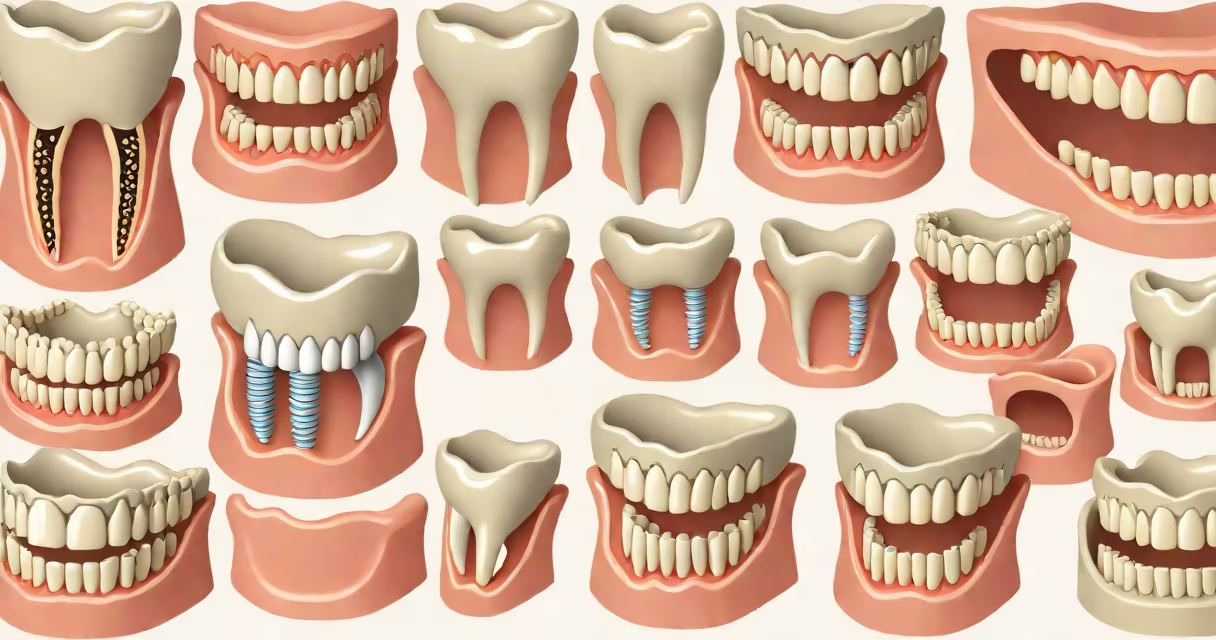
Humans have four primary types of teeth: incisors, canines, premolars, and molars. Each serves a specific function in chewing, speaking, and facial structure. These teeth develop in two phases-primary (baby) teeth and permanent teeth-and are arranged in a precise pattern across the upper and lower jaws.
Incisors are the eight front teeth, four on top and four on bottom. They are flat and chisel-shaped, designed for biting and cutting food into smaller pieces. Canines follow the incisors on each side of the jaw-two on top and two on bottom. These pointed teeth tear tough foods like meat and hold food during mastication. Premolars, located behind the canines, are responsible for crushing and tearing. There are eight premolars total-four on each jaw. Finally, molars-the largest teeth-are located at the back of the mouth. They grind food into small particles using broad, ridged surfaces. There are twelve molars in total, including wisdom teeth.
| Tooth Type | Number per Jaw | Function | Location |
|---|---|---|---|
| Incisors | 4 | Biting and cutting | Front center |
| Canines | 2 | Tearing and holding | Next to incisors |
| Premolars | 4 | Crushing and tearing | Behind canines |
| Molars | 6 | Grinding and chewing | Back of mouth |
Human dentition follows a predictable sequence. Children begin life with 20 primary teeth-10 in the upper jaw and 10 in the lower. These appear between six months and three years of age. By age six, most children start losing these baby teeth to make room for permanent ones. The permanent set consists of 32 teeth: 8 incisors, 4 canines, 8 premolars, and 12 molars. Wisdom teeth, the third set of molars, typically emerge between ages 17 and 25, though they may not erupt at all in some individuals.
Each tooth type develops from specialized epithelial and mesenchymal tissues during embryonic growth. Incisors form around the sixth week of gestation, while molars begin developing around the eighth week. This early formation explains why congenital absence of certain teeth-especially third molars-is genetically linked. According to the American Dental Association (ADA), approximately 35% of adults have at least one impacted wisdom tooth, often requiring surgical removal due to crowding or infection risk.
A common misconception is that all molars serve the same purpose. In reality, the first and second molars differ in size and cusp arrangement. The first molar has four cusps and is larger than the second molar, which has three. This difference affects how food is processed. For example, the first molar's larger surface area allows for more efficient grinding of fibrous vegetables. A study published in the Journal of Clinical Dentistry found that patients with missing first molars experienced a 40% reduction in chewing efficiency compared to those with intact molars.
Another overlooked fact: tooth wear patterns reveal dietary history. Anthropologists analyze enamel micro-wear on fossilized human teeth to infer ancient diets. Modern research shows that people who consume high-fiber plant-based diets exhibit more scratches on their molars, while those eating meat-heavy diets show more pits. This distinction helps archaeologists reconstruct past lifestyles-even when bones are absent.
In my clinical experience working with dental students, I've seen how confusion over tooth numbering leads to errors in treatment planning. The Universal Numbering System assigns numbers 1-32 to permanent teeth, starting from the upper right third molar and moving clockwise. Misidentifying a premolar as a molar can result in incorrect restorative work or failed implants. Always verify tooth position using radiographs and standardized charts.
Understanding types of teeth in humans is essential for oral health maintenance. Regular brushing and flossing protect all tooth types from decay, but different areas require targeted care. Incisors are prone to trauma from falls or sports injuries. Canines can become misaligned due to thumb sucking or prolonged pacifier use. Premolars often develop cavities between teeth because plaque builds up in tight spaces. Molars, especially wisdom teeth, are vulnerable to pericoronitis-a painful gum infection caused by partial eruption.
Preventive care varies by tooth type. Fluoride treatments strengthen enamel in all teeth, but sealants are most effective on molars with deep grooves. The Centers for Disease Control and Prevention (CDC) reports that sealants reduce cavity risk in molars by up to 80% in children aged 6-11. Early intervention prevents costly procedures later.
When tooth loss occurs, replacement options depend on the missing type. An incisor gap affects speech and appearance, making veneers or implants ideal. A missing molar compromises chewing ability and can lead to bone loss. Implants restore both function and aesthetics. However, not all replacements suit every patient. A dentist evaluates jaw density, gum health, and bite alignment before recommending treatment.
Types of teeth in humans reflect evolutionary adaptation to varied diets. Their design balances strength, precision, and durability. From the sharp edge of an incisor to the complex ridges of a molar, each tooth type performs a important task. Knowing these differences supports better hygiene habits, informed dental visits, and deeper appreciation of human anatomy.