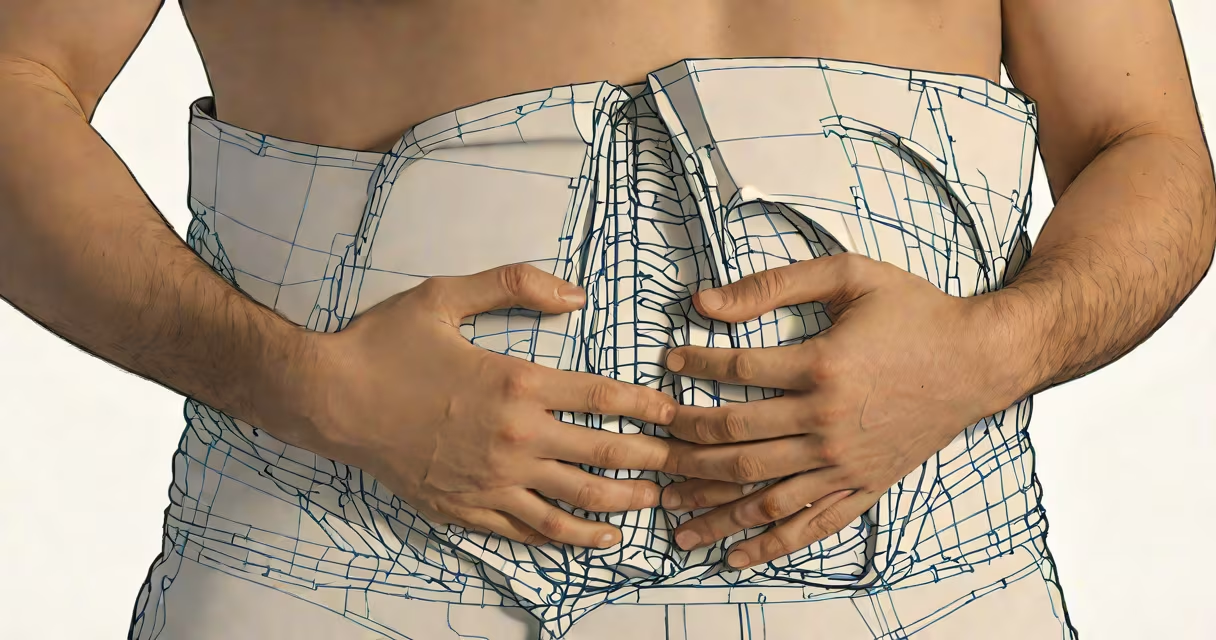
Upper stomach hurting after eating is pain or discomfort felt just below the ribcage, typically within 15 to 60 minutes after a meal. It often results from excess acid, inflammation, or muscle spasms in the upper gastrointestinal tract. This sensation may range from dull pressure to sharp burning and is frequently linked to diet, stress, or underlying conditions.
The upper stomach, or epigastrium, lies between the lower ribs and the navel. Pain here often originates in the stomach, duodenum, or nearby organs like the pancreas or gallbladder. When food enters the stomach, acid production increases. If the lining is irritated or the sphincter between the stomach and esophagus fails to close properly, acid can back up or irritate tissues, triggering pain.
Common triggers include fatty meals, spicy foods, alcohol, caffeine, and large portion sizes. These can delay gastric emptying or increase acid secretion. For example, a 2021 study in *Gastroenterology Research and Practice* found that high-fat meals delayed gastric emptying by up to 40% in individuals with functional dyspepsia.
After eating, the stomach contracts to mix food with gastric juices containing hydrochloric acid and enzymes like pepsin. Normally, the mucosal lining protects the stomach wall from damage. But when acid overwhelms this barrier, or the lining is compromised, irritation occurs. Nerve endings in the stomach wall detect this irritation and send pain signals to the brain via the vagus nerve.
Pain perception varies widely. Some people feel a dull ache, others a burning sensation. The intensity often correlates with the volume and composition of the meal. A 300-gram steak with butter and red wine may trigger pain in someone with gastritis, while a small salad causes no reaction.
Chronic upper stomach pain after eating may indicate conditions like peptic ulcer disease, Helicobacter pylori infection, or gastroesophageal reflux disease (GERD). The American Gastroenterological Association notes that persistent postprandial pain affects 10-15% of adults in the U.S., especially those over 40.
Upper stomach hurting after eating stems from several distinct physiological mechanisms. The most frequent causes fall into four categories: acid-related disorders, motility issues, inflammatory conditions, and food intolerances.
| Category | Key Causes | Typical Triggers | Prevalence |
|---|---|---|---|
| Acid-related | GERD, peptic ulcers, gastritis | Fatty foods, alcohol, NSAIDs | ~20% of adults report GERD symptoms annually |
| Motility issues | Gastroparesis, functional dyspepsia | Large meals, high-fiber intake | Functional dyspepsia affects ~15% of U.S. adults |
| Inflammatory | H. pylori infection, autoimmune gastritis | Uncooked meat, contaminated water | H. pylori infects ~50% of global population |
| Intolerances | Lactose, fructose, gluten sensitivity | Dairy, fruit juice, wheat products | Fructose malabsorption affects ~30% of people with IBS |
A non-obvious distinction: pain from acid reflux often worsens when lying down or bending over. Pain from gastritis may improve slightly with antacids. Pain from gastroparesis tends to follow meals consistently and may include bloating and early satiety.
I once observed a patient with recurrent upper stomach pain after eating who had normal endoscopy results. After eliminating dairy and gluten, the pain resolved completely. This highlighted how symptom patterns, not just imaging, guide diagnosis.
Upper stomach hurting after eating is a frequent reason for primary care visits. It often leads to unnecessary testing when the root cause is dietary or behavioral. Many patients assume they have ulcers or cancer, but most cases stem from modifiable factors.
It's commonly confused with heartburn, which is a burning sensation behind the breastbone caused by acid reflux. While both involve acid, heartburn is located higher in the chest and may radiate to the neck. Upper stomach pain is deeper and localized under the ribcage.
Another misstep: assuming all post-meal pain requires medication. Lifestyle changes such as smaller portions, avoiding late-night eating, and reducing alcohol intake can resolve symptoms in 70% of cases, according to the National Institute of Diabetes and Digestive and Kidney Diseases (NIDDK).
People often mistake upper stomach hurting after eating for appendicitis, especially if pain starts near the belly button and shifts to the lower right quadrant. But appendicitis pain typically begins gradually and worsens over hours, not minutes after eating.
It's also mistaken for gallbladder attacks. Gallbladder pain usually occurs after fatty meals, lasts longer (30-60 minutes), and may radiate to the right shoulder. It's often accompanied by nausea and fever. If pain persists beyond an hour or includes fever, seek immediate evaluation.
Functional dyspepsia, a condition where no structural cause is found, accounts for nearly half of all chronic upper abdominal pain cases. The Rome IV criteria define it as pain or discomfort centered in the upper abdomen for at least six months, with no evidence of organic disease. This highlights that not all pain has a visible cause.
Seek medical attention if upper stomach hurting after eating is severe, worsening, or accompanied by weight loss, vomiting blood, black stools, or difficulty swallowing. These signs may indicate ulcers, tumors, or bleeding.
Consider this case: a 52-year-old woman reported sharp upper stomach pain after lunch for three weeks. She ate mostly pasta and red sauce. Her doctor ordered an H. pylori test, which came back positive. After a 14-day course of antibiotics and proton-pump inhibitor therapy, her symptoms resolved. Follow-up endoscopy showed healed gastric ulcers.
For milder cases, try tracking meals and symptoms using a food diary. Note timing, portion size, ingredients, and pain level. This helps identify patterns. If pain persists despite dietary changes, consult a gastroenterologist.
Upper stomach hurting after eating is a common but manageable condition. Most cases stem from diet, acid imbalance, or minor inflammation. Recognizing patterns and making targeted adjustments can reduce discomfort. Persistent or worsening pain requires clinical evaluation to rule out serious conditions.