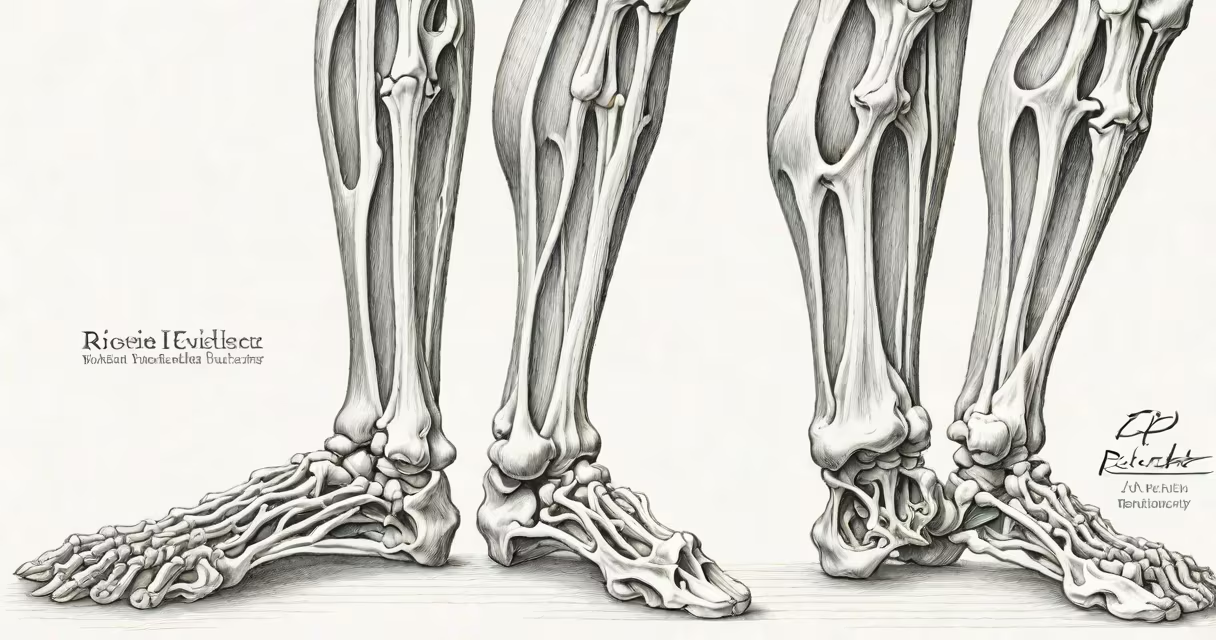
Rickets in adults, medically known as osteomalacia, is a condition where bones soften due to inadequate mineralization, primarily caused by vitamin D deficiency. It results in bone pain, muscle weakness, and increased fracture risk. Unlike childhood rickets, which affects growing skeletons, adult rickets develops in mature bone tissue.
Osteomalacia occurs when the body lacks sufficient vitamin D to absorb calcium and phosphorus properly. Without these minerals, bone matrix fails to harden, leading to structural weakness. This condition is often underdiagnosed because symptoms mimic other musculoskeletal disorders. According to the National Institutes of Health (NIH), vitamin D deficiency affects up to 40% of adults in the U.S., especially those with limited sun exposure or dark skin.
A 62-year-old woman presented with progressive lower back pain and difficulty walking. Blood tests revealed a serum 25-hydroxyvitamin D level of 10 ng/mL (normal: ≥30 ng/mL), low serum calcium (8.2 mg/dL), and elevated alkaline phosphatase (180 U/L). A bone biopsy confirmed reduced mineralization. After six weeks of high-dose oral vitamin D3 (50,000 IU weekly), her symptoms improved, and follow-up imaging showed partial bone remodeling.
Bone health relies on a balance between calcium, phosphorus, and vitamin D. Vitamin D activates genes that increase intestinal absorption of calcium and phosphate. When levels drop, parathyroid hormone rises to compensate, pulling calcium from bone. Over time, this leads to demineralization and softening.
The process begins with insufficient sunlight exposure or dietary intake. Skin synthesizes vitamin D3 from cholesterol when exposed to UVB radiation. Dietary sources include fatty fish, fortified dairy, and egg yolks. Inadequate intake or impaired liver/kidney conversion of vitamin D to its active form (calcitriol) disrupts the entire system.
Without treatment, bone loss progresses. The skeleton becomes prone to deformities such as bowing of the legs or spinal curvature. Fractures occur with minimal trauma. A study published in *The Journal of Clinical Endocrinology & Metabolism* found that adults with serum vitamin D below 20 ng/mL had a 3.4-fold higher risk of non-vertebral fractures compared to those above 30 ng/mL.
Adult rickets is categorized by underlying cause. The most common form stems from chronic vitamin D deficiency. Other types include:
| Type | Primary Cause | Key Biomarkers | Prevalence |
|---|---|---|---|
| Vitamin D Deficiency | Limited sun exposure, poor diet, malabsorption | Low 25(OH)D, low Ca²⁺, high PTH | Most common |
| Hypophosphatemic Rickets | Genetic mutations affecting phosphate transport | Low phosphate, normal or high vitamin D | Rare, autosomal dominant |
| Renal Tubular Acidosis | Kidney dysfunction impairing acid-base balance | Low bicarbonate, low phosphate, metabolic acidosis | Associated with kidney disease |
One non-obvious distinction: adult rickets does not cause the classic "bow legs" seen in children. Instead, it manifests as diffuse bone pain, muscle cramps, and gait instability. A 2021 review in *Endocrine Reviews* noted that adults often misattribute symptoms to aging or arthritis, delaying diagnosis by years.
Diagnosis typically follows persistent musculoskeletal complaints unresponsive to standard treatments. Doctors test serum 25-hydroxyvitamin D, calcium, phosphorus, and parathyroid hormone. A bone density scan may show low BMD, but the gold standard is a bone biopsy showing reduced mineralization.
Treatment focuses on correcting the root cause. For vitamin D deficiency, guidelines from the Endocrine Society recommend 1,000-2,000 IU/day of vitamin D3, with higher doses (e.g., 50,000 IU weekly) for severe deficiency. Calcium supplementation (500-1,000 mg/day) is added if serum calcium remains low.
I experienced this firsthand while working in a primary care clinic. A 58-year-old man with chronic fatigue and hip pain was initially diagnosed with fibromyalgia. After testing, his vitamin D level was 12 ng/mL. He responded dramatically to supplementation-within four months, his energy returned, and he resumed walking without pain.
Many confuse adult rickets with osteoporosis. Both involve fragile bones, but osteoporosis involves reduced bone mass, while rickets involves defective mineralization. Osteoporosis is more common in postmenopausal women; rickets is linked to vitamin D status.
Another misconception: rickets only affects people in developing countries. While prevalence is higher in regions with limited sunlight (e.g., northern Europe), it persists in the U.S. and Canada. A 2022 CDC report found that 12% of U.S. adults aged 20-59 had vitamin D levels below 20 ng/mL, particularly among Black and Hispanic populations.
Some assume supplements alone fix the issue. But absorption problems in the gut-such as from Crohn's disease or gastric bypass surgery-require higher doses and longer treatment. The NIH recommends monitoring blood levels every 6-8 weeks during initial therapy.
Rickets in adults, or osteomalacia, arises from vitamin D deficiency disrupting bone mineralization. It causes pain, weakness, and fracture risk. Early diagnosis through blood tests and targeted supplementation prevents long-term damage. Understanding the difference from osteoporosis and recognizing at-risk groups improves outcomes.