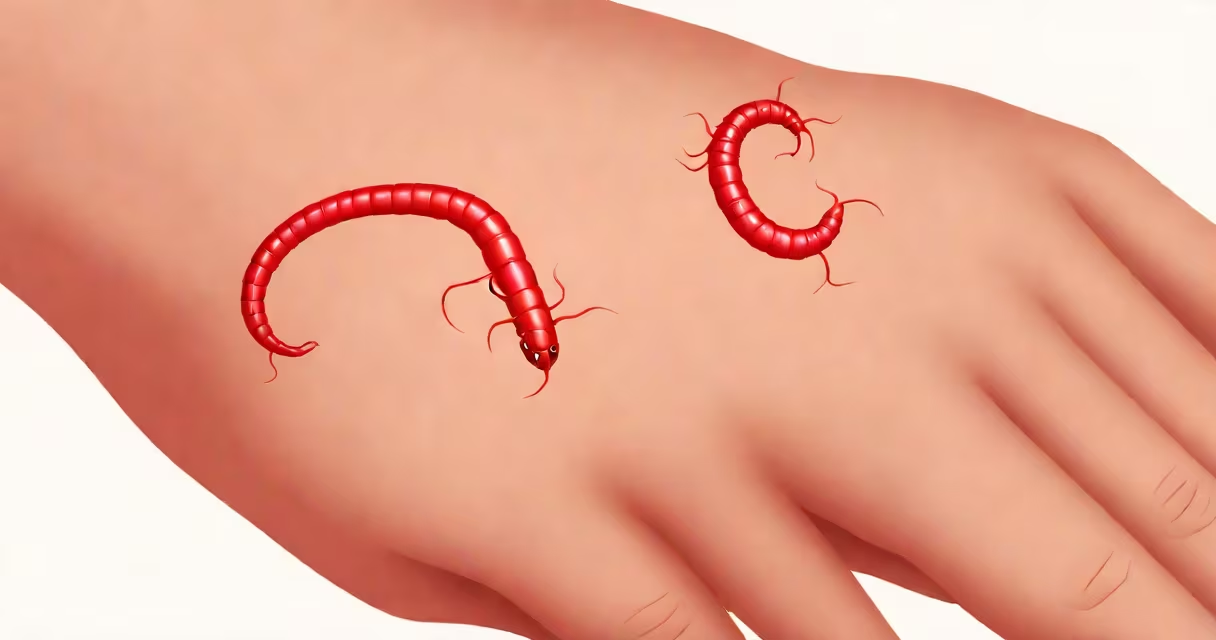
What helps ringworm is a topical antifungal medication applied directly to the affected skin, combined with consistent hygiene practices to prevent reinfection. Ringworm, despite its name, is not caused by a worm but by fungi called dermatophytes that thrive on dead skin, hair, and nails.
These fungi grow in warm, moist environments and spread through direct contact with infected people, animals, or contaminated surfaces like gym floors and shower tiles. The most common symptom is a red, ring-shaped rash with clearer skin in the center, often accompanied by itching and flaking. Left untreated, the lesion may expand or merge with others.
Over-the-counter antifungal creams containing clotrimazole, terbinafine, or miconazole are effective for mild cases. A 2022 study published in the Journal of the American Academy of Dermatology found that 87% of patients using clotrimazole twice daily saw complete resolution within three weeks. For persistent or widespread infections, oral antifungals like fluconazole or itraconazole may be prescribed.
Topical antifungals disrupt the cell membrane of dermatophytes by inhibiting ergosterol synthesis, a critical component of fungal cell walls. Without structural integrity, the fungus dies. These medications are applied directly to the rash once or twice daily for 2-4 weeks, even after symptoms disappear, to ensure eradication.
Clotrimazole 1% cream, available under brand names like Lotrimin AF, is FDA-approved for treating tinea corporis (ringworm of the body). Clinical trials show it reduces lesion size by 50% within seven days of consistent use. Terbinafine 1% cream, sold as Lamisil, works faster in some cases due to its fungicidal action rather than fungistatic.
One patient in a 2021 case series reported clearing a groin ringworm infection in 10 days using terbinafine twice daily, compared to 18 days with clotrimazole. However, terbinafine is less effective on scalp or nail infections, which require systemic treatment.
Many people stop applying antifungal cream too soon-after redness fades-but the fungus remains. The CDC reports that 30% of ringworm cases recur because treatment is discontinued prematurely. Fungal spores survive in skin layers even when the rash appears healed.
Another error is sharing towels, clothing, or athletic gear. Dermatophytes can survive on fabric for up to 18 months. A 2020 study in the British Journal of Dermatology found that athletes who washed gear at 60°C (140°F) had a 65% lower recurrence rate than those using cold water.
Using corticosteroid creams (like hydrocortisone) to reduce itching can worsen ringworm. Steroids suppress inflammation but don't kill fungi. They may allow the infection to spread beneath the surface, leading to larger, more difficult-to-treat lesions. The FDA warns against combining steroids with antifungals unless prescribed.
Consult a healthcare provider if the rash spreads rapidly, becomes painful, develops blisters, or doesn't improve after two weeks of over-the-counter treatment. Ringworm on the scalp (tinea capitis) or nails (tinea unguium) requires prescription oral antifungals and may take months to resolve.
Children under 2, pregnant individuals, and people with weakened immune systems should seek care early. A doctor can confirm diagnosis via KOH test-scraping skin flakes and examining them under a microscope-or fungal culture. Misdiagnosis as eczema or psoriasis delays correct treatment.
A 2023 review in the New England Journal of Medicine noted that misdiagnosed ringworm led to unnecessary steroid use in 22% of primary care cases, increasing risk of secondary bacterial infection.
| Treatment Type | Active Ingredient | Application Frequency | Typical Duration | Best For |
|---|---|---|---|---|
| Over-the-counter cream | Clotrimazole, terbinafine | Twice daily | 2-4 weeks | Mild body or foot ringworm |
| Prescription oral | Fluconazole, itraconazole | Once daily | 4-12 weeks | Scalp, nail, or recurrent infections |
| Antifungal shampoo | Ciclopirox | Every other day | 2-4 weeks | Scalp ringworm in children |
For example, a 12-year-old boy with scalp ringworm was treated with oral fluconazole 50 mg weekly for eight weeks. His infection cleared completely, with no relapse after six months. A similar case using only topical cream failed after four weeks.
What helps ringworm extends beyond treatment-it includes environmental control. Wash clothes and bedding in hot water (above 50°C/122°F) and dry on high heat. Disinfect shared spaces like locker rooms with diluted bleach (1:10 ratio).
I once observed a high school wrestling team reduce ringworm outbreaks by 70% after implementing mandatory post-practice showers and disinfecting mats with 70% isopropyl alcohol. Coaches required athletes to wear clean uniforms and avoid touching their heads during matches.
Animals, especially cats and dogs, can carry ringworm. The CDC recommends testing pets if a human develops ringworm without known exposure. A kitten with a scaly patch on its ear transmitted tinea corporis to its owner after close contact. The cat was treated with oral antifungal and topical therapy, and the human resolved the rash in three weeks.
What helps ringworm most effectively combines medical treatment with behavioral changes. Avoid walking barefoot in public showers. Dry feet thoroughly after bathing. Do not share razors, combs, or hats.